Food & recipe
Identify Fake Tea: Is Your Tea Fake? Here's How to Distinguish Between Authentic and Fake Tea Leaves at Home..
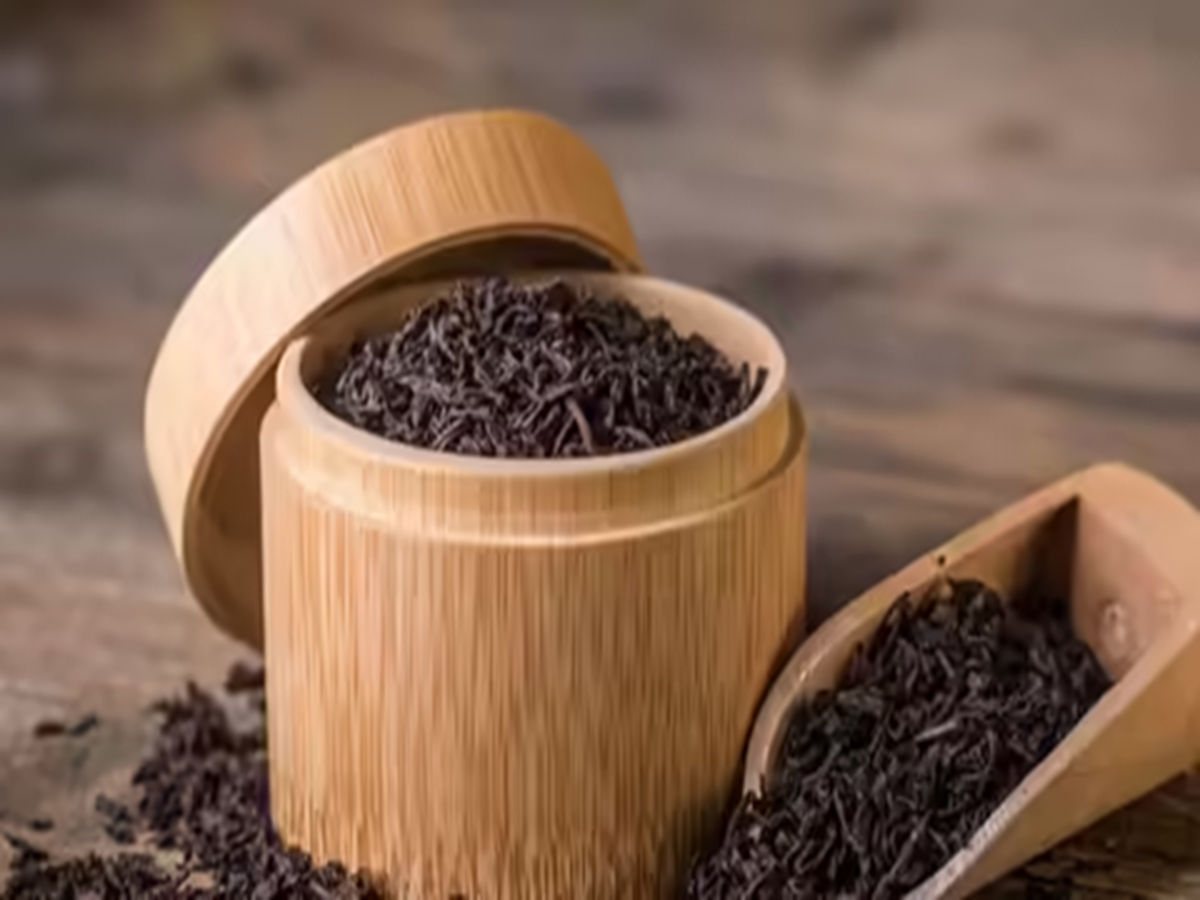
How to Identify Fake Tea: In India, tea is viewed as more than just a refreshing beverage; for many, it is an emotion. Here, the day—and indeed, relationships—often begin over a cup of tea. Consequently, news regarding the adulteration of tea leaves comes as a heartbreaking shock.

According to media reports, the Hyderabad Food Adulteration Surveillance Team (H-FAST) recently conducted raids across the city, seizing 3,000 kilograms of adulterated tea powder, 1,500 kilograms of expired tea powder, and other related materials. Although this incident originated in a specific part of the country, it is entirely possible that the racket of tea adulteration is operating in your city as well. Therefore, to safeguard yourself and your family, it is imperative that you immediately test the tea leaves currently stored in your kitchen using the methods outlined below. Identifying genuine tea leaves promptly can protect you from serious health risks.
The Food Safety and Standards Authority of India (FSSAI) has outlined several simple methods that allow you to verify the purity of your tea right at home.
**Water Test:** Add a teaspoon of tea leaves to a glass of water at room temperature. If the tea is pure, the color of the water will remain unchanged. However, if it is adulterated, the water may turn red or take on a different hue.
**Filter Paper Test:** Take a piece of filter paper and spread a layer of tea leaves over it. Sprinkle a little water to moisten the leaves, and then rinse the paper under running tap water. Now, hold the paper up to the light. If the tea is pure, no stains will be visible. Adulterated tea, however, will leave behind black or brown stains.
**Color Test:** For this test, you must first brew a cup of tea. Once prepared, observe its color. Genuine tea possesses a clear and bright hue, whereas adulterated tea may appear cloudy or exhibit an unnatural color.
**Solubility Test:** Place the tea leaves into water. Pure tea leaves do not dissolve completely; they merely swell up. Adulterated tea, however, may dissolve in the water, taking on a powdery consistency.
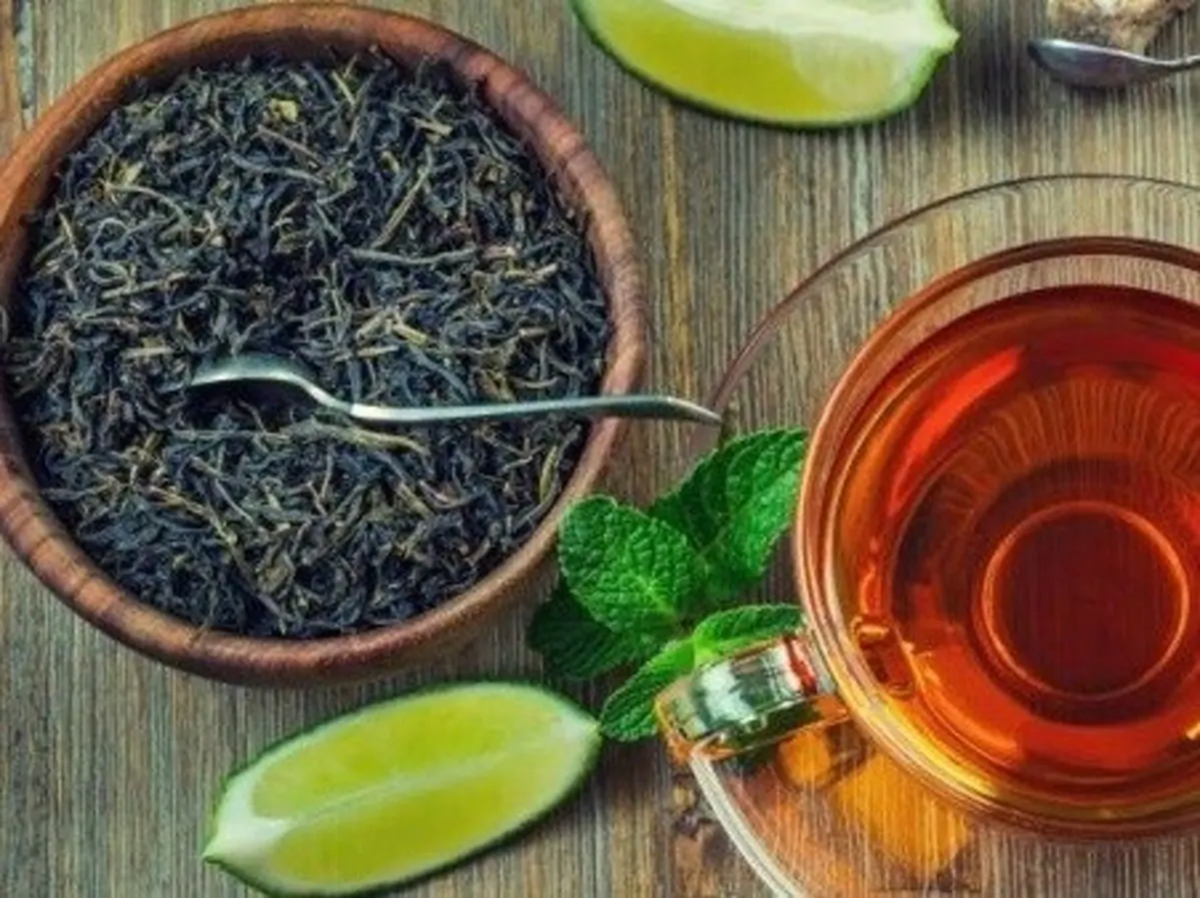
The Harmful Effects of Consuming Adulterated Tea
According to reports, while there are various standards in place to assess the quality of tea, adulteration remains prevalent in the market. The artificial colors and chemicals used in this process can pose serious health risks. Consumption of such tea may lead to elevated blood pressure (hypertension) and can cause damage to the liver and kidneys. Furthermore, it may contain pesticides and chemicals that, over the long term, can trigger cancer, hormonal imbalances, and neurological disorders. In some individuals, it may also trigger allergic reactions—such as itching, skin rashes, or, in severe cases, difficulty breathing. Therefore, it is crucial to exercise caution when purchasing and consuming tea.
PC Social Media