LIFESTYLE
Concern: Why are women at higher risk of blood deficiency? It's not just diet—other factors are also responsible..

Anemia—a deficiency of blood—is one of the most common yet serious health issues affecting women. Medical reports indicate that approximately 57% of women in India suffer from this condition. Since blood transports oxygen and nutrients to every part of the body, anemia can lead to symptoms such as shortness of breath after minimal exertion, dizziness, weakness, or severe fatigue while performing tasks.
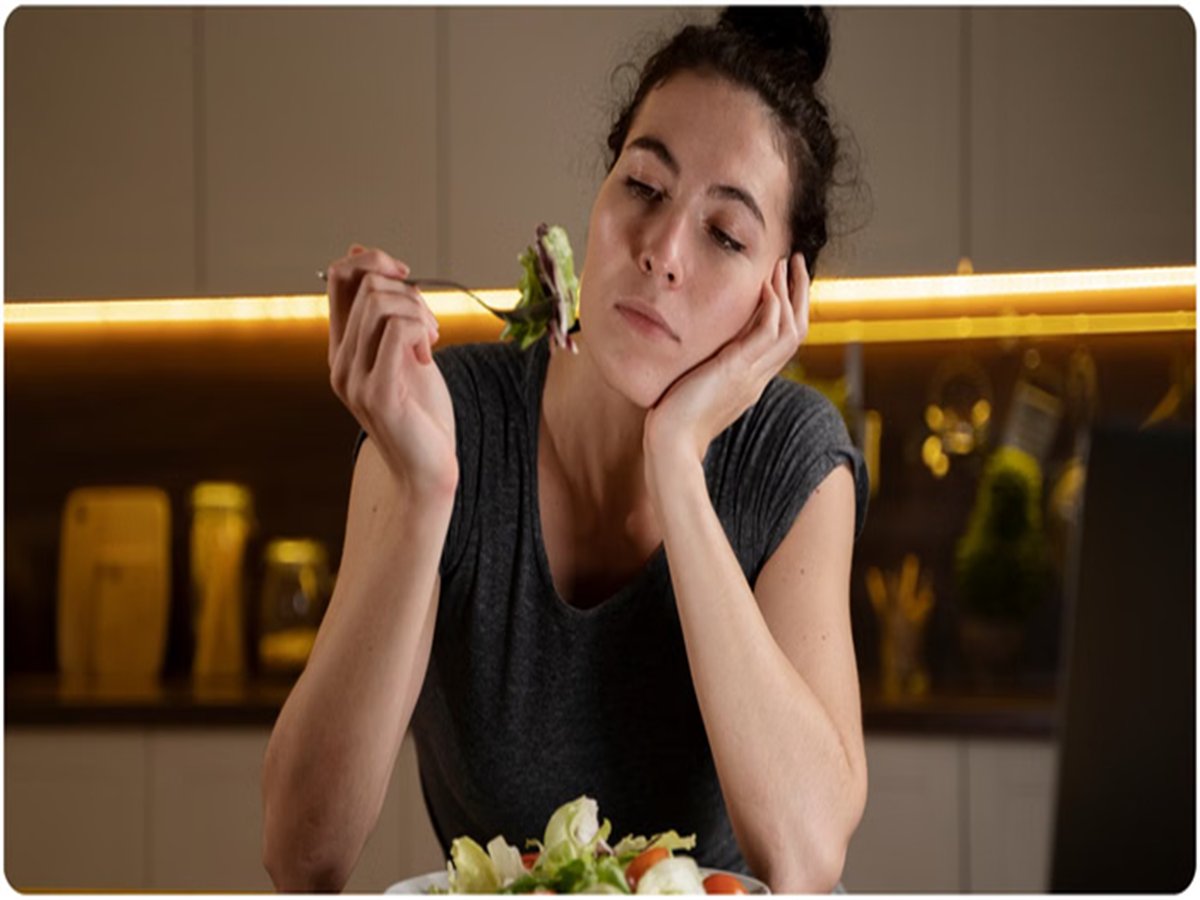
Medical reports show that a lack of iron-rich foods in the diet leads to reduced hemoglobin levels, which causes anemia. Hemoglobin is a protein responsible for transporting oxygen to various parts of the body.
The question arises: why are women at a higher risk of anemia? What factors contribute to this condition?
The Problem of Anemia
Health experts identify a lack of iron-rich foods in the diet as the primary cause of anemia in women, though dietary habits are not the only factor. Monthly menstruation (periods) can also exacerbate iron deficiency in the body. The risk is particularly high for women who experience heavy menstrual bleeding.
Conversely, drastically reducing food intake to lose weight, avoiding iron- and protein-rich foods, or lacking dietary diversity can also aggravate the condition.
Risk Associated with Heavy Menstrual Bleeding
Excessive blood loss during menstruation can lead to a risk of iron deficiency.
While the body typically replenishes the blood lost during normal menstruation using iron obtained from food, prolonged or heavy bleeding can lead to a significant iron deficit. This is why women who experience heavy menstrual bleeding are at a higher risk of developing anemia. If periods are prolonged or accompanied by frequent, abnormal bleeding, an underlying uterine issue or another gynecological condition could be the cause. In such cases, it is essential to consult a doctor for an examination.
**Low Iron Intake in the Diet is Also a Major Factor**
The body requires iron to produce hemoglobin. Adult women aged 19 to 50 need 18 milligrams of iron daily.
Lentils, chickpeas, kidney beans, green vegetables (like spinach), meat, fish, and eggs are good sources of iron. Iron obtained from plant-based sources is absorbed less efficiently by the body; however, consuming foods rich in Vitamin C can aid absorption. Click here to learn more about iron deficiency and the risks of anemia.
**Other Important Considerations**
Health experts note that a low blood count does not always indicate iron deficiency. Deficiencies in Vitamin B12 and folate, infections, inflammation, chronic illnesses, and certain genetic conditions can also cause anemia. Therefore, taking iron supplements for an extended period without a proper diagnosis is not advisable.
If you frequently experience weakness, dizziness, shortness of breath, a rapid heartbeat, or excessively heavy menstrual bleeding, be sure to consult a doctor.
PC Social Media