LIFESTYLE
Anosmia: Is the loss of smell—a symptom of COVID—still troubling you? What exactly is the reason for this?
Between 2020 and 2023, the world witnessed a widespread outbreak of the coronavirus pandemic. The coronavirus (SARS-CoV-2) was entirely new to people; consequently, there were initially no medicines or vaccines available to prevent it. This led to severe outbreaks during the first two waves. Many people affected by the virus experienced common symptoms like the cold and flu, alongside a loss of taste and smell—a condition recognized as a side effect of the coronavirus.

However, did you know that you can experience a loss of taste and smell even without a coronavirus infection? In medical terms, a reduced ability to smell is called *hyposmia*, while the complete loss of the sense of smell is known as *anosmia*.
**The Problem of Loss of Smell**
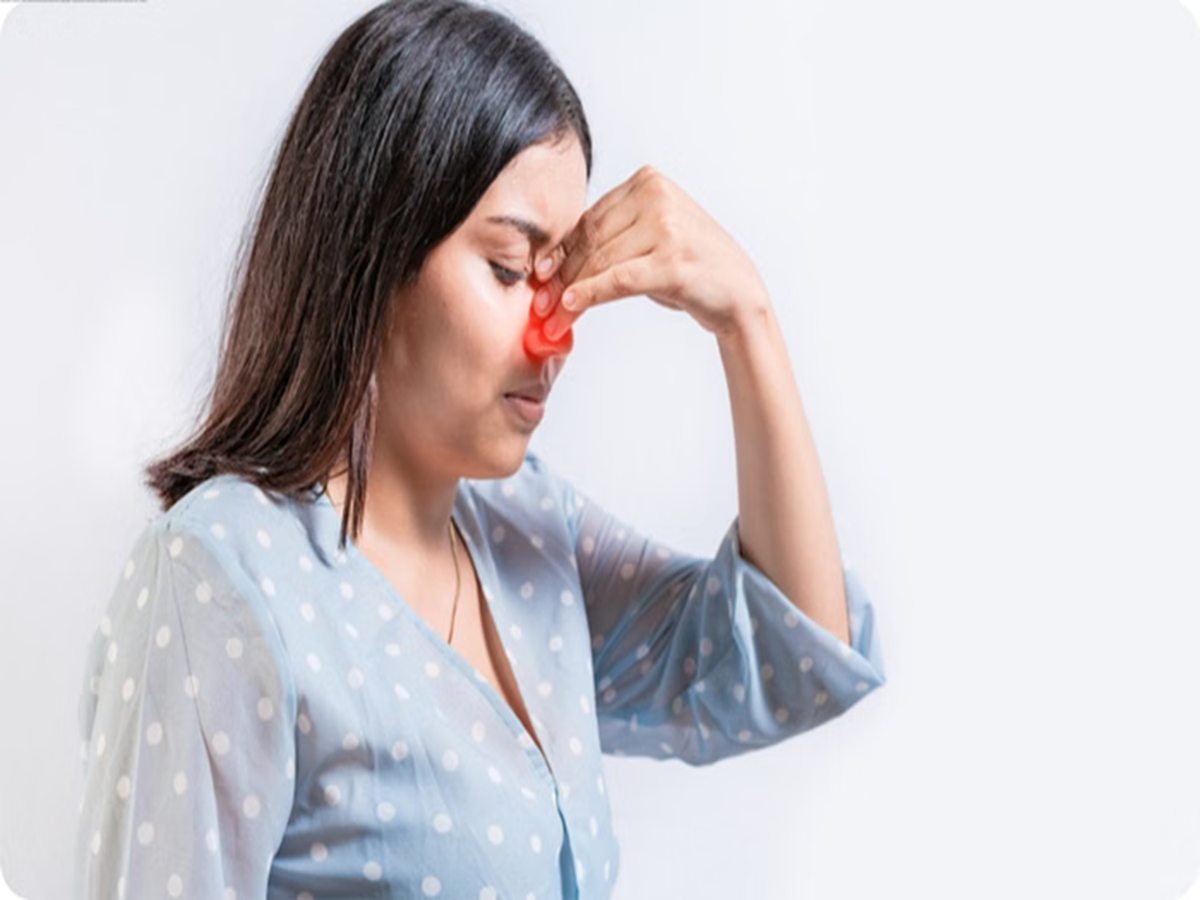
Health experts state that COVID is not the only cause of a loss of smell. Conditions such as the common cold, flu, sinus issues, allergies, and nasal polyps (fleshy growths in the nasal passage) can also lead to this problem. In some cases, smoking, head injuries, and certain medications can also be contributing factors.
Since anosmia was frequently observed during the COVID-19 pandemic, people often automatically associate a loss of smell with the virus.
Anosmia refers to the complete loss of the ability to perceive odors. In some individuals, the sense of smell is not entirely lost; instead, the scent of familiar things changes or becomes unpleasant—a condition known as *parosmia*.
Loss of taste and smell was a common symptom of COVID-19. For some, alterations in the sense of smell or taste persisted long after the infection had cleared.
Let us explore the potential causes if you are currently experiencing anosmia.
**What Causes Anosmia?**
There can be several reasons behind a reduced or completely lost sense of smell. Common causes include the common cold, flu, COVID-19, sinus infections, and allergies.
Nasal polyps—excess tissue growths inside the nose—can also obstruct the airway and interfere with the sense of smell.
Additionally, smoking, head injuries, certain medications, and hormonal changes can affect one's ability to smell.
Studies indicate that the sense of smell may also diminish with age.
In rare instances, olfactory issues have been observed as early signs of neurological disorders such as Parkinson's or Alzheimer's disease.
It affects not just the sense of smell, but also the taste of food.
People often mistakenly believe their tongue has lost the ability to taste, when the actual issue may be a diminished sense of smell. Smell plays a crucial role in perceiving flavor; without it, food can seem bland or tasteless.
The impact of anosmia extends beyond the enjoyment of food. Some individuals may add excessive salt or other ingredients to enhance flavor.
This can exacerbate health issues for people with high blood pressure or kidney disease.
Some people may eat less because food becomes unappealing, leading to weight loss, while others might overeat, resulting in weight gain.
What are the risks associated with anosmia?
Health experts note that the sense of smell is vital for safety. It often alerts us to hazards like gas leaks, spoiled food, smoke, or fire. With anosmia, one cannot detect these dangers through smell, increasing the risk of accidents.
Furthermore, a prolonged loss of smell can alter food preferences and impact nutritional intake.
Since this condition is often linked to sinus issues, allergies, nasal congestion, or other health problems, it is important to recognize the symptoms and understand the underlying causes in a timely manner. If your sense of smell does not return to normal within a few weeks, be sure to consult a doctor so that the underlying causes can be identified and treated.
PC Social Media