LIFESTYLE
Dussehra 2026: Avoid these 5 things on Vijayadashami—learn the essential rules for Dussehra..
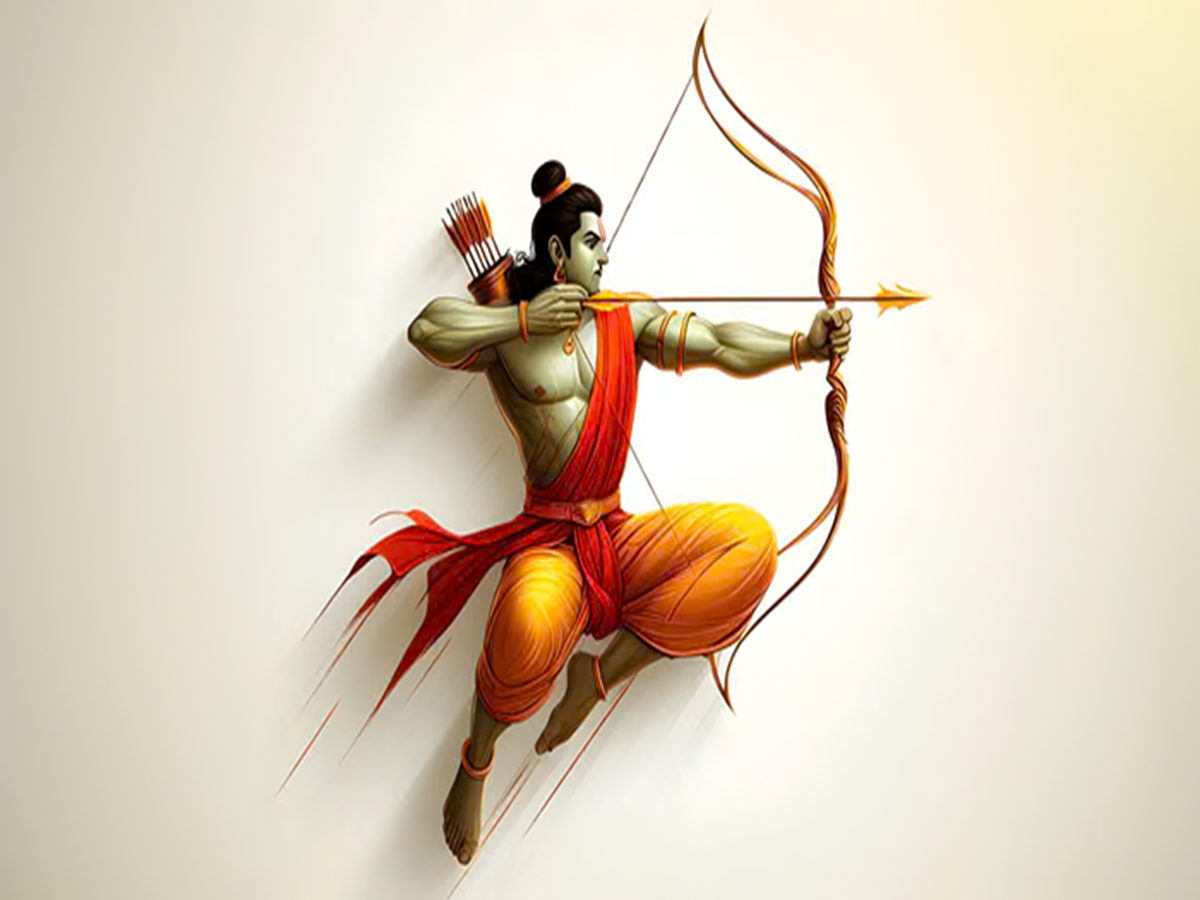
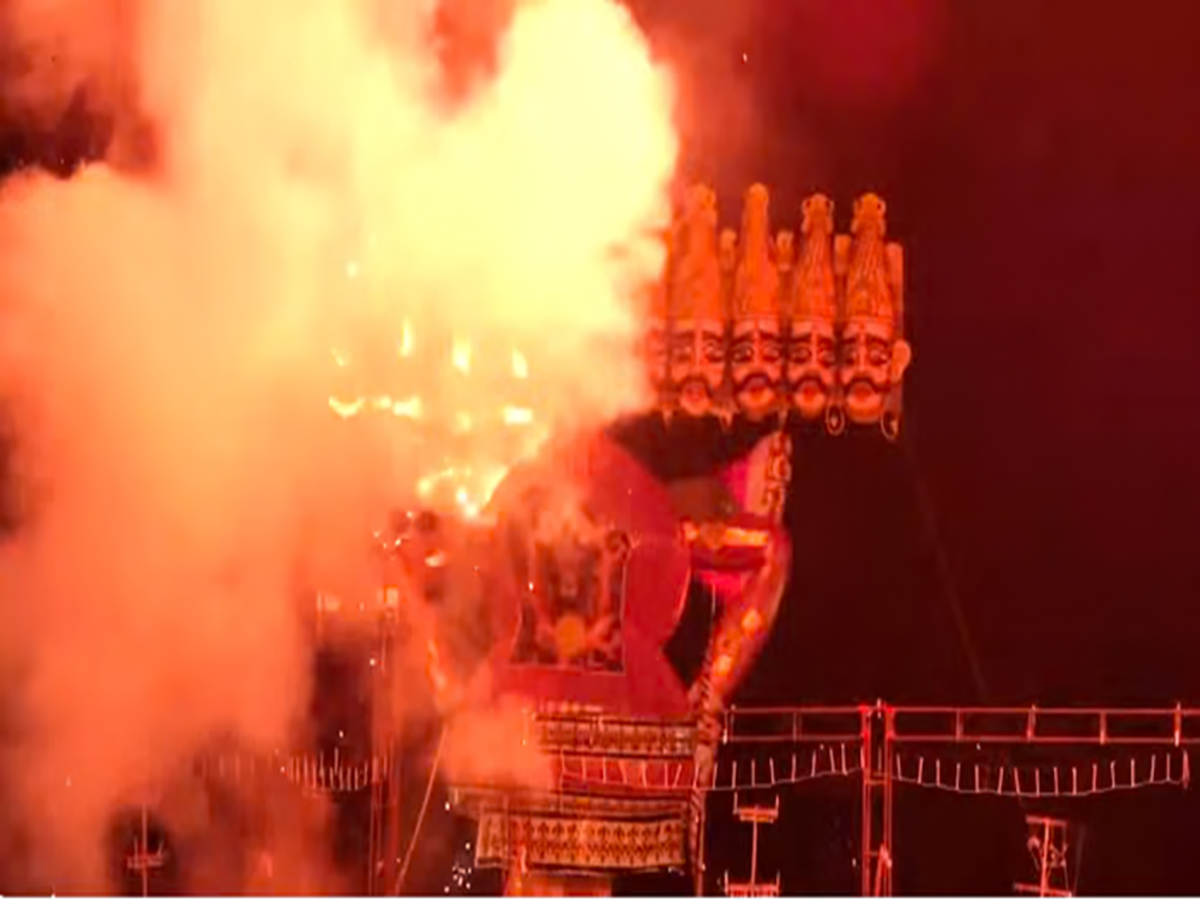
Dussehra is one of the major festivals in Hinduism. It is also known as Vijayadashami. This festival conveys the message of the victory of good over evil and righteousness over unrighteousness. Dussehra is celebrated annually on the tenth day (tithi) of the bright fortnight (shukla paksha) of the month of Ashvin. According to religious beliefs, it was on this day that Lord Rama slew Ravana, the king of Lanka. Simultaneously, Goddess Durga defeated the demon Mahishasura on the tenth day, following a nine-day-long battle. For this reason, Vijayadashami is considered a symbol of victory, courage, and new beginnings. On the occasion of Dussehra, effigies of Ravana, Meghnada, and Kumbhakarna are burnt in various parts of the country. In many places, 'Ramlila' (dramatic enactments of the life of Lord Rama) is organized, and special prayers and rituals are conducted in temples.

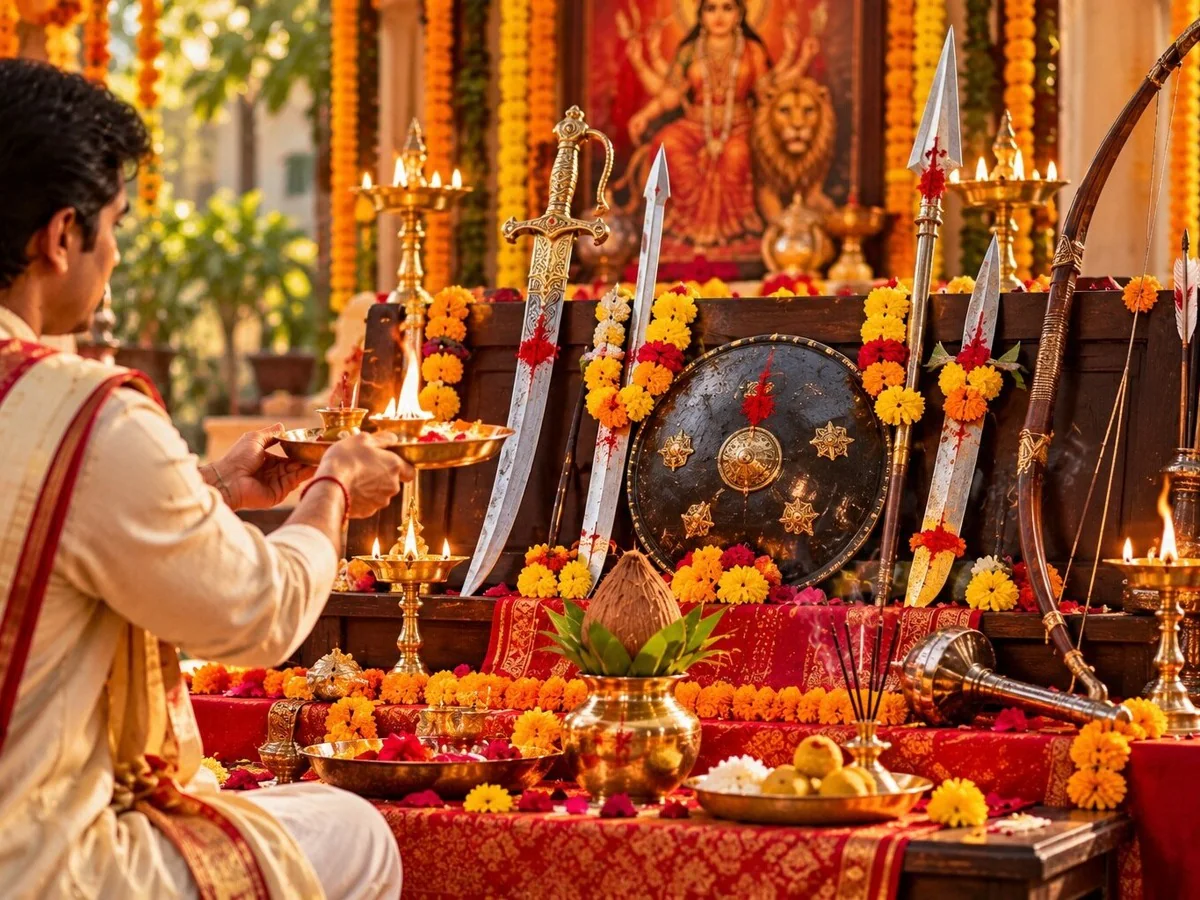
There is also a tradition of 'Shastra Pujan' (worship of weapons/tools) on this day. It is believed that commencing auspicious tasks on Vijayadashami is highly favorable. However, religious traditions also mention certain activities that are best avoided on this day. In 2026, Dussehra will be celebrated on October 20th. If you wish to observe this festival with full devotion and in accordance with prescribed rituals, there are certain important points to keep in mind. Let us explore which activities are advised against on Vijayadashami and the key religious guidelines associated with Dussehra.
Avoid 'Tamasic' (impure/stimulating) food and intoxicants.
According to religious beliefs, consuming 'Sattvic' (pure and wholesome) food on the day of Dussehra is considered auspicious. On this day, many people abstain from consuming meat, fish, eggs, and alcohol. Some families also avoid the use of onions and garlic. It is believed that one should maintain self-restraint and purity while performing prayers and rituals during the festival. However, dietary customs may vary depending on individual family traditions and practices.
Do not harm any living beings or nature.
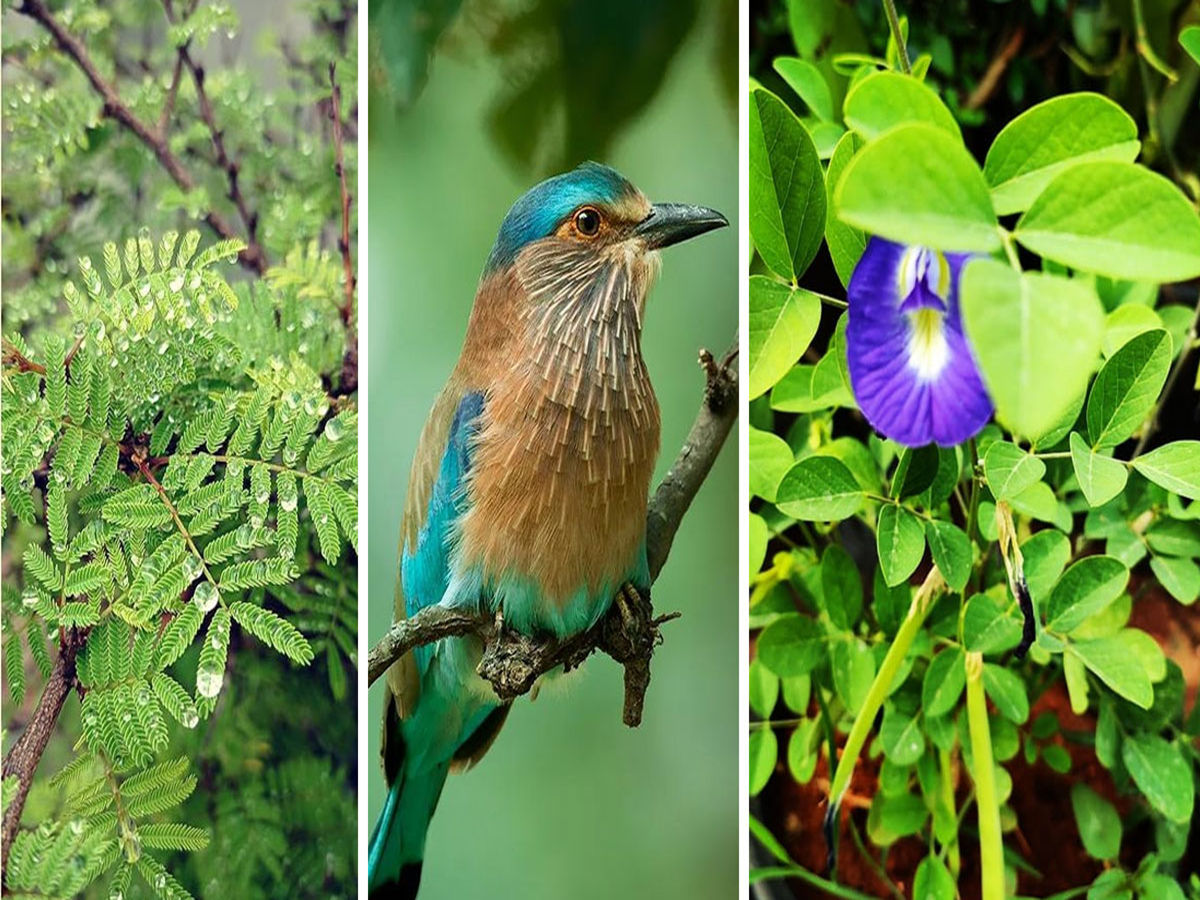
The festival of Vijayadashami conveys the message of the triumph of righteousness and virtuous conduct. On this day, one should refrain from harming or disturbing animals and birds, or causing unnecessary damage to trees and plants. Showing compassion toward living beings and sensitivity toward nature is a hallmark of good conduct. Maintain cleanliness throughout the festival and strive to avoid any activities that could harm the environment.
Avoid conflicts and disrespectful behavior.
Dussehra is associated with positivity and new beginnings. Therefore, it is advised to treat family members, elders, and others with respect on this day. Engaging in unnecessary arguments, using harsh language, or insulting others can strain relationships. Try to resolve any differences peacefully and remain polite toward others. From a religious perspective as well, good behavior and virtuous conduct are considered highly significant.
Keep these points in mind when making donations
In Hindu tradition, helping those in need and performing acts of charity hold special importance during festivals. On Dussehra, one may donate food, grains, clothing, or other useful items according to one’s capacity. Certain local customs advise against donating items like turmeric, leather goods, or worn-out/torn clothing; however, these guidelines are not universal across all traditions. When giving, it is more important to consider the utility of the item, its condition (cleanliness), and the actual needs of the recipient.
Be mindful of traditional beliefs regarding exchanges in the evening
According to some traditional beliefs, it is advised to avoid giving items such as needles, salt, or sugar to others during the evening of a festival. This is a folk belief rather than a universal religious rule, and such customs may vary across different regions and families. Therefore, instead of linking them to superstition or fixed results, they should be understood in the context of their family tradition.

Do not forget to perform *Shastra Puja* (worship of weapons/tools) on Dussehra.
The tradition of *Shastra Puja* on Vijayadashami is prevalent in many regions. In ancient times, warriors would worship their weapons on this day. Even today, many people honor the tools, vehicles, and equipment they use in their work by cleaning and maintaining them. This can be seen as a symbol of hard work, duty, and dedication to one's profession. If you choose to perform *Shastra Puja*—whether for weapons or work tools—please ensure that you follow all safety protocols while conducting the ritual.
PC Social Media