LIFESTYLE
Dussehra 2026: It is Vijayadashami today; learn about the religious traditions—from Shami worship to the sighting of the Neelkanth..
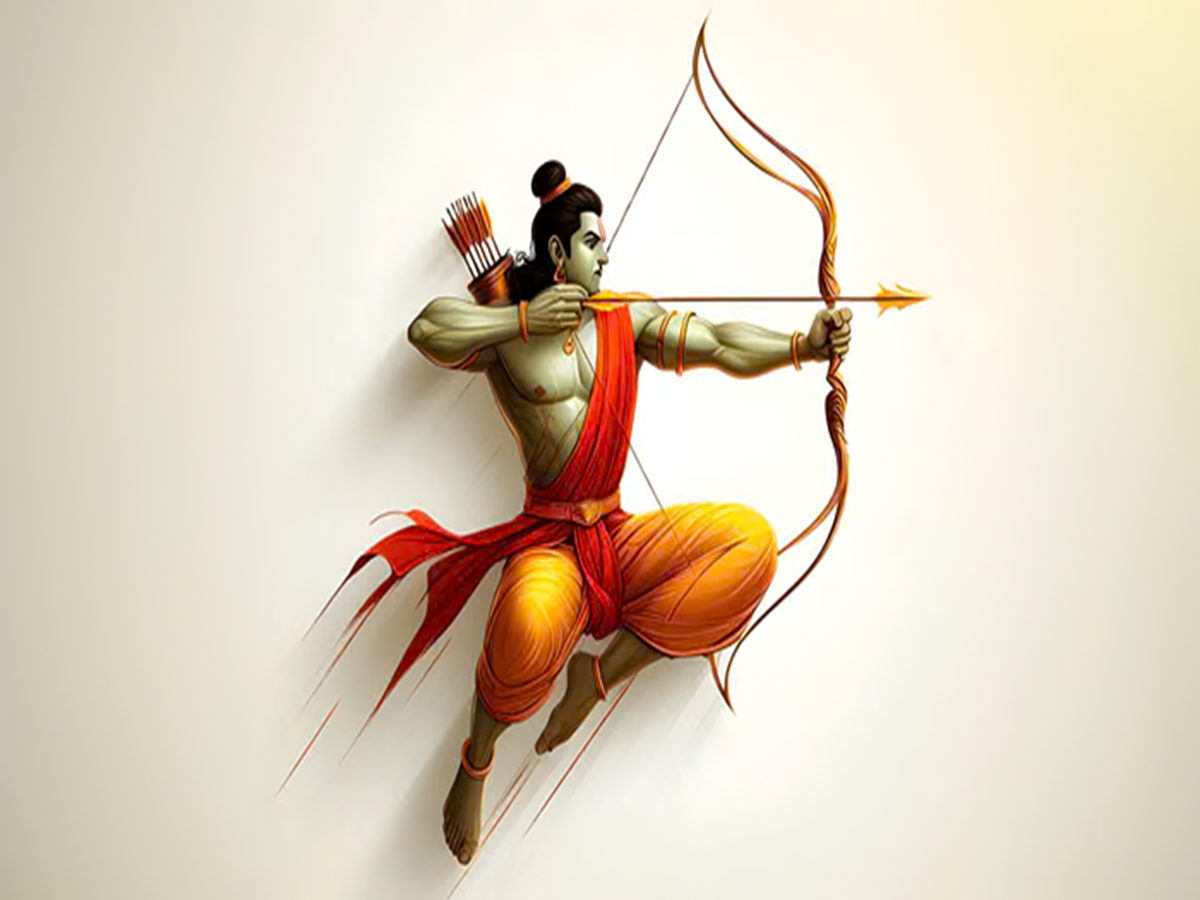
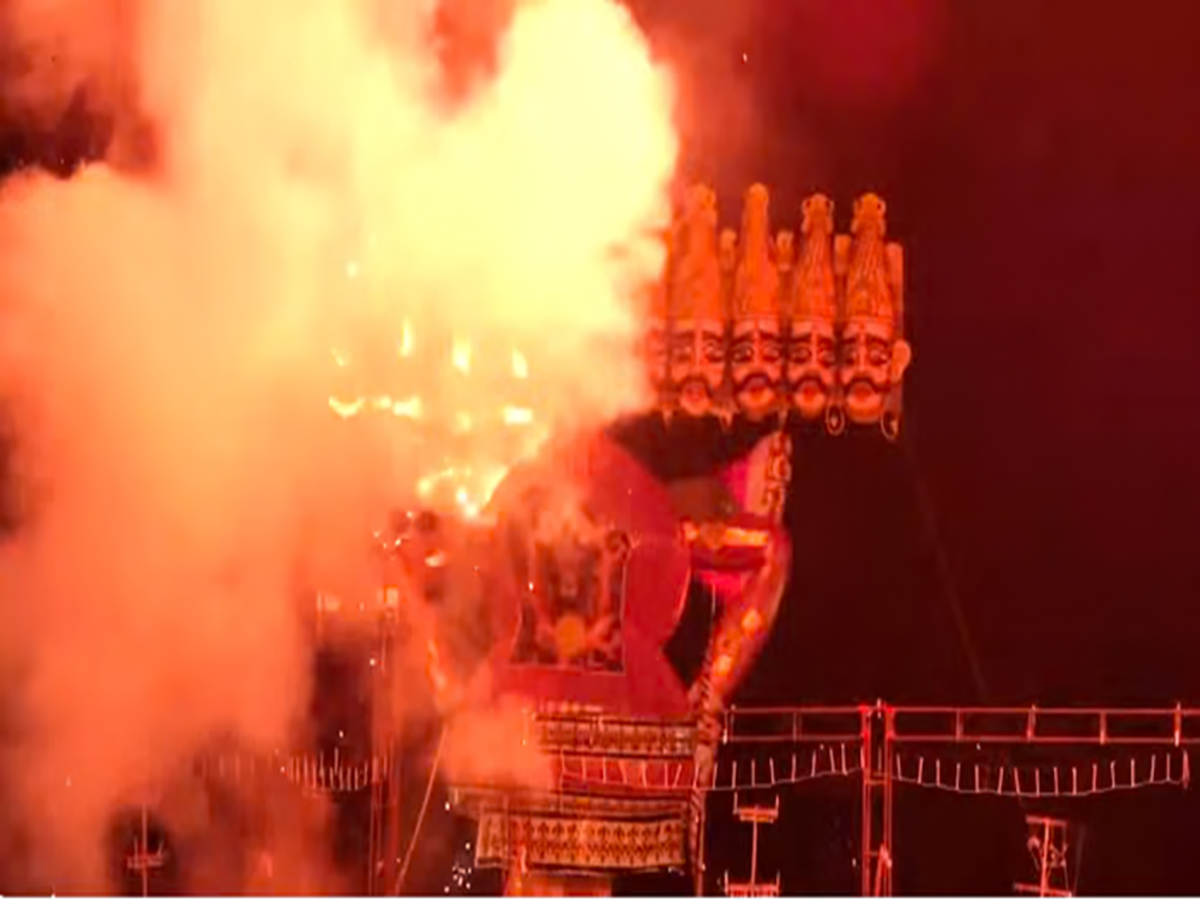
Today, the festival of Vijayadashami is being celebrated with great enthusiasm across the country. In Hinduism, Vijayadashami—also known as Dussehra—is considered a symbol of victory, auspiciousness, and new beginnings. According to religious tradition, it was on this day that Lord Rama achieved victory over Ravana, and Goddess Durga protected righteousness by slaying the demon Mahishasura. For this reason, it is customary not only to perform religious rituals but also to initiate new ventures and make auspicious resolutions on this day.
It is believed that Vijayadashami is an ideal day for undertaking any auspicious task; one can begin such activities without needing to consult an astrologer for a specific, favorable time (*muhurta*). According to Vedic astrology, various significant rites—such as a child’s naming ceremony, the first feeding of solid food (*annaprashana*), the first haircut (*mundan*), ear-piercing, the sacred thread ceremony (*yajnopavita*), the commencement of Vedic studies, housewarming (*griha pravesh*), the consecration of land (*bhumi pujan*), the inauguration of a new business or shop, or the purchase of new vehicles or goods—can all be performed on this day without the need to seek a specific auspicious moment.
Why is the Shami tree worshipped on Dussehra?
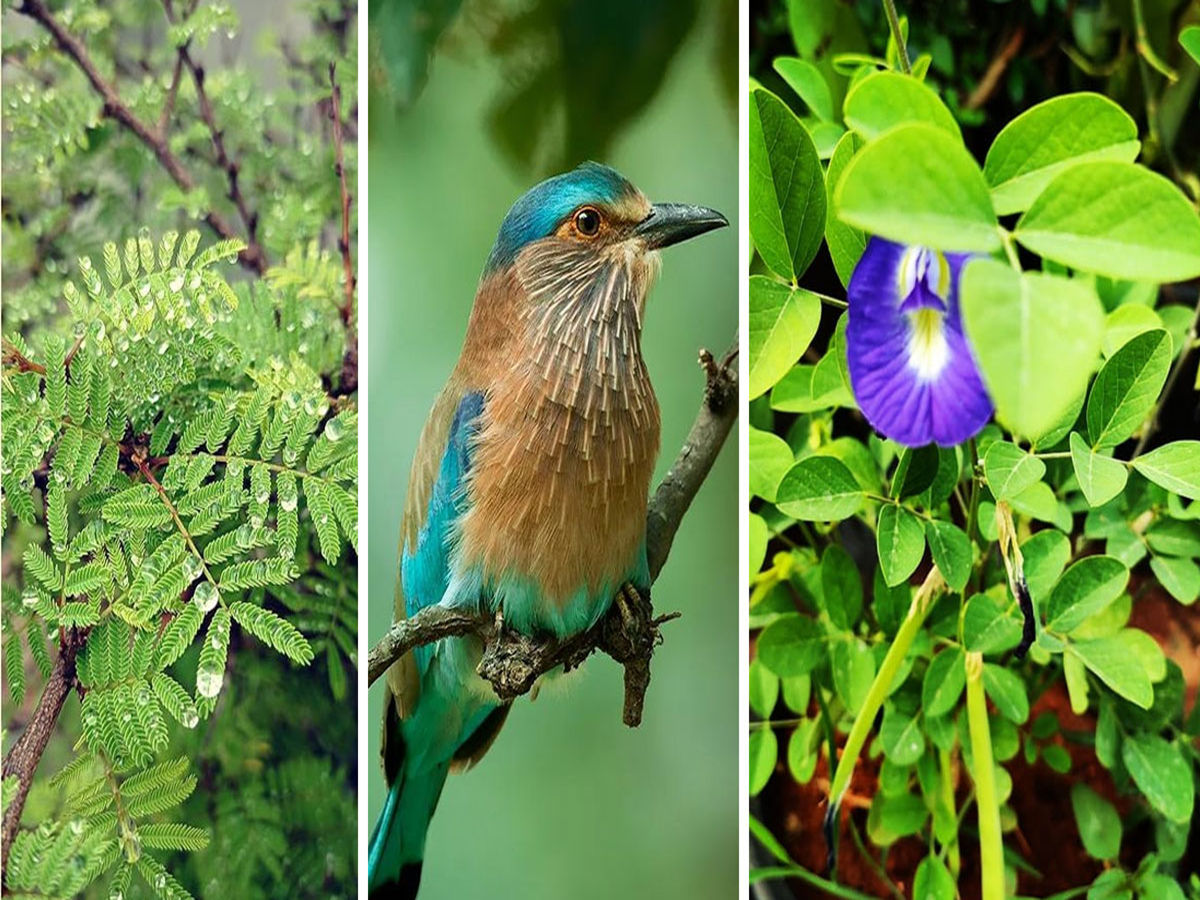
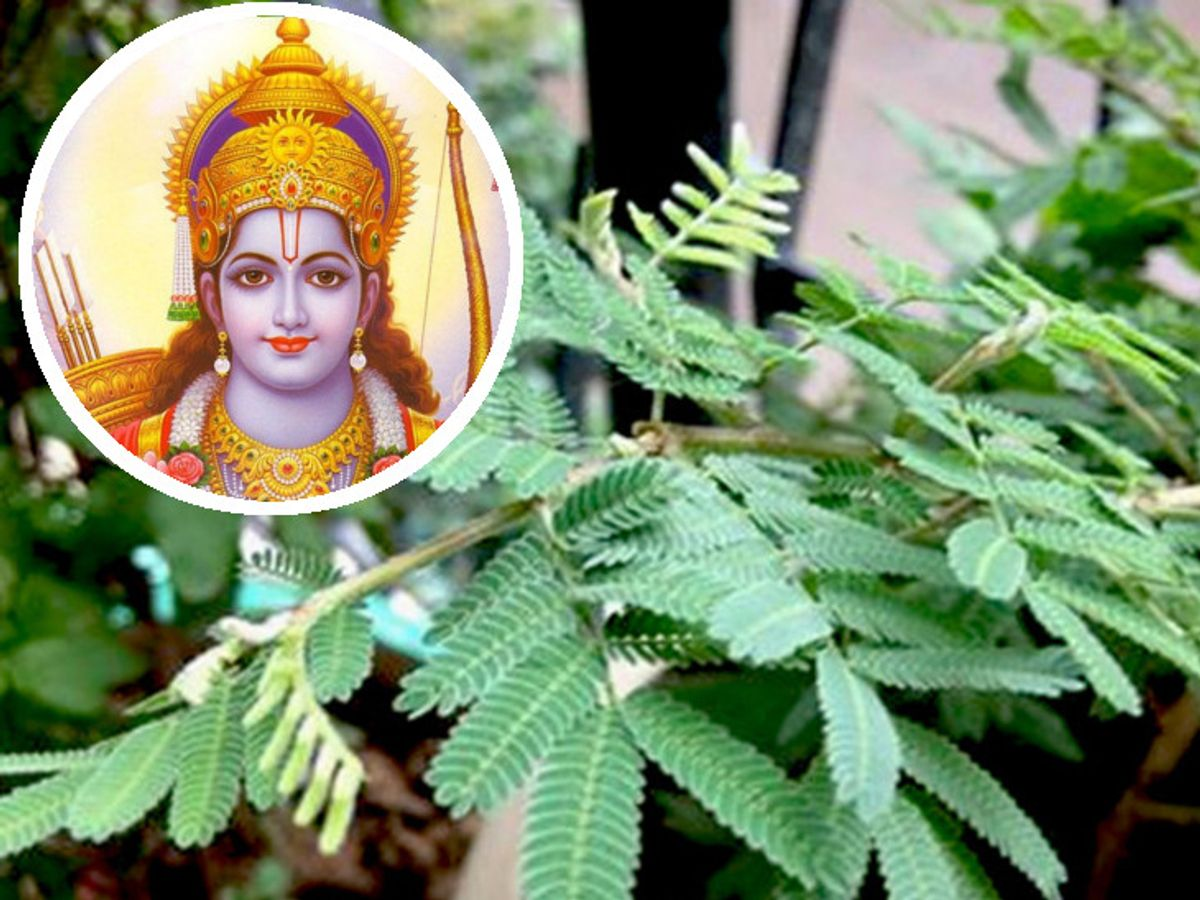
There is a tradition of worshipping the Shami tree on Vijayadashami. According to lore from the Mahabharata, the Pandavas hid their weapons in a Shami tree during their period of exile (*agyatvas*). It is believed that worshipping the Shami tree helps in overcoming obstacles in life and brings success in one's endeavors. On this day, one can offer water, *roli* (vermilion), *akshat* (unbroken rice grains), and flowers to the Shami tree with deep devotion.
Why is Goddess Aparajita worshipped on Dussehra?
In many traditions, Goddess Aparajita is also worshipped on Vijayadashami. The name 'Aparajita' means "the one who cannot be defeated." Devotees pray to the Goddess for victory in their undertakings, for courage, and for protection against obstacles. One can prepare a clean space for worship and offer a *diya* (lamp), flowers, *akshat*, and *naivedya* (sacred food offerings) to the Goddess. The method of worship may be followed according to family traditions and the local almanac (panchang).
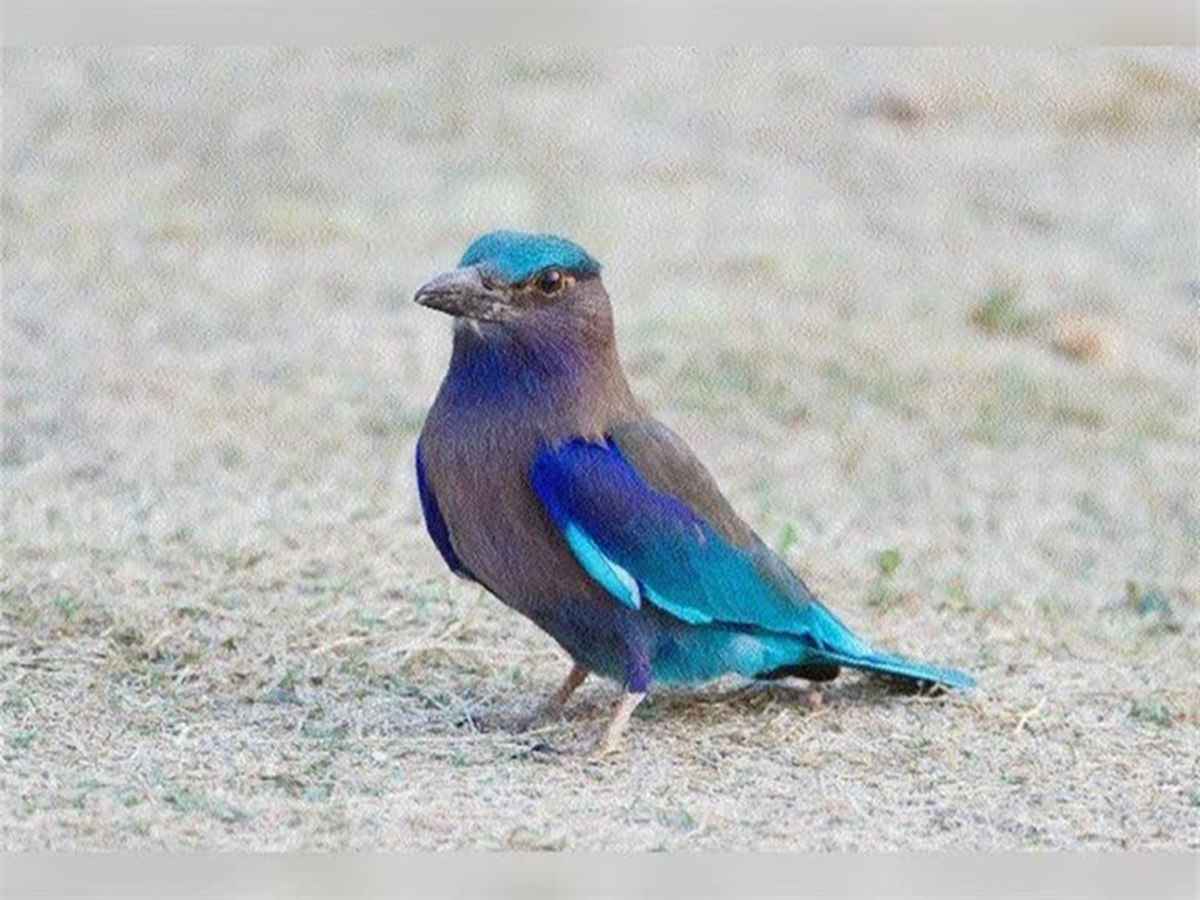
Why is sighting the 'Neelkanth' (Indian Roller) bird considered auspicious on Dussehra?
In many regions, catching a glimpse of the 'Neelkanth' bird on the day of Dussehra is considered an auspicious omen. It is believed to be highly propitious to see this bird on this day. The Neelkanth is regarded as a representative of Lord Shiva. It is said that Lord Rama sought a sighting of the Neelkanth before his battle against Ravana. Observing the Neelkanth on Vijayadashami and praying to Lord Shiva for blessings is believed to bring good fortune, prosperity, wealth, and happiness into one's life.
Why is 'Shastra Puja' (worship of weapons/tools) performed on Dussehra?
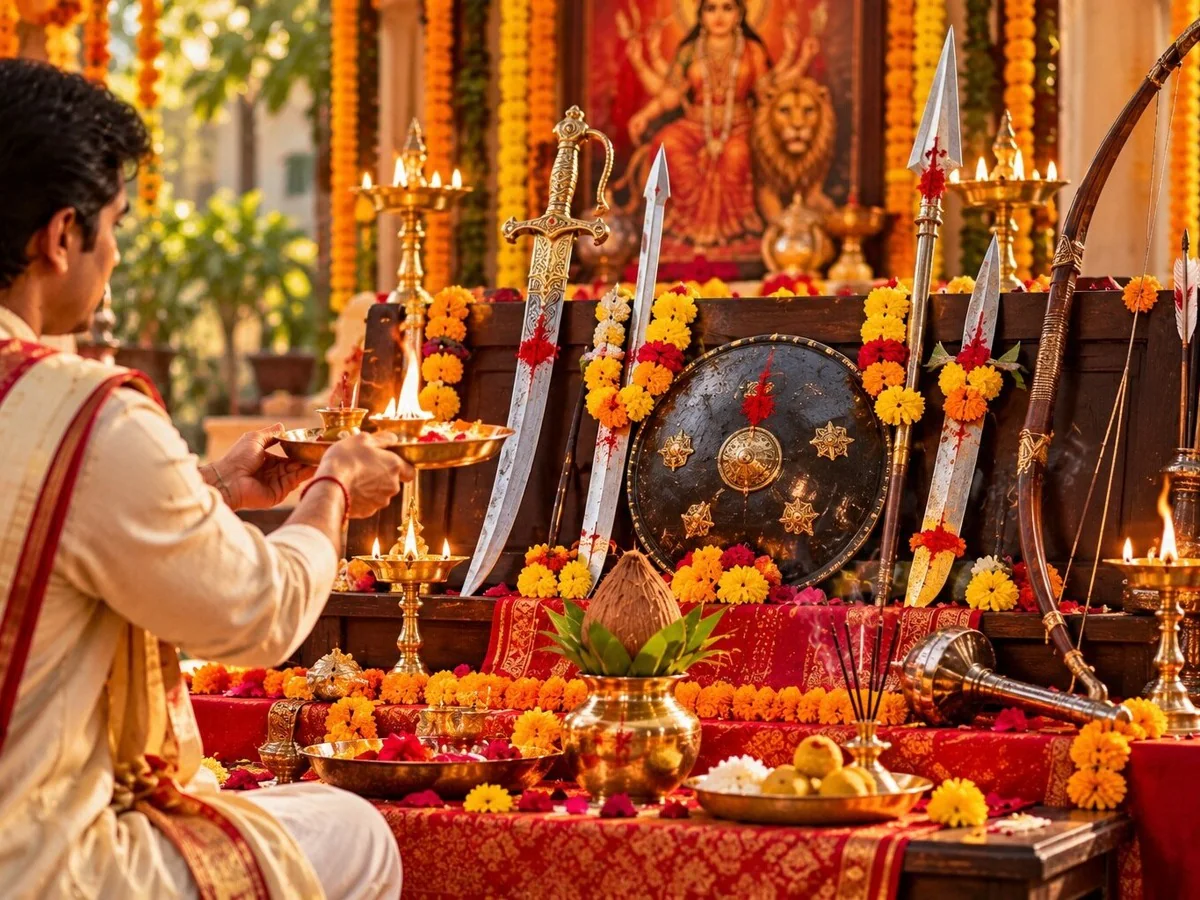
On this day, alongside the tradition of 'Shastra Puja,' farmers worship their agricultural implements, artisans honor their tools, and traders perform rituals for their shops and account books. Students may express respect toward their books and writing materials. Vehicles and various work-related equipment are cleaned, marked with *roli* (vermilion) and *akshat* (unbroken rice grains), and adorned with flowers. This tradition serves as an opportunity to express gratitude toward the means of one's livelihood.
PC Social Media