LIFESTYLE
Dussehra 2026: Why is the tradition of 'Shastra Puja' observed on Vijayadashami? Learn about its religious significance..
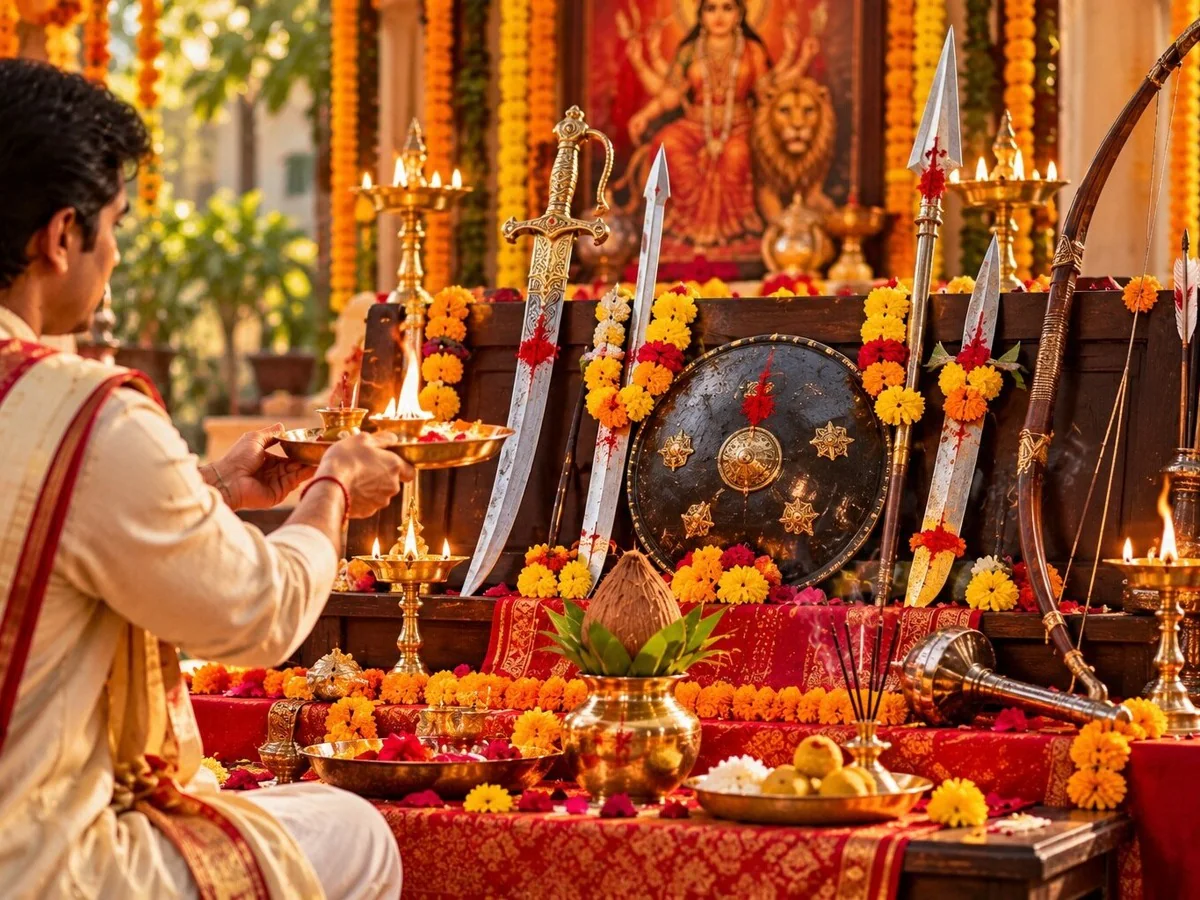
Dussehra, or Vijayadashami, is considered a symbol of the victory of good over evil. While this day celebrates Lord Rama’s triumph over Ravana and Goddess Durga’s victory over Mahishasura, it is also marked in many places by the tradition of *Shastra Puja* (worship of weapons/tools). On this occasion, people worship their weapons as well as the tools they use in their daily work. Very few people are aware of why *Shastra Puja* is performed on Dussehra or the religious beliefs associated with it. Let us explore this tradition in detail.
Religious Significance of *Shastra Puja*
In Hindu tradition, weapons are considered symbols of power, courage, self-defense, and the protection of *Dharma* (righteousness). The purpose of *Shastra Puja* is not merely to worship weapons, but also to pledge to use one’s strength for the right cause and to stand against injustice. Vijayadashami is traditionally regarded as an auspicious time for new beginnings and victory. For this reason, in many places, soldiers, police personnel, and those involved in security-related professions worship their weapons. Similarly, artisans, farmers, and people from various other vocations worship the tools they use in their work.
The Tradition Linked to the *Mahabharata*
A significant belief regarding *Shastra Puja* is rooted in the *Mahabharata*. According to mythological tradition, the Pandavas, during their period of exile in disguise (*Agyatvas*), hid their weapons in a *Shami* tree. Once their exile concluded, Arjuna retrieved his weapons from this very tree and confronted the Kaurava army to defend the kingdom of King Virata. This episode is associated with Vijayadashami; consequently, in many regions, the *Shami* tree and weapons are worshipped on Dussehra.
Connection to Lord Rama and Goddess Durga
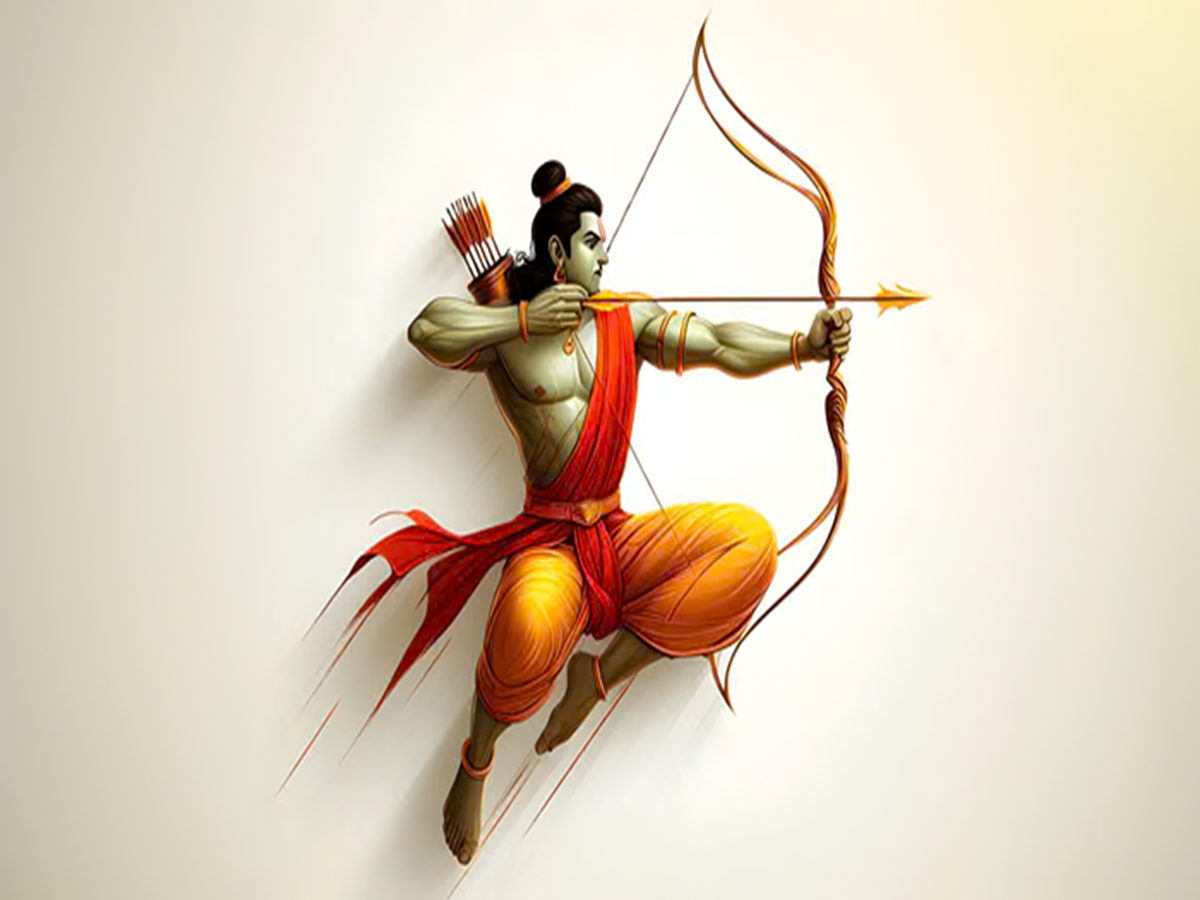
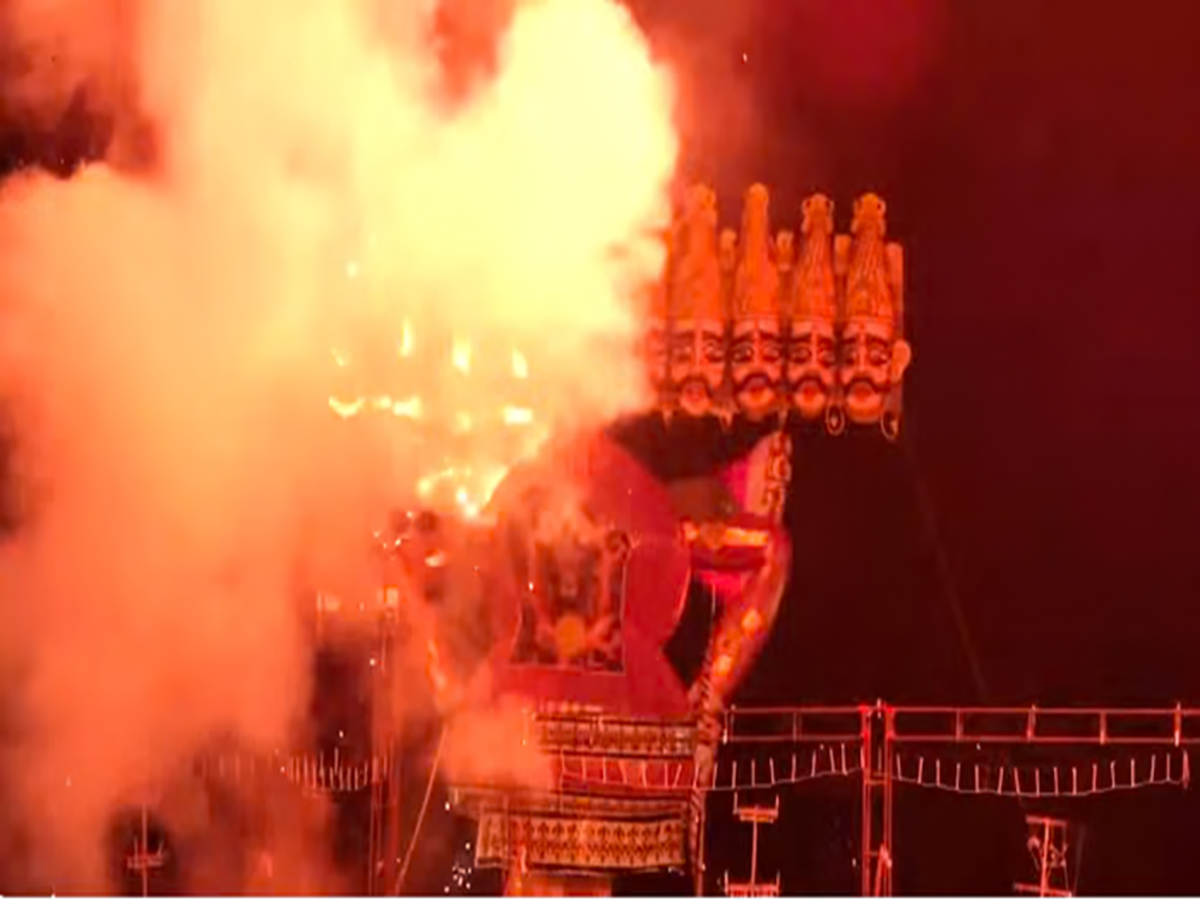
Dussehra is also associated with Lord Rama’s victory over Ravana. According to religious tradition, Lord Rama brought an end to *adharma* (unrighteousness) and established *dharma* (righteousness) by slaying Ravana. Similarly, the *Devi Mahatmya* recounts the story of Goddess Durga defeating the demon Mahishasura. Both narratives convey a message of victory over injustice and negative forces. *Shastra Puja* (the worship of weapons/tools) reinforces the principle that power should be employed in the service of *dharma*, justice, and the protection of others.
How is *Shastra Puja* performed?
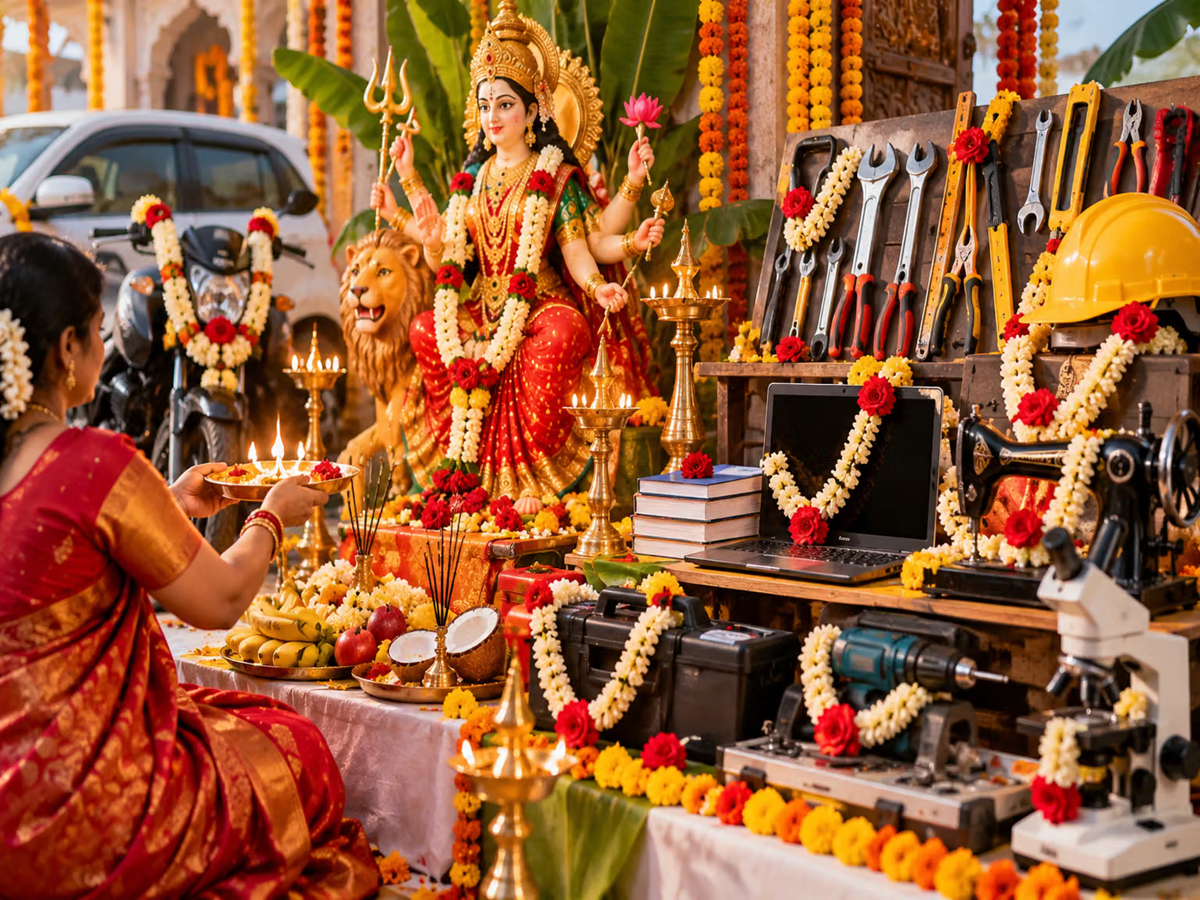
The rituals for *Shastra Puja* may vary across different regions and families. Generally, on the day of Dussehra, weapons and tools are cleaned and placed in a pristine, designated space for worship. Items such as *roli* (vermilion), *akshat* (unbroken rice grains), flowers, and *diyas* (lamps) are used during the ceremony. Many people also perform this worship for their vehicles, machinery, books, and various professional tools. In South India, the tradition of showing respect toward the tools and instruments used for one's livelihood—known as *Ayudha Puja*—is particularly prominent.
What is the message behind *Shastra Puja*?
*Shastra Puja* serves as a reminder that power must be accompanied by responsibility. Whether they are weapons or everyday work tools, they should be handled with caution, discipline, and a righteous purpose. This tradition also offers an opportunity to express gratitude for the tools that facilitate one's work and to seek blessings for new beginnings. Thus, the worship of weapons on Dussehra is not merely a religious ritual; it is a symbol of courage, duty, self-defense, and the constructive use of power. Its core message is that victory is truly meaningful only when its purpose is to uphold justice and protect *dharma*.
PC Social Media