Business
Gold and Silver Outlook: A massive, explosive rally is on the horizon for gold and silver; gold to reach ₹1.85 lakh..
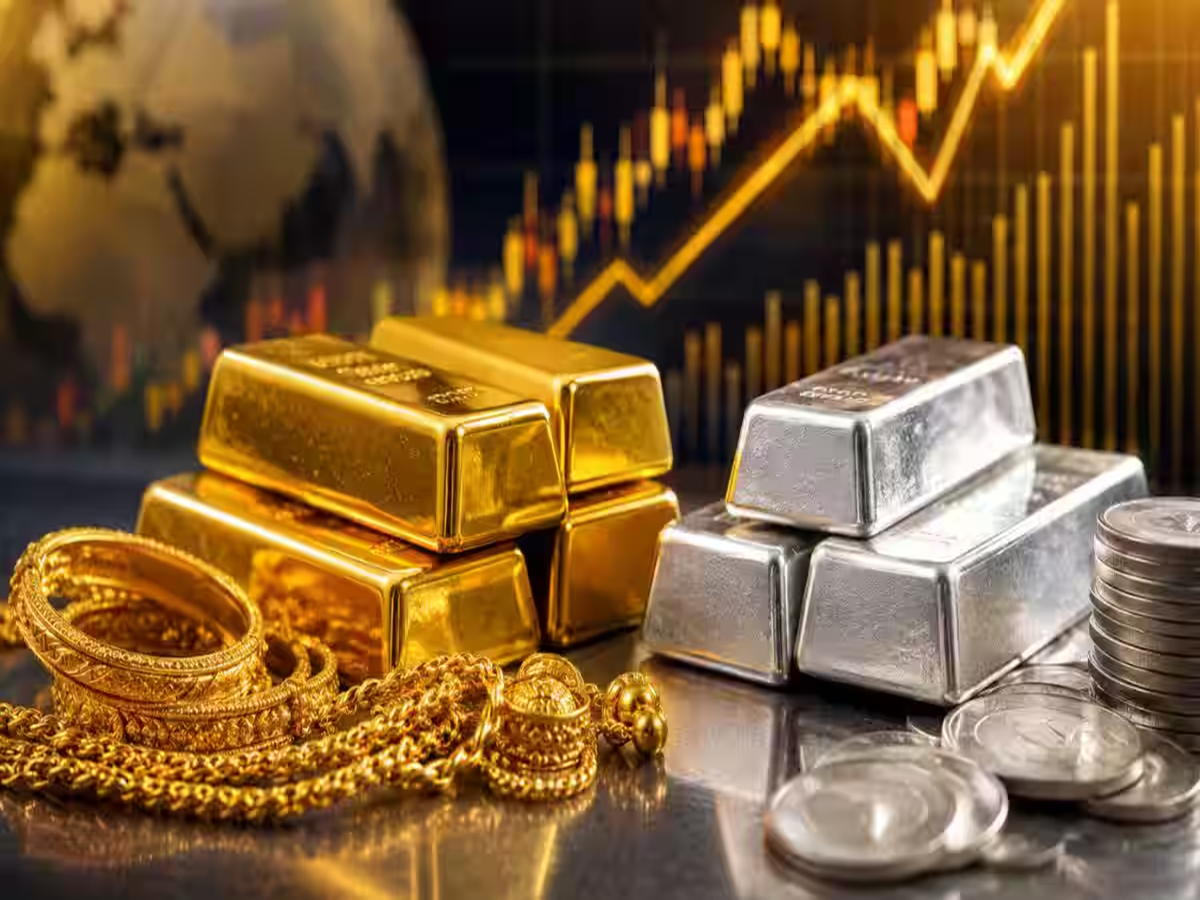
Gold and silver prices have plummeted over the last nine months. Since reaching an all-time high on January 29, 2026, gold has become approximately 24% cheaper, while silver has seen a decline of up to 50%. In concrete terms, gold prices have fallen to ₹45,000 per 10 grams, and silver to ₹2.10 lakh per kilogram.
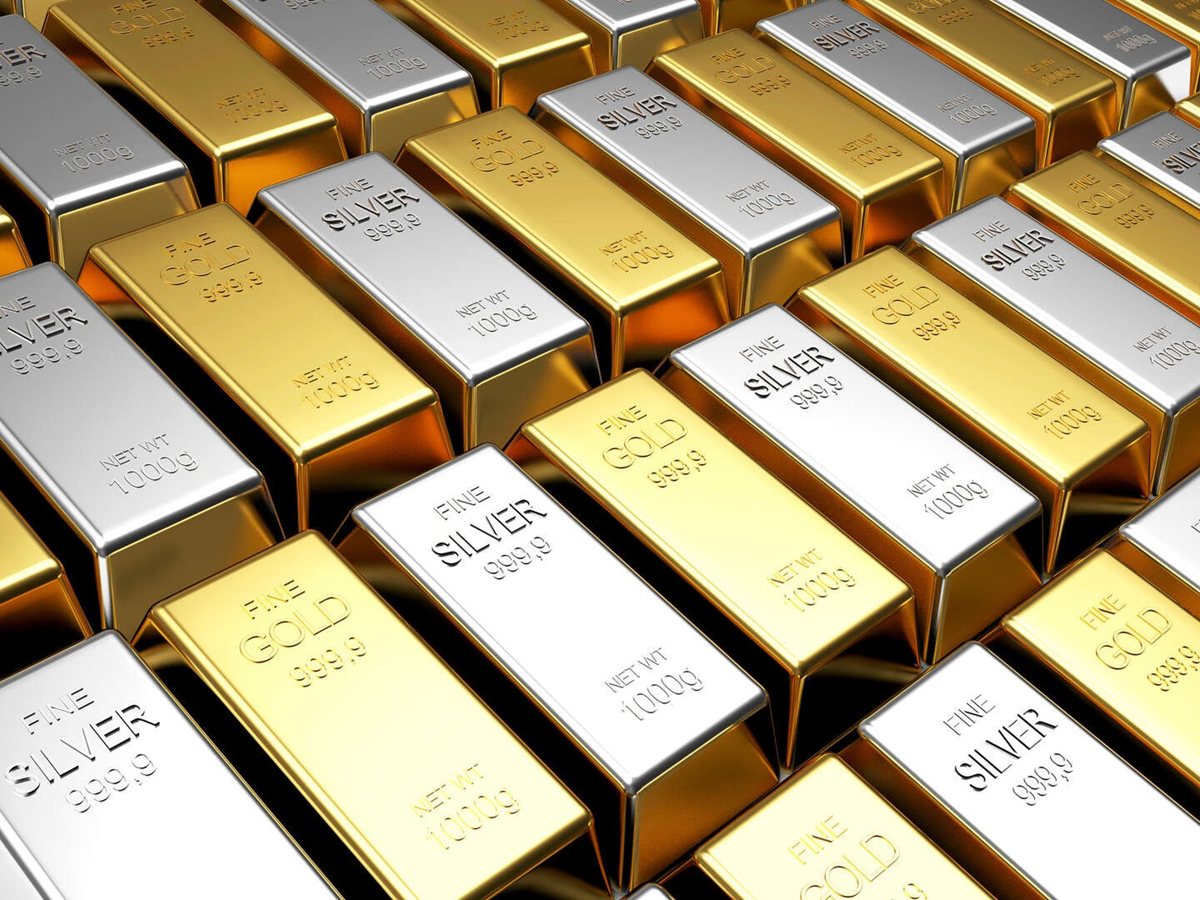
Meanwhile, Metals Focus—a British firm specializing in research on precious metals—has projected a bullish outlook for gold and silver. According to the firm, the average price of gold in 2027 could reach $5,330 per ounce, while the average silver price could be $84.40 per ounce.
By the final quarter of that year, gold could reach or exceed $6,000 per ounce (approximately ₹1.85 lakh per 10 grams), and silver could climb to $90 per ounce (approximately ₹2.75 lakh per kilogram).
A decline does not necessarily mean a downturn.
In an interview, Matthew Pigott, Director for Gold and Silver at Metals Focus, stated:
"Despite the decline in gold prices this year, the long-term bullish foundation remains intact. The current drop in gold prices does not necessarily signal the onset of a downturn; rather, it could be part of a process leading to market stabilization. Buying activity from institutional investors and central banks is providing support, keeping gold prices above $4,000 per ounce."
During the interview, Pigott also explained why the rally in gold prices stalled and discussed the role of the Middle East. He further elaborated on how India could play a significant role in the pricing of gold and silver. Here are the key takeaways in five points:
1. Why did the rally in gold prices come to a halt?
Gold prices are under pressure due to inflation, high energy costs, and uncertainty surrounding interest rates. Elevated bond yields have made alternatives that offer regular returns more attractive to investors. Furthermore, investment opportunities are also emerging in the stock market, cryptocurrencies, and other commodities. According to Pigott, institutional investors tend to resume buying when the price of gold approaches $4,000 per ounce. Central banks are also providing support to prices. Rising government debt, budget deficits, and uncertainty regarding U.S. economic policies are strengthening the long-term demand for gold.
2. How long will the Middle East conflict hinder the rally?
The ongoing conflict in the Middle East poses a significant challenge for gold and silver prices. Tensions drive up energy costs, which in turn fuels the risk of rising inflation. This can strengthen the U.S. dollar and increase the likelihood that central banks will maintain high interest rates. While inflation and economic uncertainty typically boost demand for gold, a scenario where inflation is accompanied by a stronger dollar and higher interest rates can exert downward pressure on gold’s upward momentum. Pigott notes that—
For investor confidence to return, there must be a reduction in energy market tensions and concrete progress in negotiations within the Middle East. A mere announcement of talks is unlikely to restore market confidence unless tangible results become evident on the ground. Pigott believes it is unlikely that the U.S. Federal Reserve will continue to raise interest rates over an extended period. "This is because overly stringent measures could slow down the pace of the economy, which, in turn, would provide support for gold demand."
3. How expensive could gold become by 2027?
According to Metals Focus, the average price of gold could reach $4,600 per ounce in 2026 and $5,330 per ounce in 2027—an increase of approximately 16%. In the fourth quarter of 2027, the average price is projected to reach $5,600 per ounce. If market conditions remain favorable, prices could even approach $6,000.
Physical demand for gold in markets like India and China during the final months of the year could also provide support to prices. Currently, investment demand for gold coins and bars has been weaker compared to the initial surge seen in January. Furthermore, the impact of new purchases has been limited, as many have been selling off their existing gold holdings.
4. How difficult is the path for silver to cross $90?
The outlook for silver is more complex than that for gold. The average price of silver could reach $72.60 per ounce in 2026 and $84.40 per ounce in 2027—an increase of approximately 16%. By the fourth quarter of next year, prices could climb above $90 per ounce. However, weak industrial demand for silver may hinder this upward trajectory. It is estimated that the global silver market could shift from a deficit of 35.4 million ounces in 2026 to a surplus of 37.3 million ounces in 2027.
The primary reason for this is a reduction in silver usage by manufacturers of solar panels. Companies are incorporating less silver into each panel to lower production costs and enhance technological efficiency. "Some companies are also exploring alternatives, such as copper."
5. Will investor buying push silver to new highs?
According to Piggott, the primary driver for the next major rally in silver will be the return of investors, rather than industrial demand. If gold rallies and investment in silver-linked exchange-traded products (ETPs) increases, the amount of silver available in the market could shrink, which would provide support to prices. However, he does not anticipate the same level of extreme physical shortages and supply-side pressures seen in the past—factors that previously helped drive silver prices above $120 per ounce.
In India, too, demand for physical silver investment remains significant. While Indian investment demand may decline by approximately 10% in 2026, this should not be interpreted as weakness; rather, it follows an exceptionally strong period of buying in the second half of 2025. Even with a decline from those elevated levels, demand remains robust.
Piggott notes that central bank gold purchases, government debt, and economic uncertainty could serve as long-term pillars of support for gold. For silver, a strong performance in gold and active investor participation will be key to any rally. It is important to note, however, that these are projections rather than guaranteed price outcomes. Market direction could shift due to changes in interest rates, the value of the dollar, geopolitical tensions, or fluctuations in investment flows.
PC Social Media