LIFESTYLE
Rock Salt: Why is only rock salt consumed during fasts in Hinduism? What is the reason behind this?
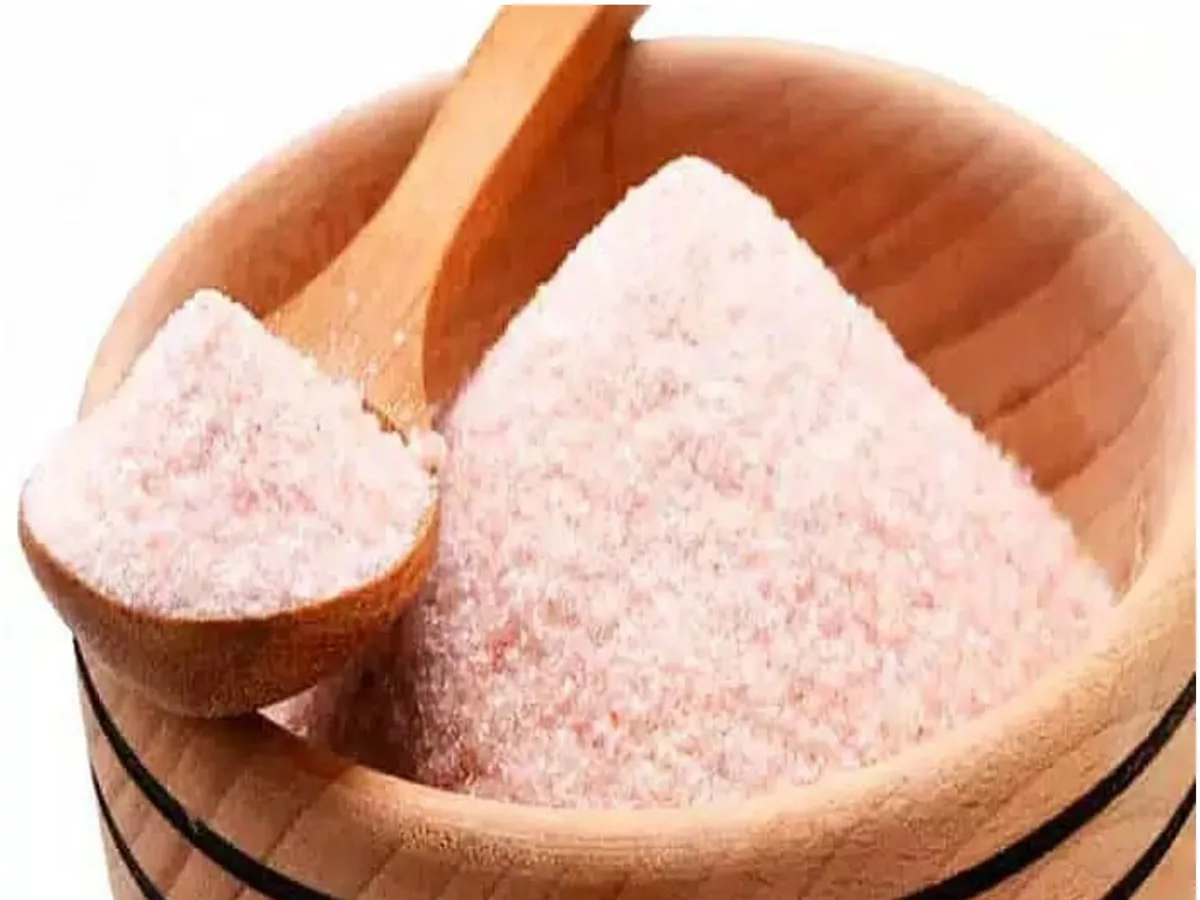
Fasting holds special significance in Hinduism. People observe fasts on various occasions such as Navratri, Mahashivratri, Janmashtami, Ekadashi, and during the month of Sawan. Certain dietary rules are followed during these times. Rock salt (*sendha namak*) is commonly used in fasting meals instead of regular table salt. But have you ever wondered why rock salt is specifically consumed during fasts?
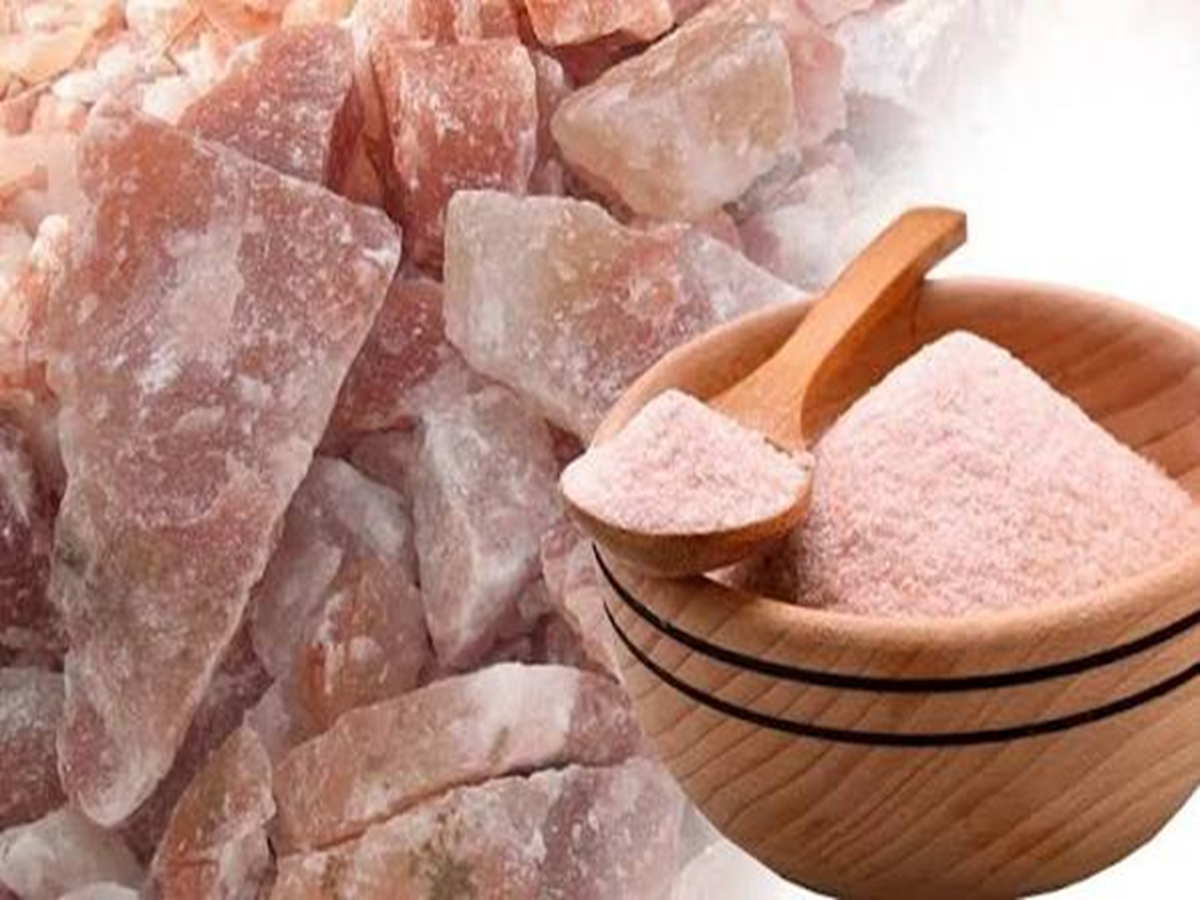
Dietary rules during fasting vary across different religious traditions. Generally, grains, lentils, certain spices, and regular salt are avoided during fasts. Instead, items like fruits, milk, sago (*sabudana*), buckwheat flour (*kuttu*), water chestnut flour (*singhara atta*), and rock salt are used. In many places, rock salt is even referred to as "fasting salt." Religious beliefs deem it suitable for consumption during fasts. However, fasting rules may differ depending on the community, family, and the specific type of fast being observed.
Why is rock salt considered pure?
In religious traditions, rock salt is viewed as a relatively natural and pure form of salt. It is derived from rock deposits and does not undergo the same processing methods as regular sea salt. For this reason, it has long been used in traditional fasting meals. Fasting emphasizes the consumption of "pure and *sattvic*" (wholesome/spiritually pure) food. With this in mind, many consider rock salt more suitable for fasting than regular salt.
Why is rock salt considered pure during fasting?
It is specifically prepared in a laboratory.
It is derived from sea salt.
It has a high iodine content.
It is derived from rock deposits and does not undergo the same processing methods as regular sea salt.
Is rock salt more beneficial for health?
It is often claimed that rock salt is healthier than regular salt. However, this is not necessarily true. Both rock salt (sendha namak) and regular salt consist primarily of sodium chloride. Excessive sodium intake can be harmful to the body in either case. One difference is that iodine is added to regular iodized salt, whereas rock salt is generally not iodized. Therefore, it is not correct to consider rock salt a superior alternative to regular salt for everyday consumption.
How is it used during fasting?
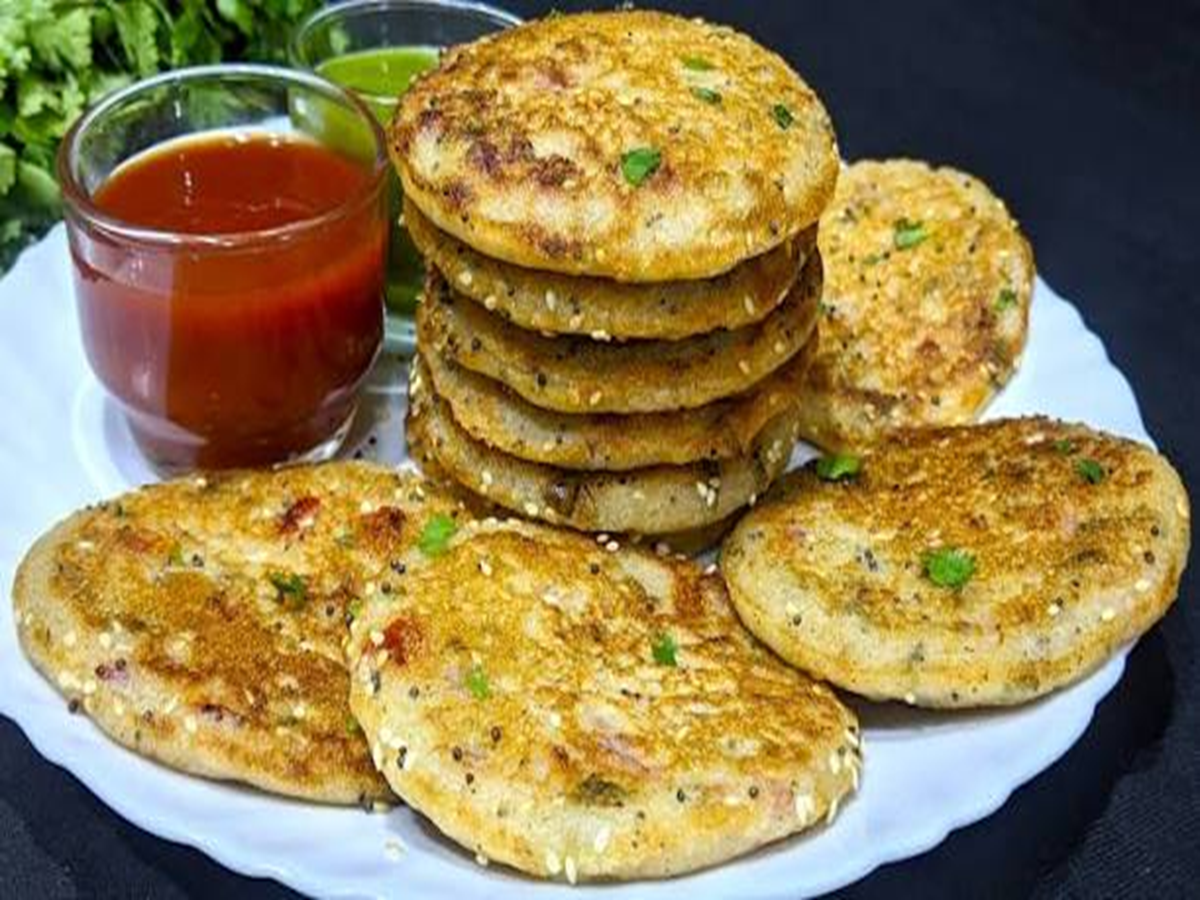
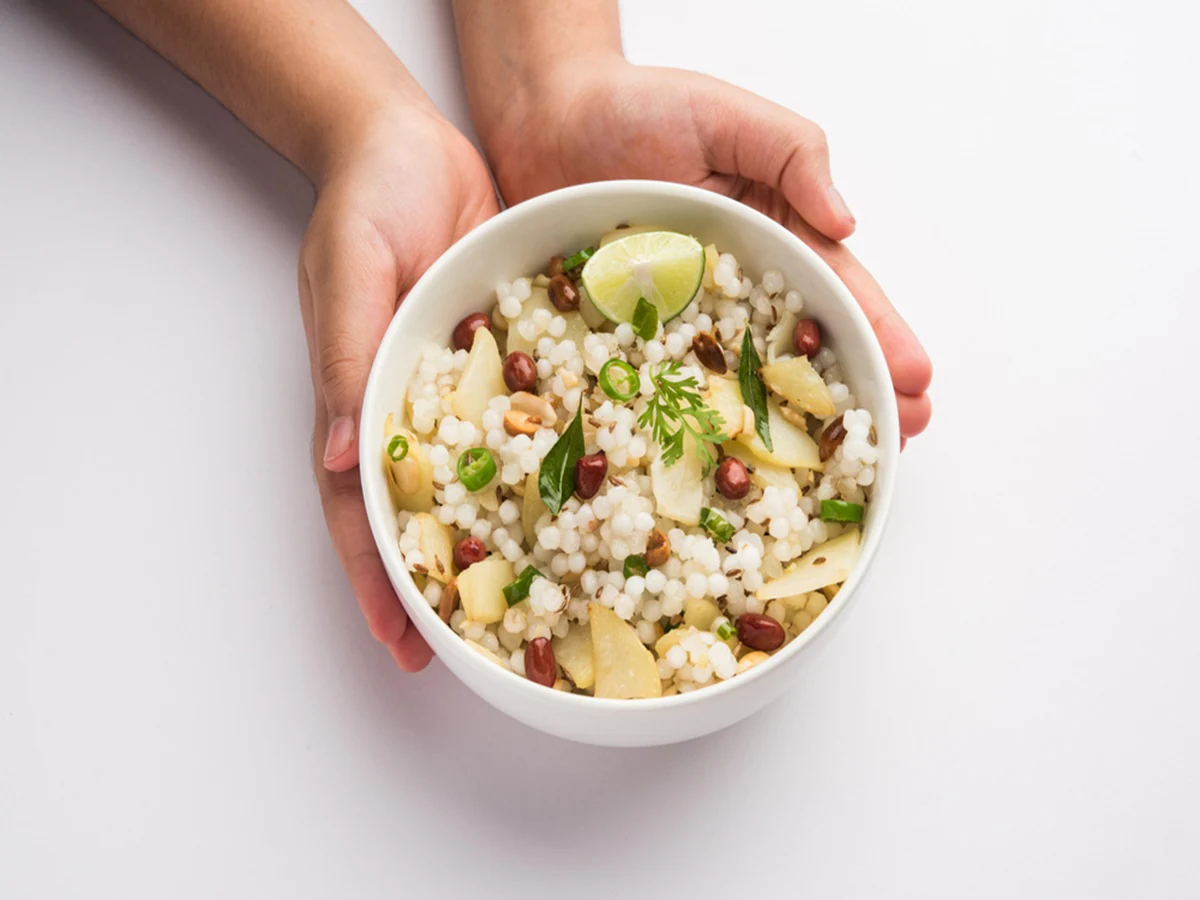
During fasts, rock salt is used to enhance the flavor of dishes such as *sabudana khichdi*, *kuttu* (buckwheat) *puri*, potato curry, fruit chaat, and other fasting-friendly meals. Some people prefer to abstain from salt entirely while fasting. Thus, the use of rock salt during fasts is primarily linked to religious traditions and fasting guidelines; it is not necessarily inherently 'purer' or healthier than regular salt.
PC Social Media