
LIFESTYLE
Red or white dragon fruit? Which one is best for health? Find out the difference between the two..
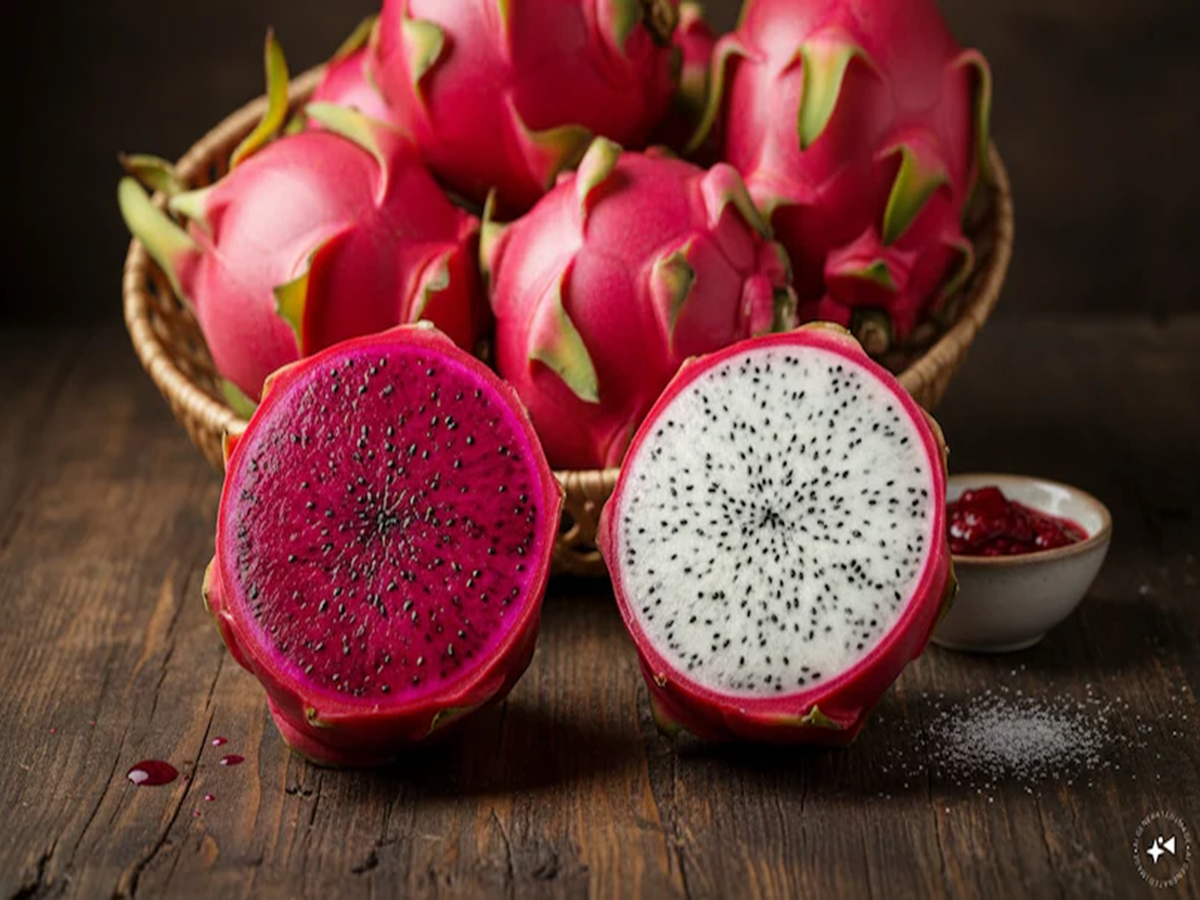
Red vs. White Dragon Fruit: Dragon fruit has become quite popular among people recently. It is primarily available in the market in varieties with either red or white flesh. Although the two fruits may look almost identical from the outside, their internal color and the levels of certain nutrients differ. This raises the question: which dragon fruit—red or white—is more beneficial for your health?
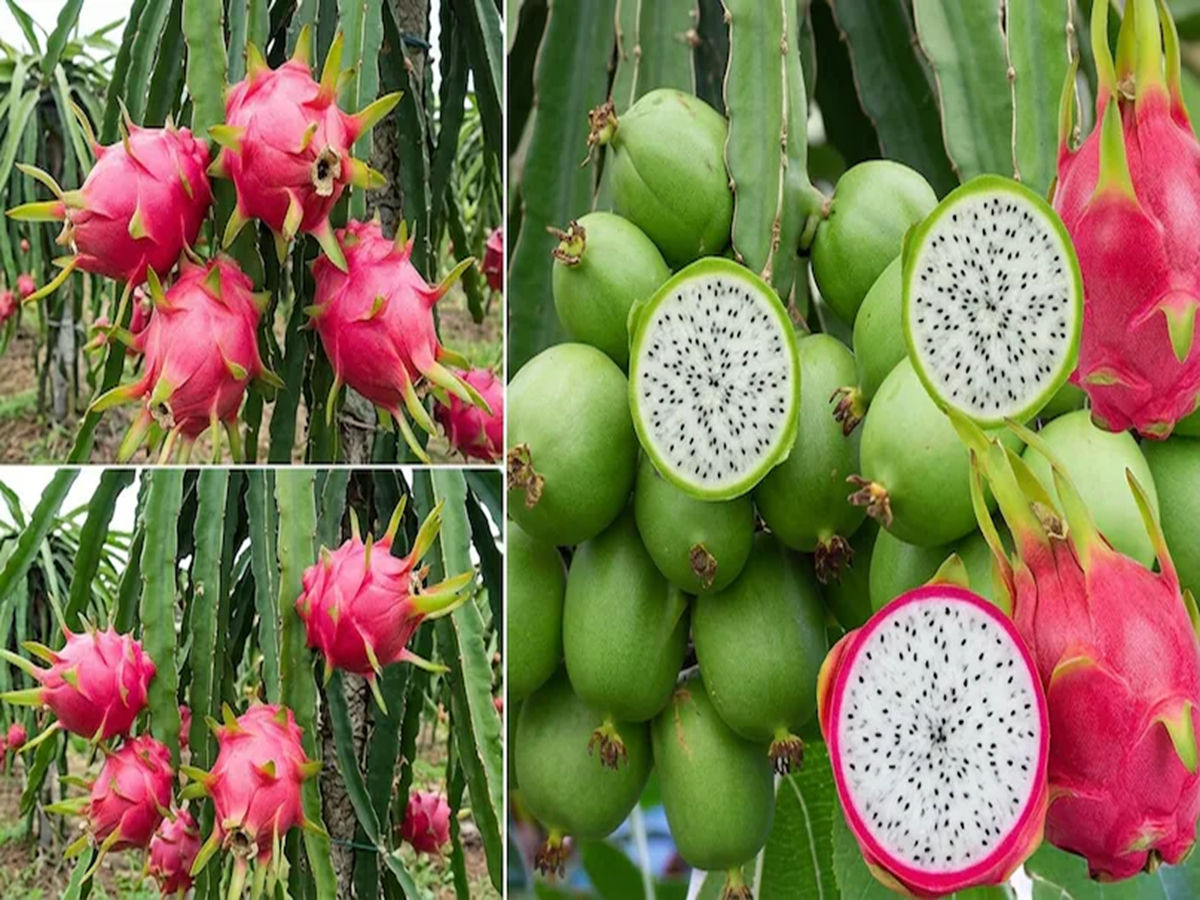
Both red and white dragon fruits belong to the same family and contain water, fiber, and various essential nutrients. White dragon fruit has white flesh with tiny black seeds, whereas the flesh of red dragon fruit can range from pink to red. Its red color is primarily due to natural pigments called 'betalains.' These pigments give it an attractive color and are rich in antioxidants.
Red-fleshed dragon fruit contains antioxidant pigments like betalains. Antioxidants help protect the body against oxidative stress. Additionally, it contains zinc, which can be beneficial for digestive health. However, it would be incorrect to claim—based solely on color—that it is superior to white dragon fruit for everyone.
White dragon fruit has its own benefits as well. The fiber it contains can help promote a feeling of fullness and aid digestion. It also contains vitamins and minerals. Compared to the red variety, its taste is generally milder and less sweet.
If the question is which one is better—red or white—there is no single definitive answer. Both are nutritious fruits that you can include in your diet. While red dragon fruit may offer extra nutritional value due to its higher content of antioxidant pigments, this does not mean that white dragon fruit is any less beneficial. The easiest way to enjoy dragon fruit is to eat it fresh. It can also be added to fruit bowls or smoothies. Like any fruit, it is best consumed in moderation rather than in excessive amounts.
PC Social Media