Food & recipe
Get that tangy flavor in pickles without using vinegar; here is how to preserve carrots and radishes in salted water..
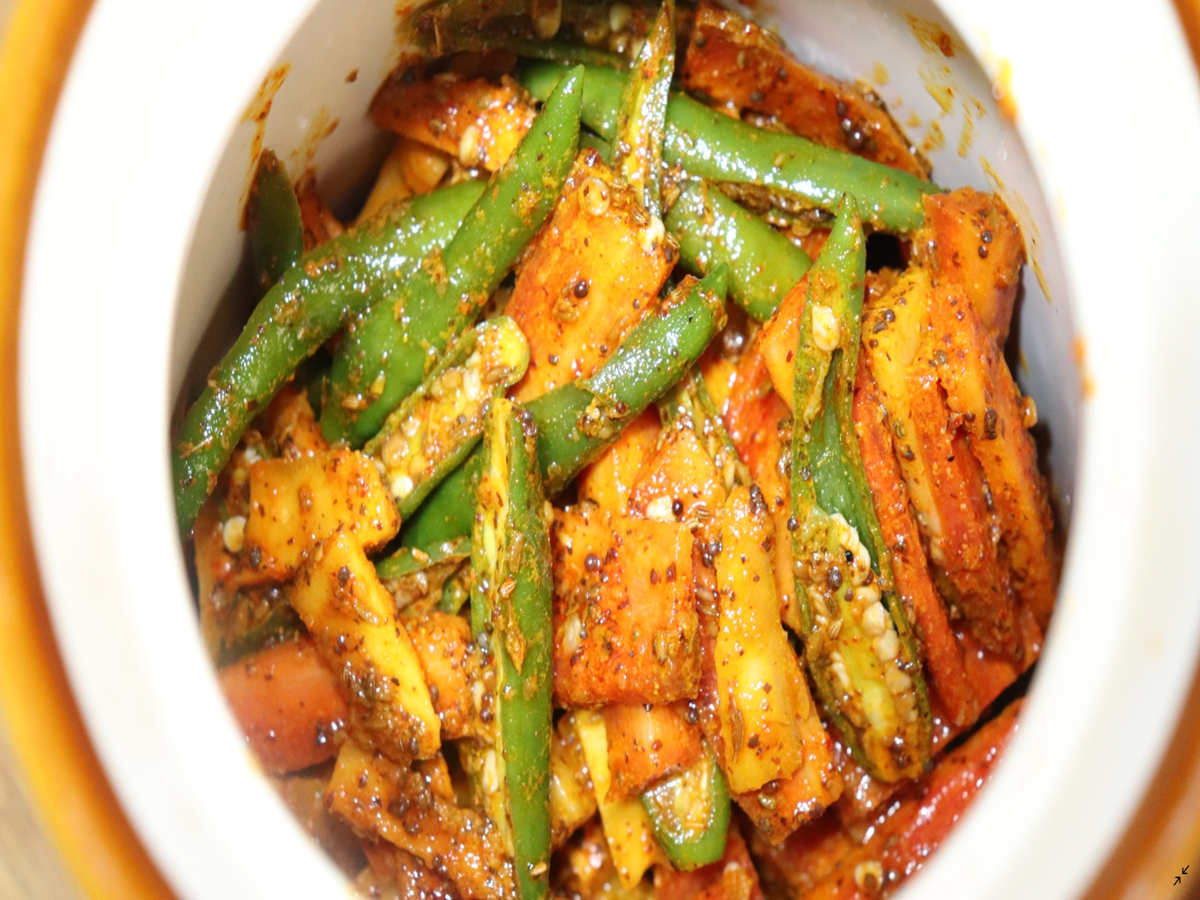
You have likely eaten carrot, radish, and turnip pickles, but have you ever made them using the fermentation method? In this process, vegetables are submerged in salted water for a period of time. During this time, beneficial bacteria present in the vegetables become active, gradually imparting a sour taste to the pickle. This is known as fermentation—a natural process of souring. There is science behind this traditional method, passed down through generations, in addition to the great taste it produces.

Vegetables such as carrots, radishes, turnips, cauliflower, and green chilies can be used to make fermented pickles. The vegetables should be fresh and thoroughly cleaned. After chopping, they are placed in salted water. Spices like mustard seeds, garlic, and ginger can be added for flavor. It is important to ensure the vegetables remain fully submerged in the water; any portion exposed to the air is at risk of spoiling.
Once the vegetables are placed in the salted water, beneficial bacteria begin to work. They gradually convert the natural sugars found in the vegetables into substances that create the pickle's characteristic sourness. This is the fermentation process. It is best to use a clean glass jar for this; both the jar and the spoon used should be thoroughly clean and dry. The time required for the pickle to be ready depends on the weather and temperature.
In this type of pickle, salt serves a purpose beyond just enhancing flavor. It helps inhibit the growth of harmful bacteria and microbes that could spoil the pickle, while simultaneously fostering the growth of beneficial bacteria. Therefore, it is not advisable to arbitrarily reduce the salt content; too little salt increases the risk of spoilage. It is best to use the correct amount of salt as specified in a reliable recipe.
Mona Chawla, who has been making pickles for 50 years, explains that properly prepared fermented pickles can provide beneficial bacteria that support a healthy digestive system. However, this does not mean that every pickle is necessarily beneficial for health or capable of curing an illness. Pickles can have a high salt content, so it is best to consume them in moderation. Individuals advised by doctors to limit their salt intake should exercise particular caution.
The method of pickling vegetables in brine (salted water) has been practiced since the days of our grandmothers. When making pickles at home, try to prepare only the amount that can be consumed within a short period. If a pickle has been stored for a long time and shows signs of mold, do not eat it at all; it is best to discard it. When prepared with proper hygiene and the correct technique, this traditional brine-based pickle offers great taste while evoking nostalgic memories of the past.
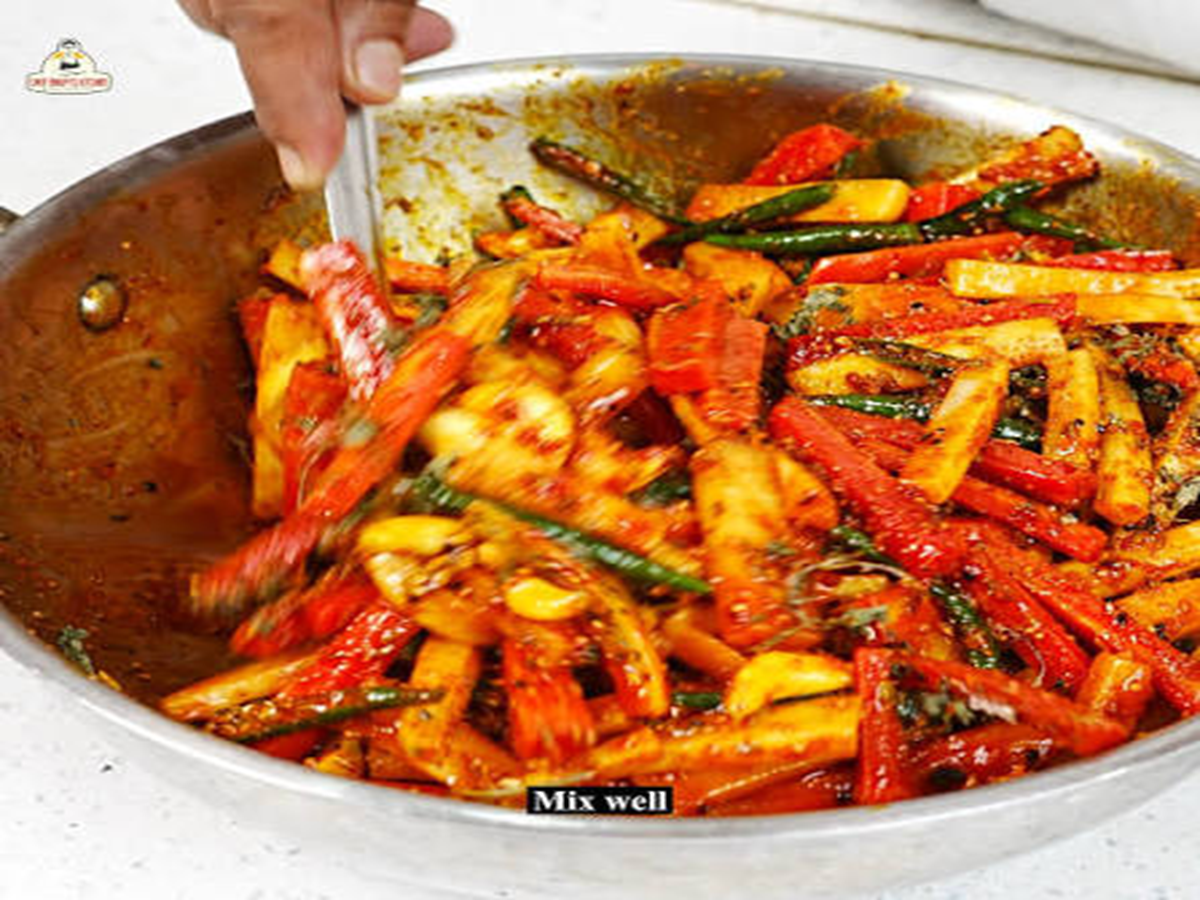
If you are making fermented pickles at home, prioritize hygiene above all else. Use fresh vegetables and ensure the jar is thoroughly cleaned and dried. Keep the vegetables completely submerged in the brine. Store the jar in a location away from excessive heat and direct sunlight. Once the pickle develops the desired tanginess and flavor, it can be stored in a cool place or in the refrigerator, depending on your needs. Most importantly, do not compromise on hygiene or the correct amount of salt just for the sake of taste.
PC Social Media