
LIFESTYLE
Overtourism is ruining the mountains: Opt for 'off-season' travel and new destinations instead of popular spots..
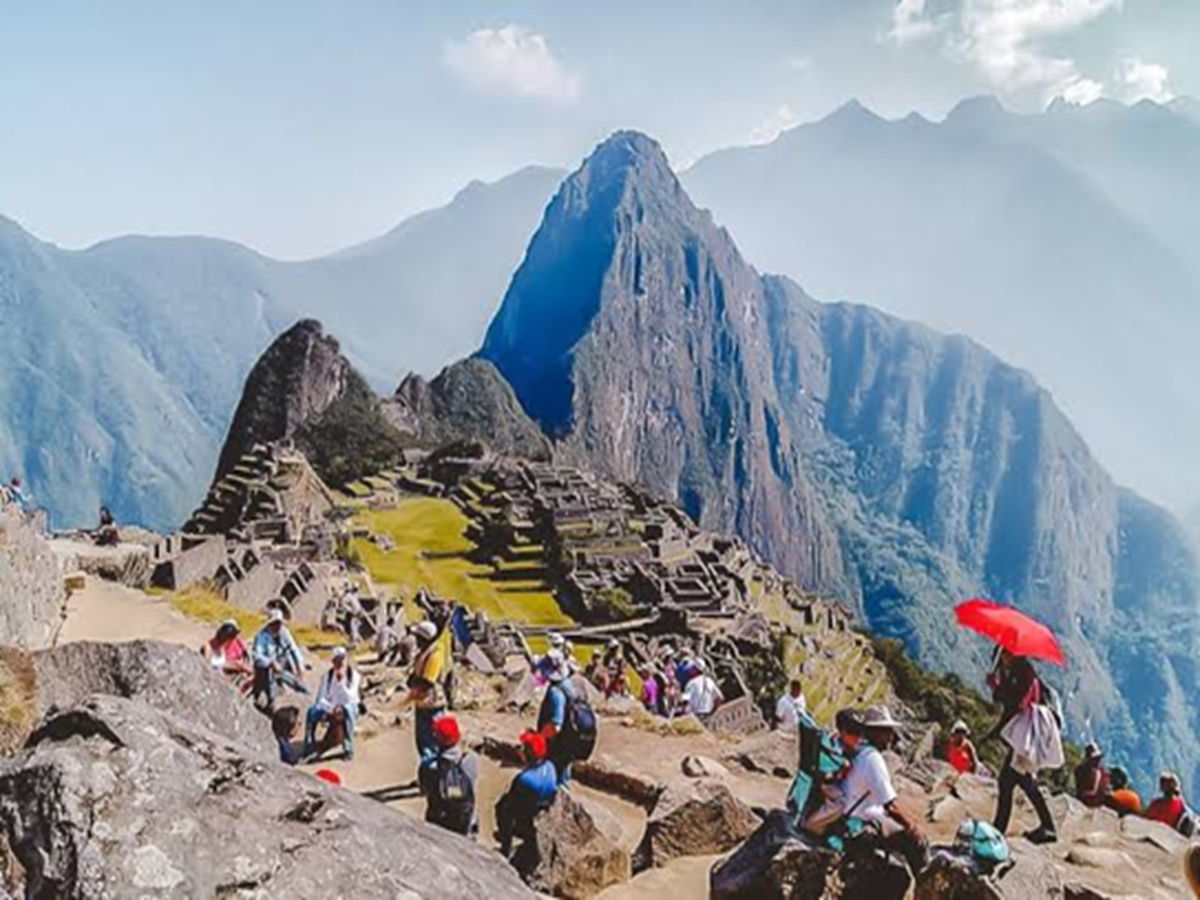
In the past, people used to plan trips or travel only occasionally or during holidays. However, thanks to affordable and convenient travel options, people are now traveling domestically and internationally far more than before. While traveling provides valuable exposure, it also contributes to the problem of "overtourism." In this article, we will explore the issues caused by this phenomenon and discuss how we can avoid contributing to it.

**What the statistics say**
Over the last few decades, the number of tourists has risen sharply due to affordable flights and the expanding global middle class. In 2019, while Goa received 80,000 tourists, Alleppey in Kerala alone saw an influx of over 1.5 million visitors. A similar situation prevails in mountain regions.
**The impact**
Natural ecosystems are destroyed
Plastic and other forms of waste accumulate significantly
Water resources are overused
Local flora and fauna are adversely affected
Authentic experiences become commercialized
Communities begin to lose their unique identity
City traffic becomes unmanageable
Public places become overcrowded
Goods and services become more expensive for locals
**4 ways to avoid contributing to this problem**
**Travel during the off-season:** If you wish to visit a popular destination but want to avoid the crowds, travel during the off-season rather than the peak season. This allows you to explore the location more thoroughly while avoiding the pitfalls of overtourism.
**Adopt a different approach:** Instead of spending all your time at a city's famous landmarks, explore the surrounding rural areas or lesser-known spots. This unique style of travel offers a fresh perspective and a distinct experience of the famous destination.
**Smaller is better:** Traveling in large groups or on massive cruise ships impacts the environment. Opting for small groups or solo travel provides a more personal experience, allowing you to connect more closely with the destination. You will also enjoy a better experience with local restaurants, cafes, and accommodation options.
Visit alternative destinations: Plan trips to places that rarely feature on people's bucket lists but rely heavily on tourism for their economy. Countries like Nepal, Bhutan, and Sri Lanka can be excellent choices.
Opt for local: When selecting a tour, ensure that it involves mostly local people who can guide you on how to explore the region in a more sustainable manner.
PC Social Media