
LIFESTYLE
H1N1 Alert: Know the preventive measures against swine flu before it strikes—could a moment of negligence prove fatal?

While Delhi-NCR is currently facing the threat of mosquito-borne diseases, recent reports have also issued alerts regarding cases of H1N1, or swine flu.
Data indicates a nearly six-fold increase in H1N1 influenza cases compared to last year. Health experts have warned the public about the rising risk of swine flu, noting that it can be particularly dangerous for children, the elderly, and pregnant women.
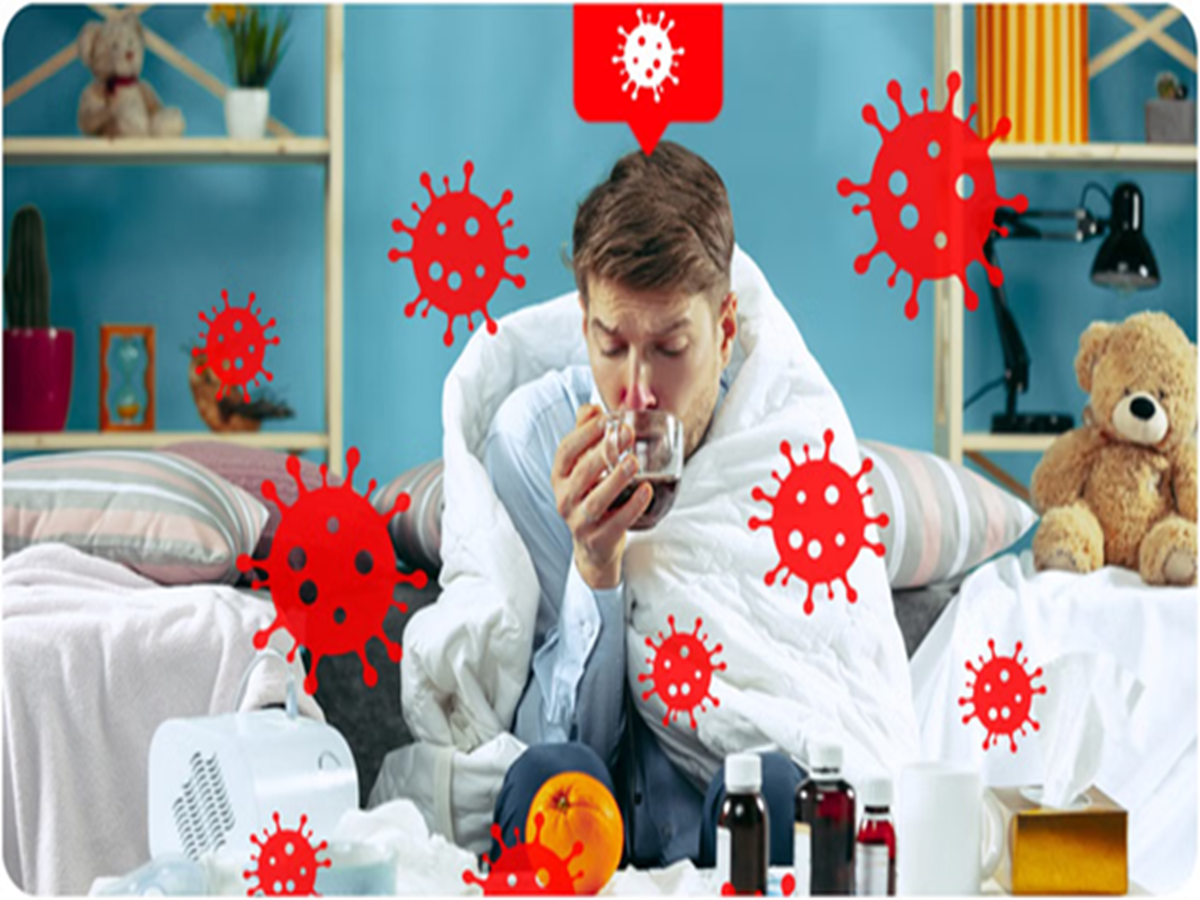
Swine flu is a contagious respiratory illness caused by a subtype of the Influenza A virus. It spreads from person to person through respiratory droplets released during coughing or sneezing. Earlier, in June, a sharp rise in H1N1 cases was observed in Karnataka, resulting in one fatality. Given these risks, health experts advise everyone to exercise caution.
Alert Regarding Swine Flu Cases
Health experts note that a large number of people are already visiting hospitals during this rainy and humid season, complaining of fever, cough, sore throat, and body aches. Amidst this, the emergence of H1N1 cases has further heightened concerns.
It is important to note that swine flu is not a new virus; it now circulates globally as a seasonal flu virus.
For most people, the infection remains mild, and they recover within a few days. However, it is unwise to dismiss any flu as merely ordinary.
The infection can become severe in young children, the elderly, pregnant women, and individuals with pre-existing chronic conditions such as asthma, heart disease, or diabetes.
In some cases, the infection can spread to the lungs, leading to pneumonia, breathing difficulties, and other serious complications.
What symptoms are observed in infected individuals?
Initially, H1N1 symptoms appear similar to those of the common flu. Infected individuals often experience high fever accompanied by a dry cough, sore throat, runny nose, headache, and muscle pain.
In children, it can also cause vomiting or diarrhea.
In severe cases, H1N1 can be life-threatening. Influenza can sometimes lead to complications like pneumonia, which may require hospitalization.
Generally, most people recover easily from an H1N1 infection.

What precautions should be taken?
Health experts advise that, given the risks associated with H1N1, everyone should take precautions to protect themselves.
The infection spreads primarily through droplets released when an infected person coughs or sneezes; therefore, one should maintain distance from anyone suffering from a cold or flu.
There is also a risk of transmission via hands and surfaces, making frequent hand cleaning essential.
Wearing a mask in crowded places, maintaining hand hygiene, and covering the mouth and nose while coughing or sneezing are crucial measures.
PC Social Media