LIFESTYLE
Krishna Janmashtami: Be sure to perform this simple remedy on Janmashtami; Kanha's blessings will be showered upon you..
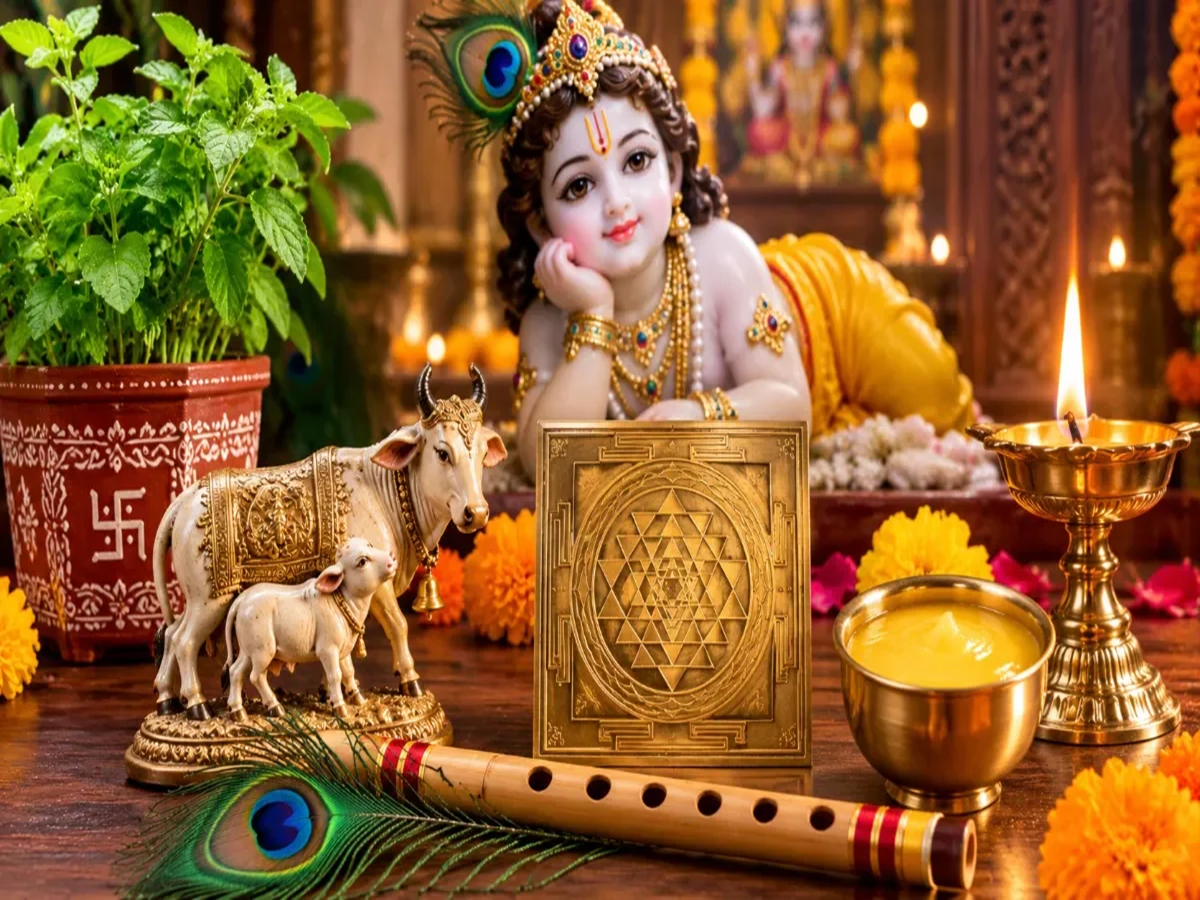
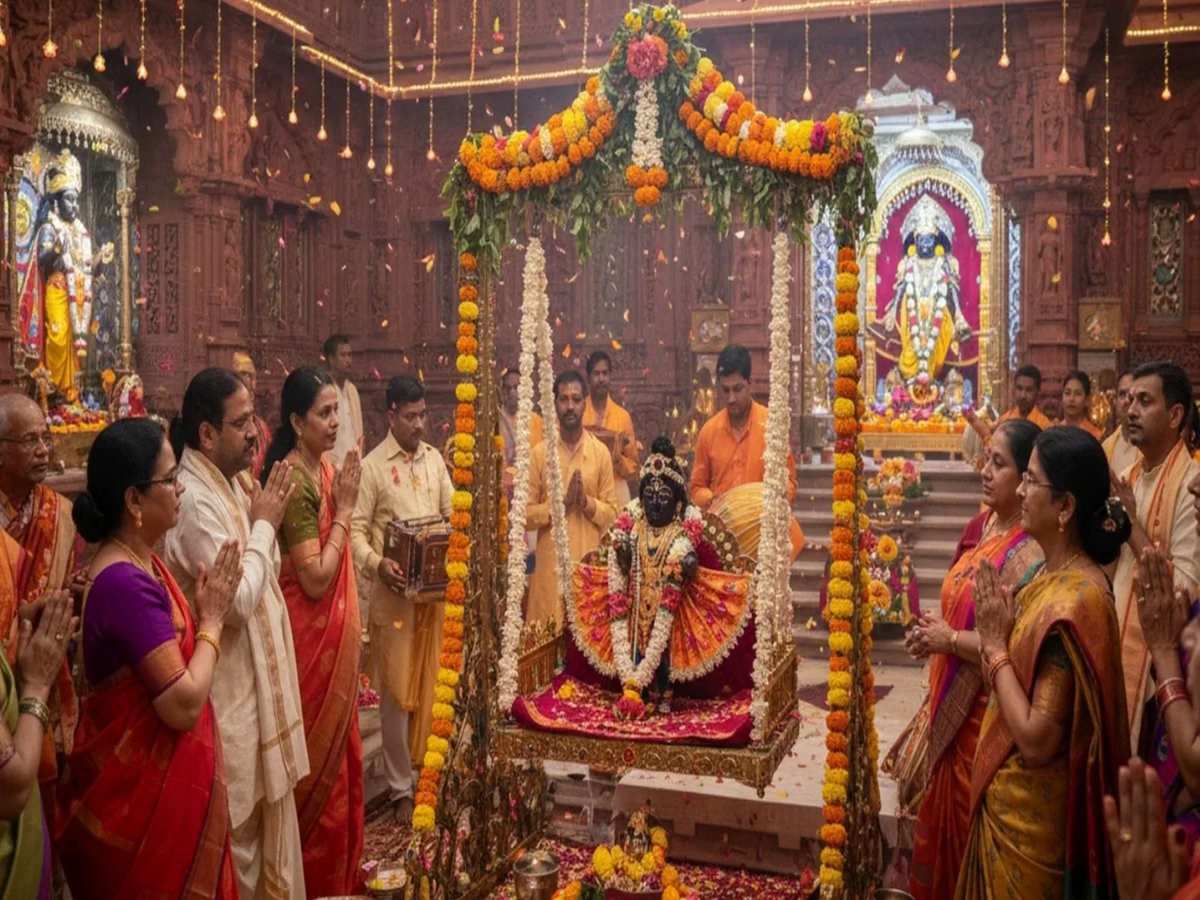
Krishna Janmashtami Remedies: The festival of Janmashtami celebrates the birth of Lord Krishna. Preparations for worshipping 'Kanha' (Lord Krishna) begin in homes early in the morning. In some places, new clothes and a decorated swing are prepared for the 'Laddu Gopal' idol, while elsewhere, offerings like *makhan-mishri* (butter and rock sugar) and other delicacies are readied. Devotees observe a fast on this day and perform rituals at midnight—the time of Lord Krishna's birth. According to religious beliefs, certain simple remedies performed on Janmashtami are considered auspicious. It is said that performing these acts with devotion fosters happiness, peace, and a positive atmosphere in the home.
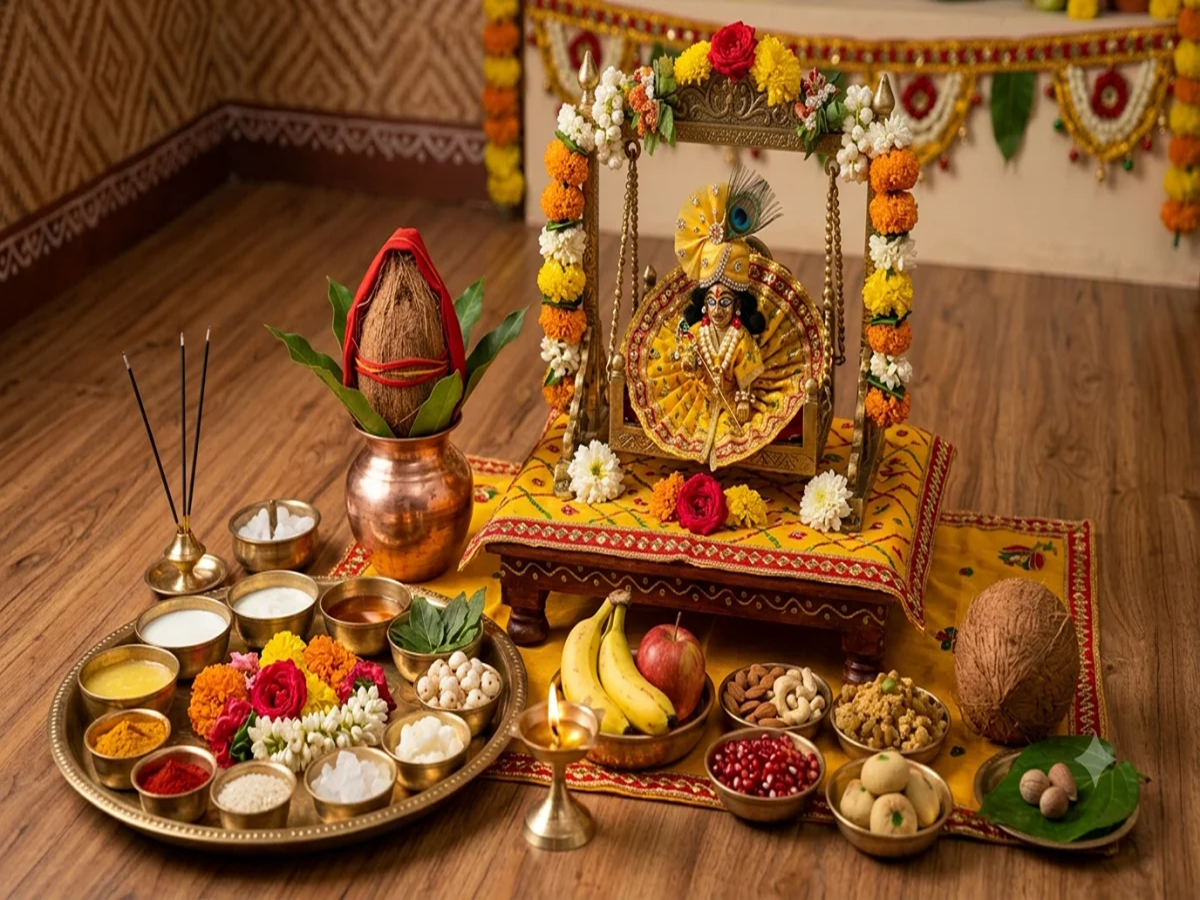
Astrologer Akhilesh Pandey explains that offering Lord Krishna his favorite foods is considered one of the easiest remedies. One should certainly offer *makhan-mishri* to Kanha during the worship. Offering *Tulsi* (holy basil) leaves is also considered auspicious; religious belief holds that *Tulsi* is extremely dear to Lord Vishnu and Lord Krishna, which is why the tradition of including *Tulsi* leaves in the offering is long-standing. Ensure that the *Tulsi* leaves are clean and intact, and offer them to the deity with devotion. Additionally, yellow flowers can be used in the worship. Since the color yellow is beloved by Lord Krishna, offering yellow flowers on Janmashtami is considered auspicious. If yellow flowers are unavailable, the worship can be performed with ordinary flowers as well.
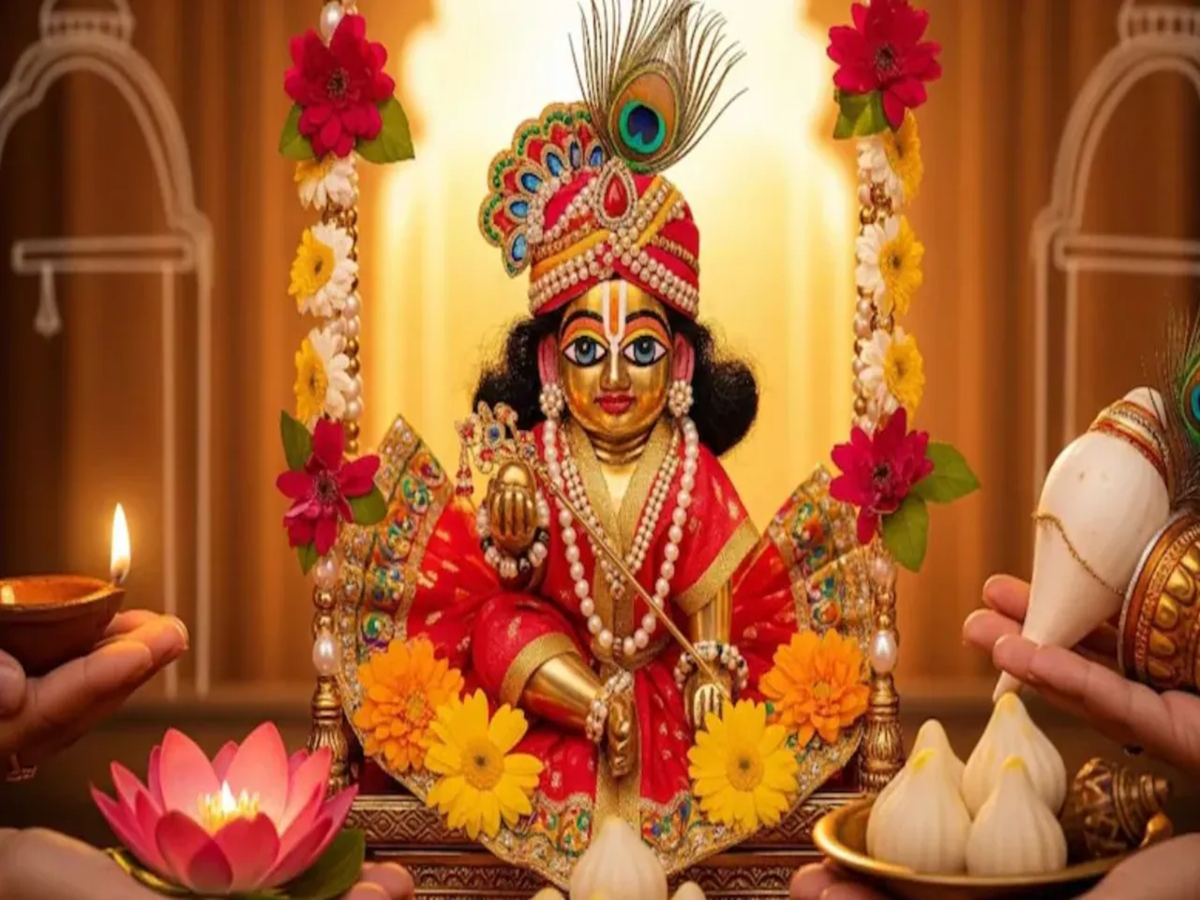
Bathe Laddu Gopal and dress Him in new clothes.
There is a special tradition of worshipping Lord Krishna at midnight—the time of His birth—on Janmashtami. At this time, bathe the idol of the Lord (or Laddu Gopal) and dress Him in new clothes. Afterward, offer sandalwood paste, flowers, *Tulsi* leaves, and the *bhog* (food offering). Light a lamp in the home shrine and perform the *Aarti* of Lord Krishna. Chanting Lord Krishna's mantras is also a beneficial practice on Janmashtami; you may chant the mantra "Om Namo Bhagavate Vasudevaya" at your convenience. It is believed that chanting the Lord's name brings peace to the mind and creates an atmosphere filled with devotion. There are no complex rules required for this practice. Sitting quietly for a while and chanting the mantra with devotion is also considered highly beneficial.
A Tulsi plant will bring peace to the home.
Planting a Tulsi (holy basil) plant at home on Janmashtami is considered auspicious from a religious perspective. Tulsi is revered as a sacred plant in Hinduism and is believed to have a special connection with Lord Krishna. If you already have a Tulsi plant at home, clean the area around it and light a lamp near it in the evening. Additionally, planting a banana plant is also considered auspicious. According to religious beliefs, the banana plant is associated with Lord Vishnu. If there is space available, one can plant a banana tree around the time of Janmashtami; this adds greenery to the home and is regarded as auspicious in terms of religious faith.
Sandalwood paste, saffron, and rose water can also be used during the Janmashtami puja. It is believed that using these to adorn Lord Krishna brings good fortune. During the worship, one can apply a *tilak* of sandalwood and saffron and offer rose water.
PC Social Media