LIFESTYLE
Janmashtami Vrat Vidhi: How to observe the Janmashtami fast? Learn the rules regarding everything from dietary guidelines to the *Bhog*..
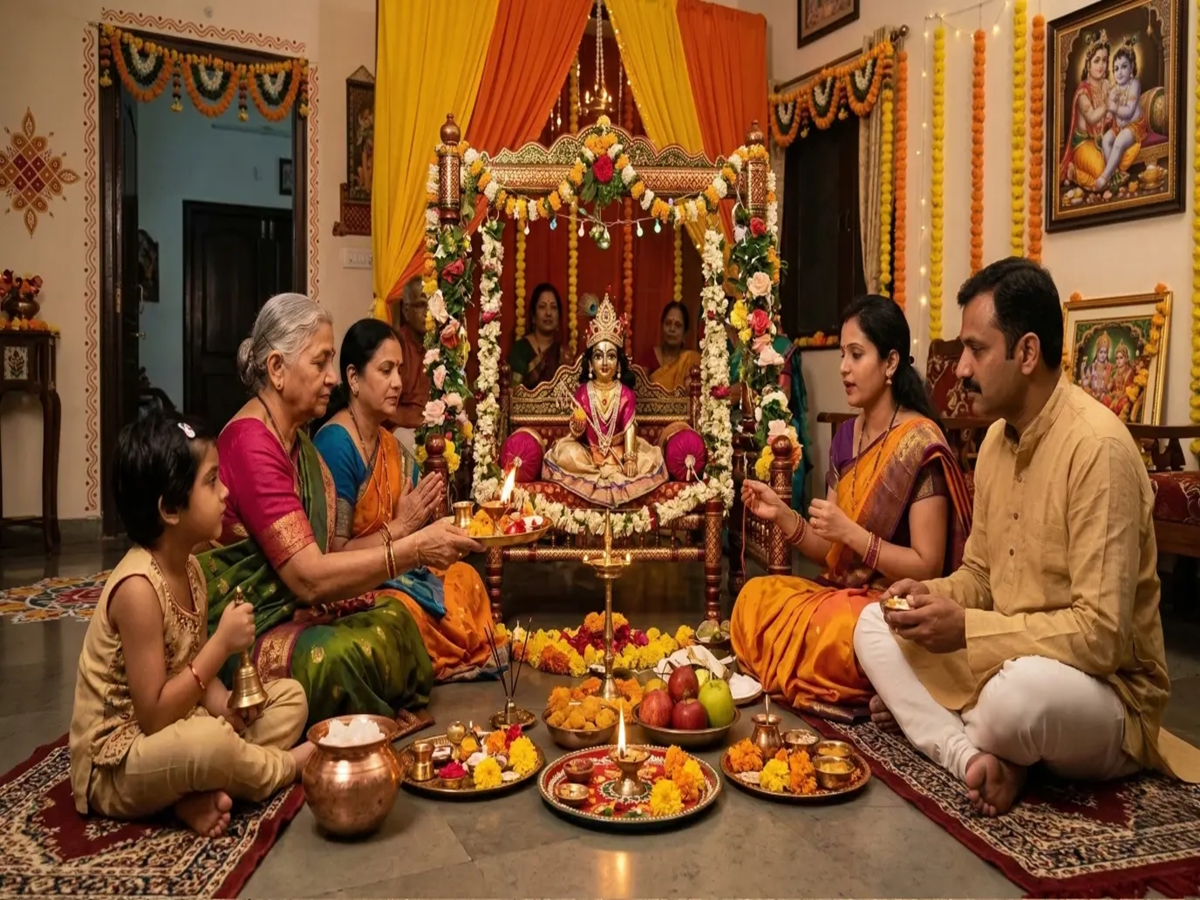
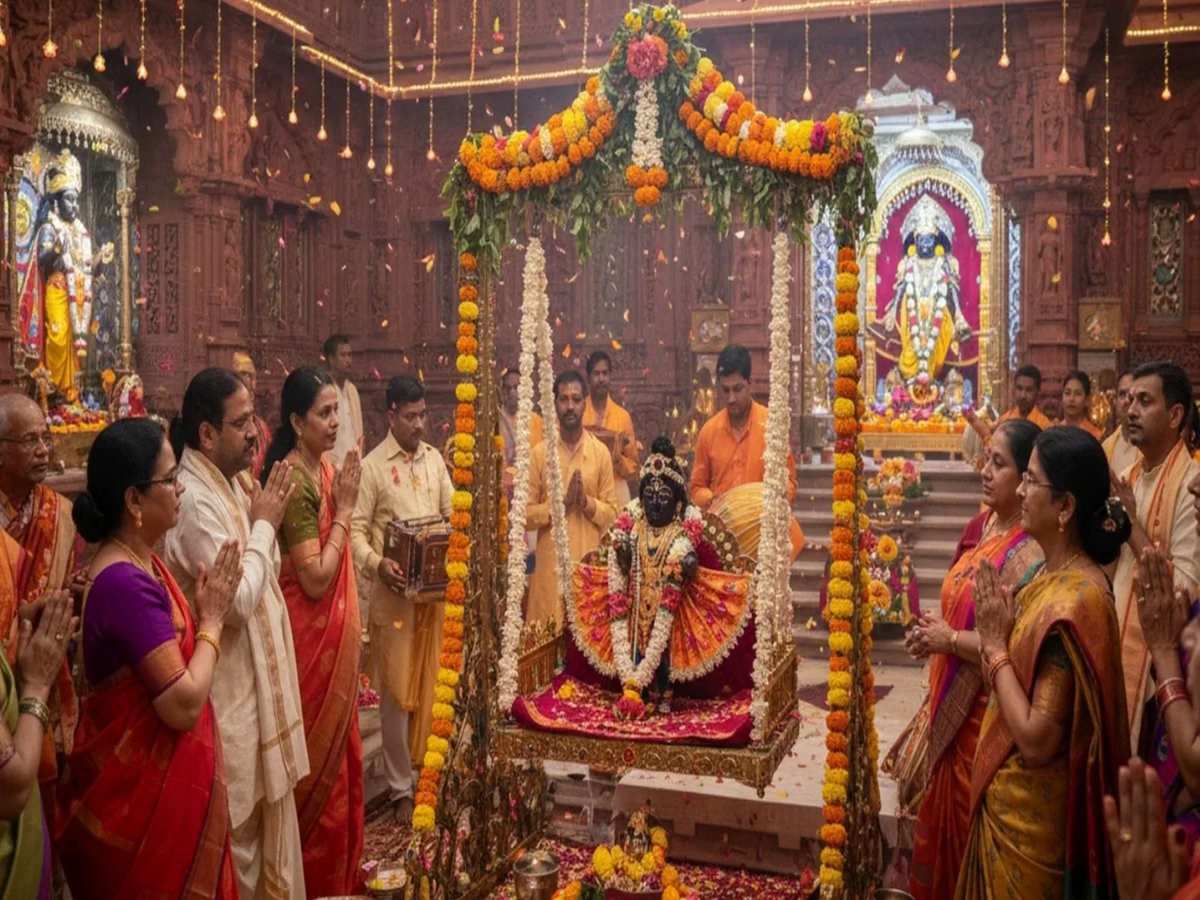
Krishna Janmashtami 2026 – Fasting Rituals: Krishna Janmashtami will be celebrated with great enthusiasm across the country on Friday, September 4; preparations in temples and homes are nearly complete. This festival is observed annually on the *Ashtami* (eighth day) of the dark fortnight (*Krishna Paksha*) of the *Bhadrapada* month, coinciding with the *Rohini Nakshatra*. In most Hindu households, devotees observe a fast with deep faith and devotion to mark the birth anniversary of Lord Krishna. It is believed that meditating on Lord Krishna, worshipping Him, chanting mantras, and performing rituals at the time of His birth (midnight) on this day yields special spiritual merit. If you are observing the Janmashtami fast, you can follow specific guidelines ranging from taking a solemn vow (*Sankalp*) in the morning to the midnight worship and the breaking of the fast (*Paran*).
**How to Begin the Fast in the Morning**
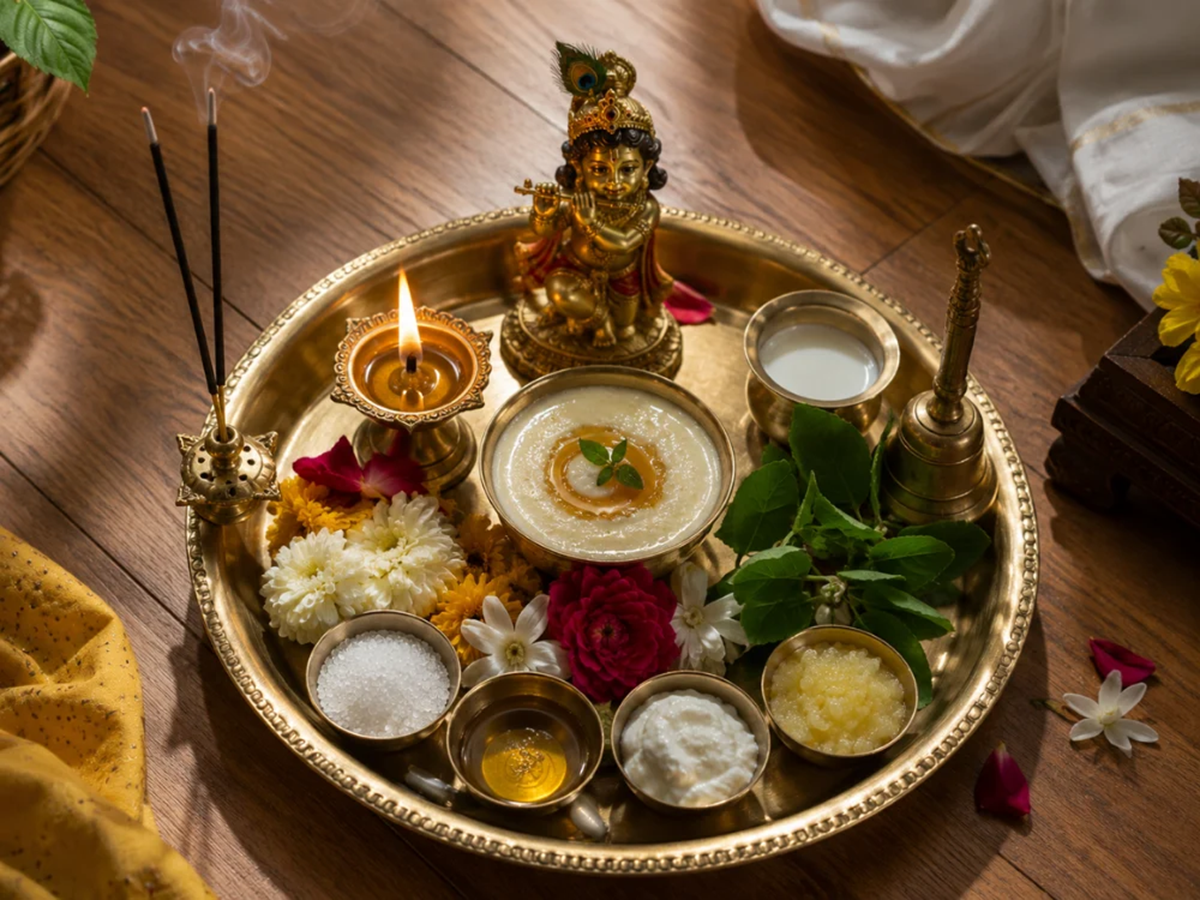
On the day of Janmashtami, wake up early, bathe, and wear clean clothes. Afterward, clean the place of worship and meditate on Lord Krishna. Hold water in your palm and take a vow (*Sankalp*) to observe the fast according to your faith and capacity. Light a lamp in your home shrine, worship Lord Krishna, and chant His mantras throughout the day. Depending on their traditions, observers may choose to fast without water (*Nirjala*), consume only water (*Jalahar*), or eat fruits (*Phalahar*). Those with health issues should avoid strict fasting.
**What to Eat and What to Avoid on Janmashtami?**
Devotees observing a fruit-based fast (*Phalahar*) may consume milk, curd, fruits, fox nuts (*makhana*), sago (*sabudana*), water chestnut flour (*singhara*), buckwheat flour (*kuttu*), and dry fruits. Rock salt (*sendha namak*) may be used. Regular grains, rice, lentils, wheat, and certain spices commonly used in households are avoided during the fast. However, dietary rules for the fast may vary across traditions; therefore, it is advisable to follow the dietary practices specific to your family and religious customs.
**Offerings (*Bhog*) for Lord Krishna**
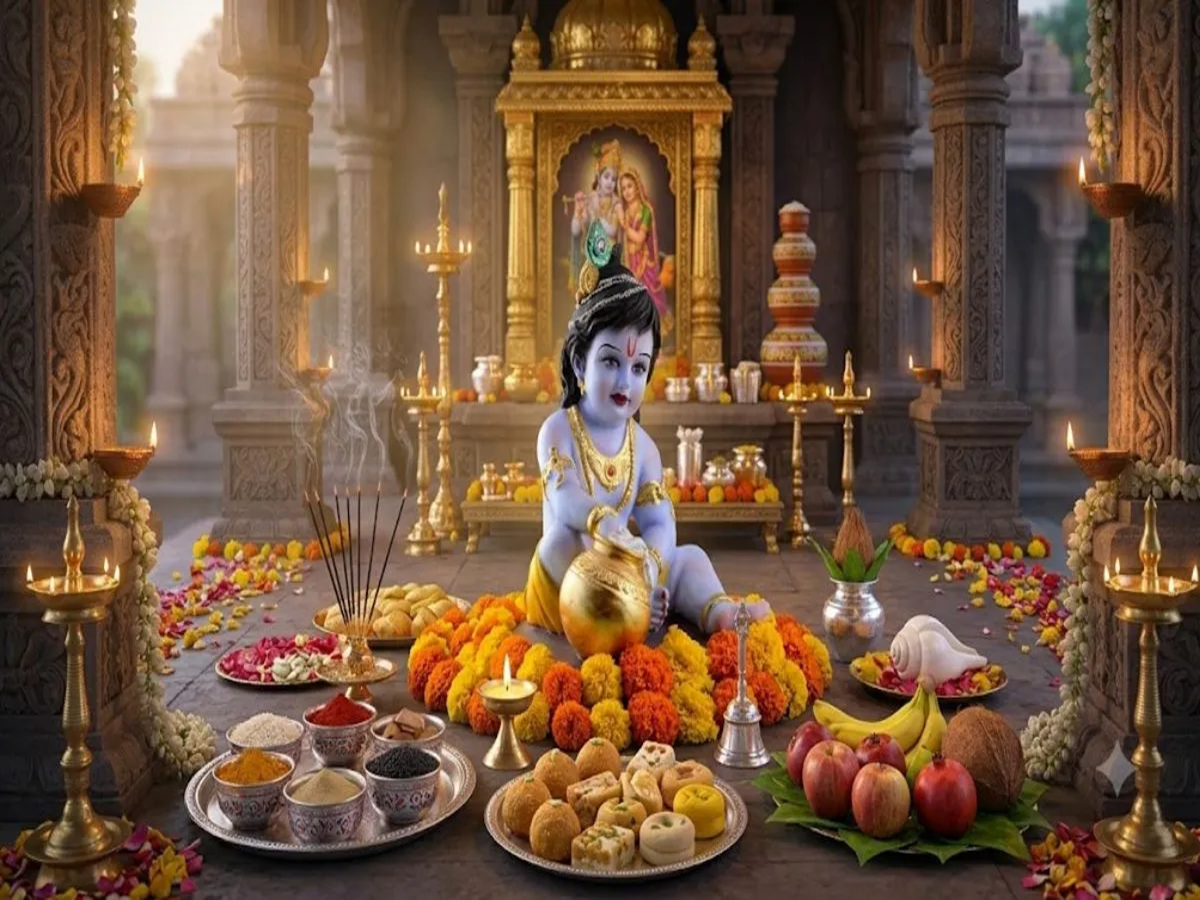
On Janmashtami, the offering (*Bhog*) of *Makhan-Mishri* (fresh white butter and rock sugar) is considered especially dear to Lord Krishna. Additionally, offerings such as milk, curd, *Panjiri*, coriander *Panjiri*, fruits, sweets, and *Panchamrit* can be made. Placing a *Tulsi* leaf (*Tulsi Dal*) in the offering is also an integral part of the tradition. Ensure that the *Bhog* (ritual food offering) is prepared using *Sattvic* and pure ingredients.
**Perform the Janmashtami Puja at Midnight**
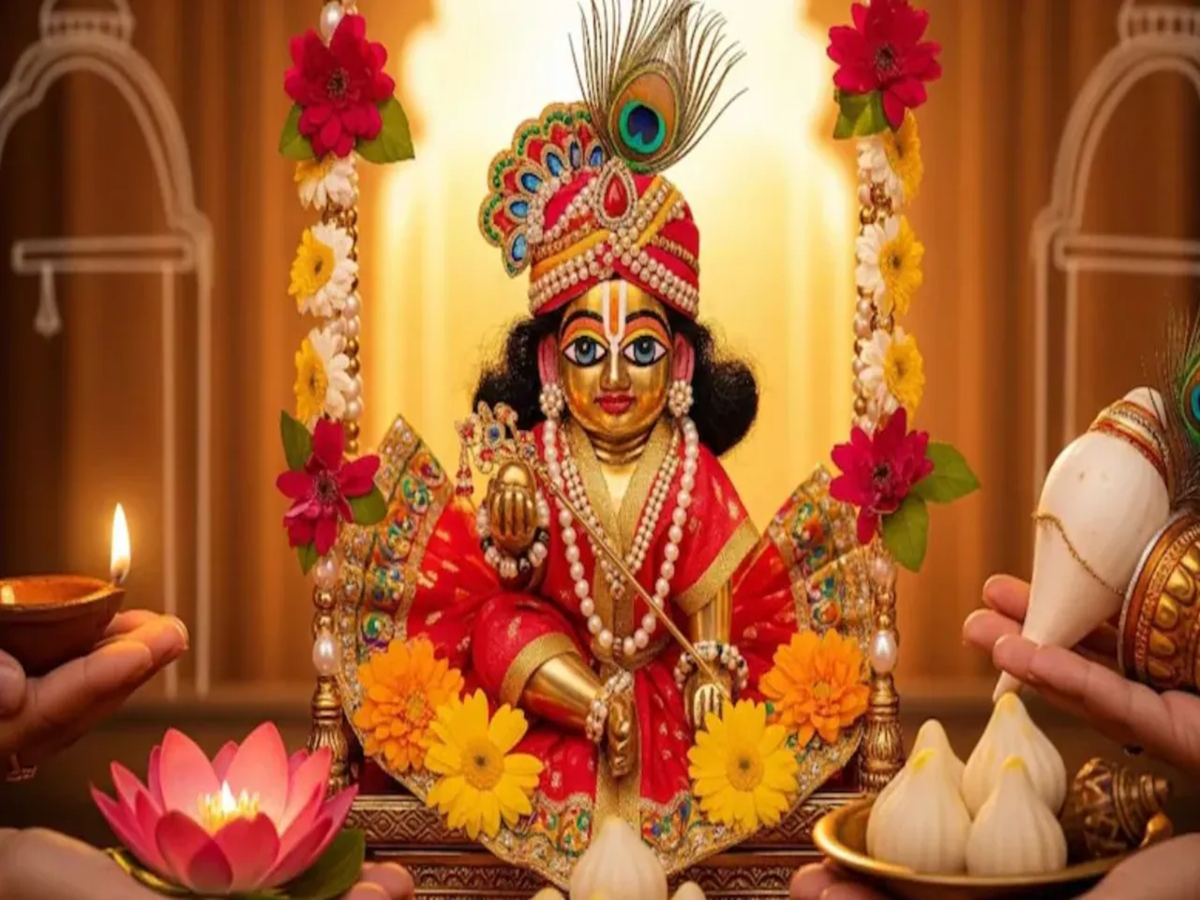
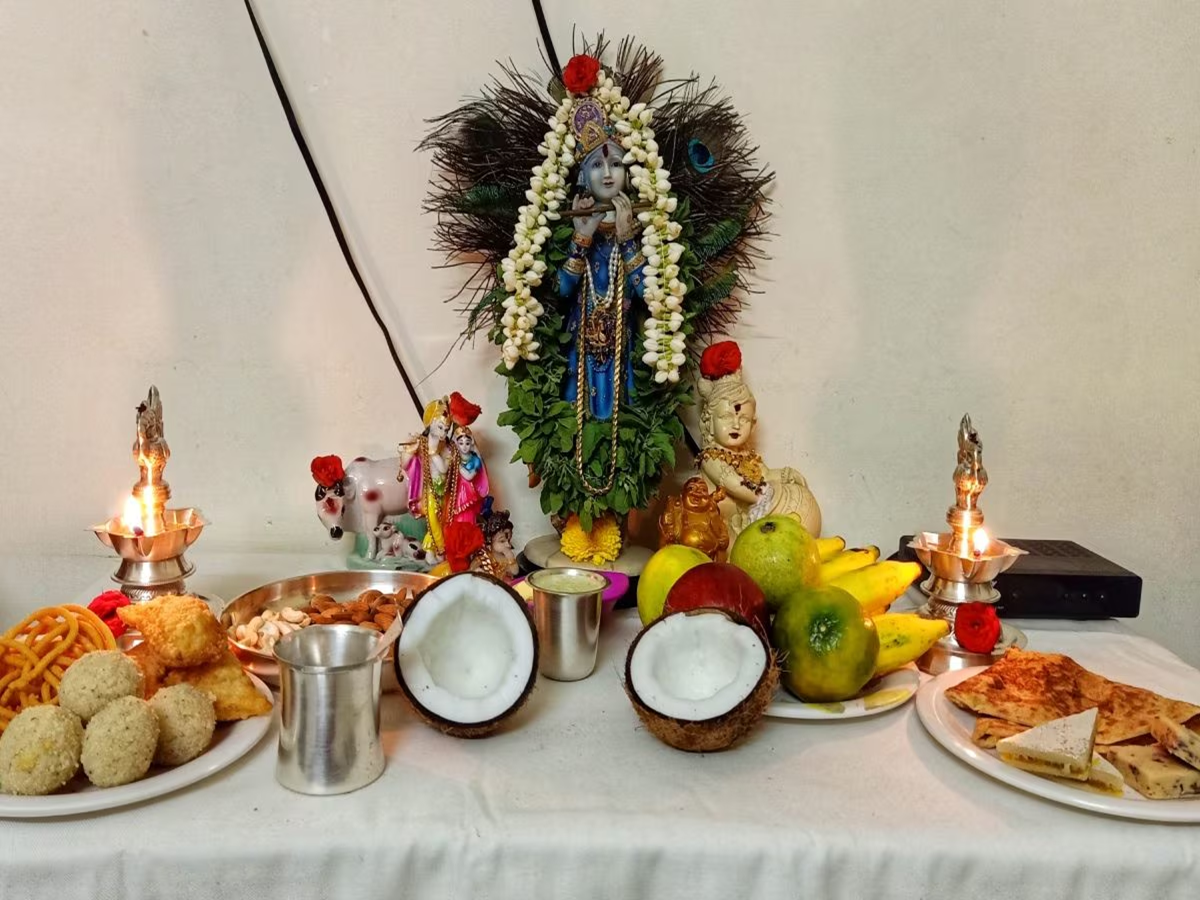
Worship performed at night, coinciding with the time of Lord Krishna's birth, holds special significance. First, place the idol of *Bal Gopal* (infant Krishna) in a clean, designated spot. In accordance with tradition, perform the *Abhishek* (ceremonial bathing) using *Panchamrit* and *Gangajal* (holy water from the Ganges). Afterward, dress the deity in new clothes and adorn Him with a crown, a peacock feather, and jewelry. Offer sandalwood paste, *Akshat* (unbroken rice grains), flowers, and *Tulsi* leaves to the Lord. Offer *Bhog*, including *Makhan-Mishri* (fresh butter and rock sugar). Finally, light incense and a *diya* (lamp), perform the *Aarti* of Lord Krishna, and recite the Janmashtami story or chant mantras dedicated to Him.
**When Should the Fast Be Broken?**
The fast is broken (*Paran*) after the worship and *Aarti*, in accordance with one's specific traditions. Some people consume *Prasad* immediately after the midnight birth-celebration puja, while other traditions dictate breaking the fast at a specific time the following day. Therefore, it is advisable to break the fast according to the customs prevalent in your region and family.
PC Social Media