LIFESTYLE
From Moringa paratha to makhana: Here are 9 things about PM Narendra Modi's diet that keep him fit..
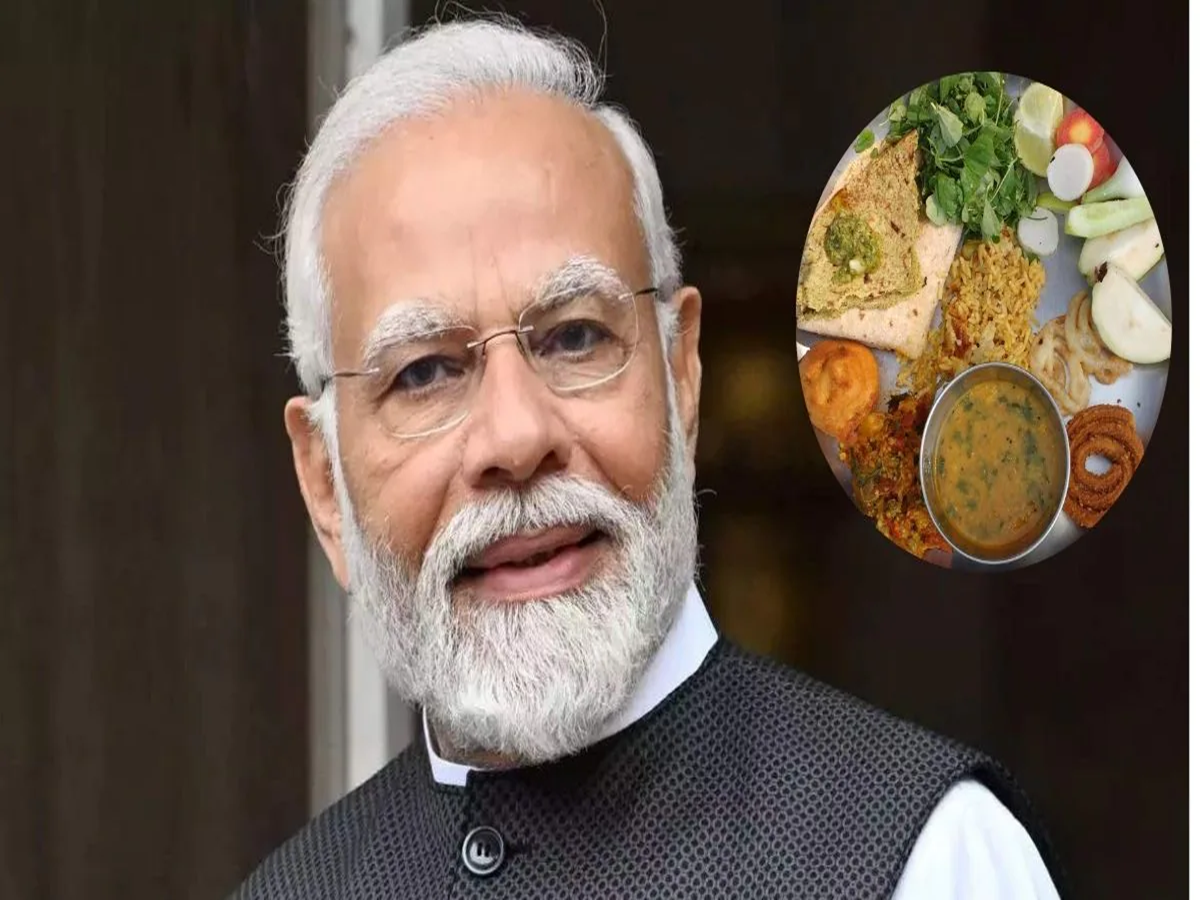
Prime Minister Narendra Modi is known for his busy schedule and disciplined lifestyle. His fitness is frequently a topic of discussion, and the simplicity of his diet also draws public attention. However, PM Modi himself has clarified on several occasions that he does not follow a fixed diet plan. During the 'Pariksha Pe Charcha' event in 2026, he mentioned that he follows a vegetarian diet and eats whatever is available. He also shared that he used to cook *khichdi* himself at times.
Public statements and media reports often mention specific traditional Indian foods associated with his diet. These range from *makhana* (fox nuts) and millets to *moringa paratha* and *khichdi*. Notably, these items have long been staples in Indian kitchens and are rich in various nutrients.
*Makhana* is one of the most prominent items in PM Modi's diet. During an event in Bhagalpur, Bihar, he stated that he consumes *makhana* on at least 300 days of the year. Describing it as a 'superfood,' he also spoke about the *makhana* farmers of Bihar and the potential for its global market. *Makhana* is generally considered a light snack; roasting it is a popular way to consume it. It contains protein and essential minerals, although it is best consumed in moderation.
*Makhana* is one of the most prominent items in PM Modi's diet. During an event in Bhagalpur, Bihar, he stated that he consumes *makhana* on at least 300 days of the year. Describing it as a 'superfood,' he also spoke about the *makhana* farmers of Bihar and the potential for its global market.
*Makhana* is generally considered a light snack; roasting it is a popular way to consume it. It contains protein and essential minerals, although it is best consumed in moderation. Moringa (drumstick) leaf paratha is one of the dishes most famously associated with PM Modi's preferences; he has even mentioned his fondness for it on social media. Moringa leaves are rich in fiber, vitamins, and antioxidant compounds, which is why they are consumed in Indian cuisine as a nutritious green leafy vegetable.
Khichdi Recipe: Khichdi is perhaps one of the simplest and most comforting meals in Indian households, and PM Modi has spoken about it as well. He once shared that during his early days, while dining at various homes, he would eat whatever vegetarian food was available and would sometimes cook khichdi himself. The combination of rice and lentils provides carbohydrates and protein, and the dish can be made even more nutritious by adding vegetables.
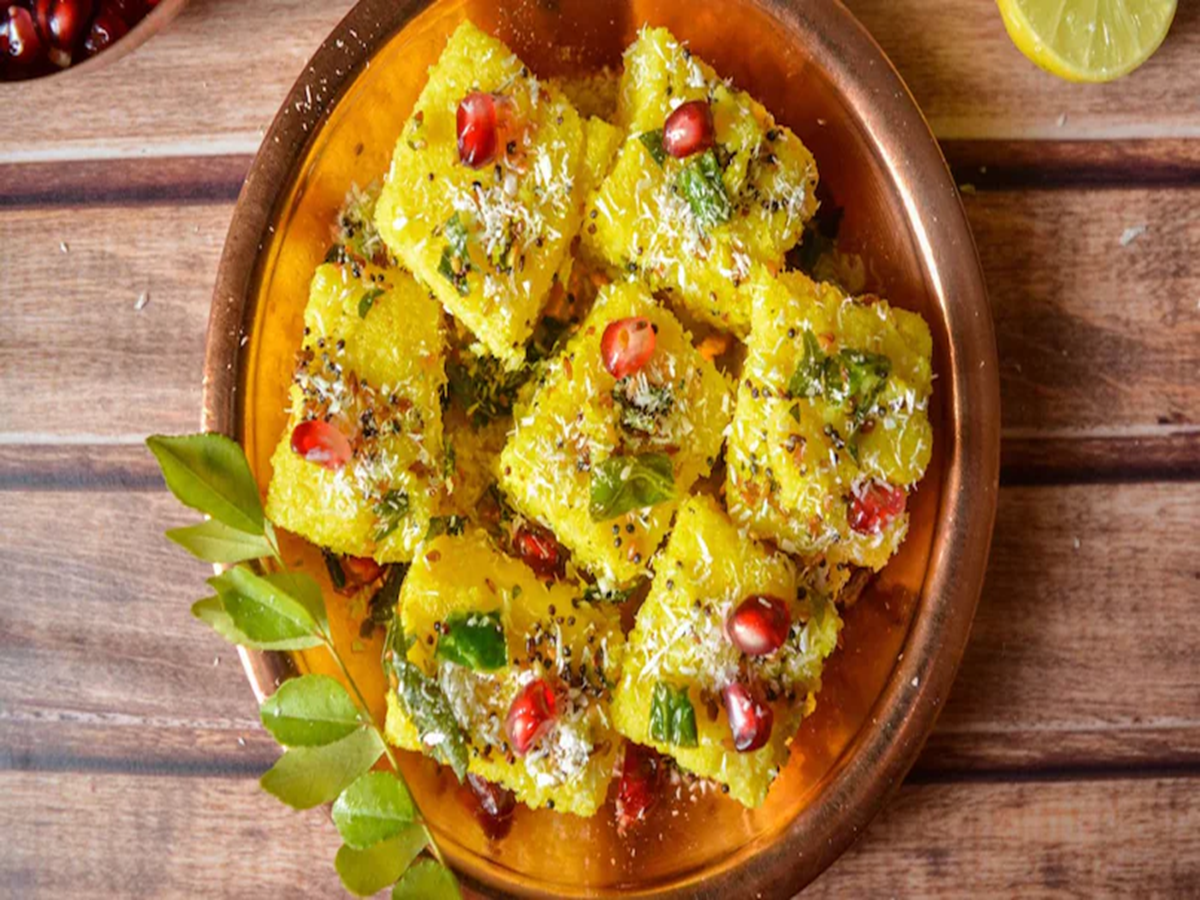
Dhokla: Dhokla, a dish hailing from Gujarat, has also frequently appeared in media reports regarding PM Modi's diet. Made from gram flour (besan) and steamed, it serves as a lighter alternative to fried snacks for many people. Its defining characteristics are its soft texture and the fact that it is prepared with minimal oil—though the quantity of chutney, oil, or tempering added on top does influence its nutritional value.
Bhakhri-Dal: Bhakhri-dal is a staple of the traditional Gujarati *thali*. It typically consists of *bhakhri* (a flatbread) made from sorghum (*jowar*) or pearl millet (*bajra*) flour, served with lentils (*dal*). It is both delicious and nutritious; the lentils provide protein, while the *jowar* or *bajra* offers fiber, iron, and various essential nutrients. Simply put, it is a perfect blend of traditional flavor and good health.
Indian Avocado: On September 2, PM Narendra Modi shared a video on Instagram highlighting the rapidly growing popularity of Indian avocados. He noted that until recently, few people were aware of this fruit, and demand for it was low; however, avocados are now becoming a common sight on people's dining tables. Its popularity is steadily rising, particularly in the health and premium food markets.
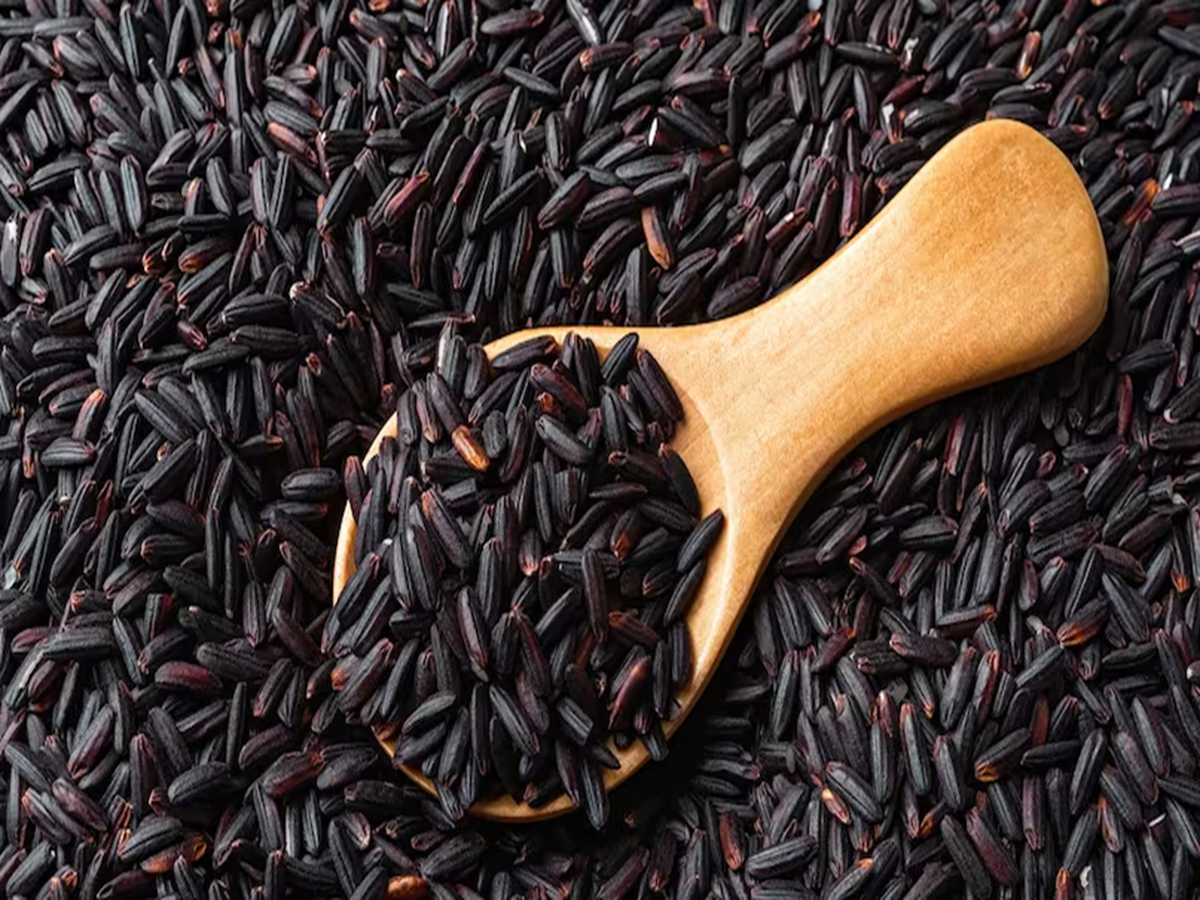
Black rice is currently highly favored as a healthy food option. Prime Minister Narendra Modi has also commended the farmers in Manipur and Odisha who cultivate black rice. It contains an antioxidant known as anthocyanin and is considered beneficial for improving digestion, balancing blood sugar levels, and supporting heart health. For this reason, it is regarded as a grain that offers both great taste and rich nutritional value.
PC Social Media