LIFESTYLE
Endometriosis Risk: Experiencing severe pain during periods? Could you be at risk of infertility?
Periods are a natural process that occurs every month in women. They are a wonderful gift from nature that prepares the female body for the possibility of motherhood. However, many women face various complications during their periods.
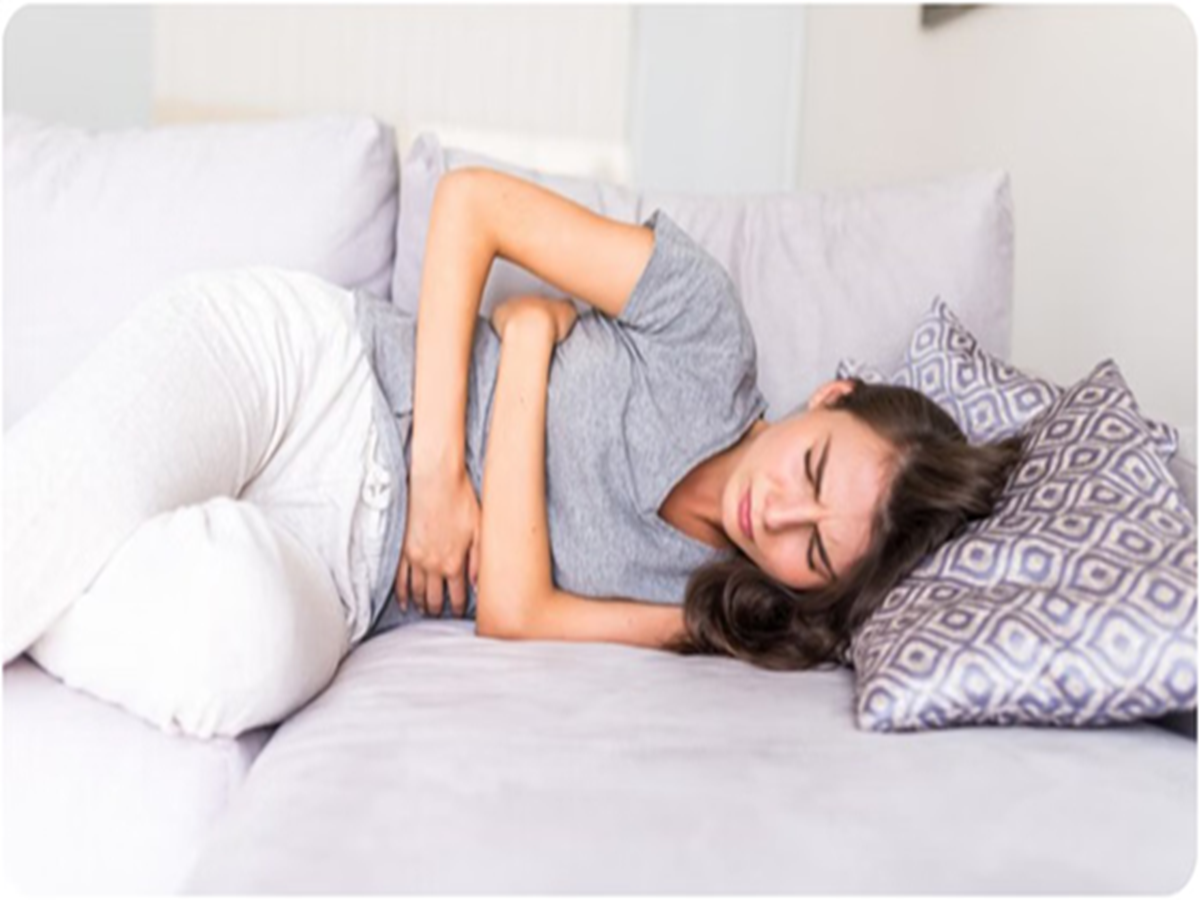
It's generally assumed that if you have periods, there will be pain. However, the worrying thing is that sometimes this pain can be a sign of serious underlying problems.
Health experts say that while mild or moderate period pain may be natural, if you experience so much pain every month that it makes it difficult to sit or stand, forcing you to stop attending school, college, or work, and repeatedly resorting to painkillers, it can be problematic. In many cases, this type of problem has been linked to conditions like endometriosis. Failure to address endometriosis in time can lead to infertility.
If you experience period pain, be cautious and get it checked promptly.
Problems During Periods
According to the World Health Organization (WHO), approximately 10% of women and adolescents of reproductive age worldwide suffer from endometriosis. It not only affects periods but also causes long-term inflammation. It has also been shown to impact quality of life, mental health, and fertility.
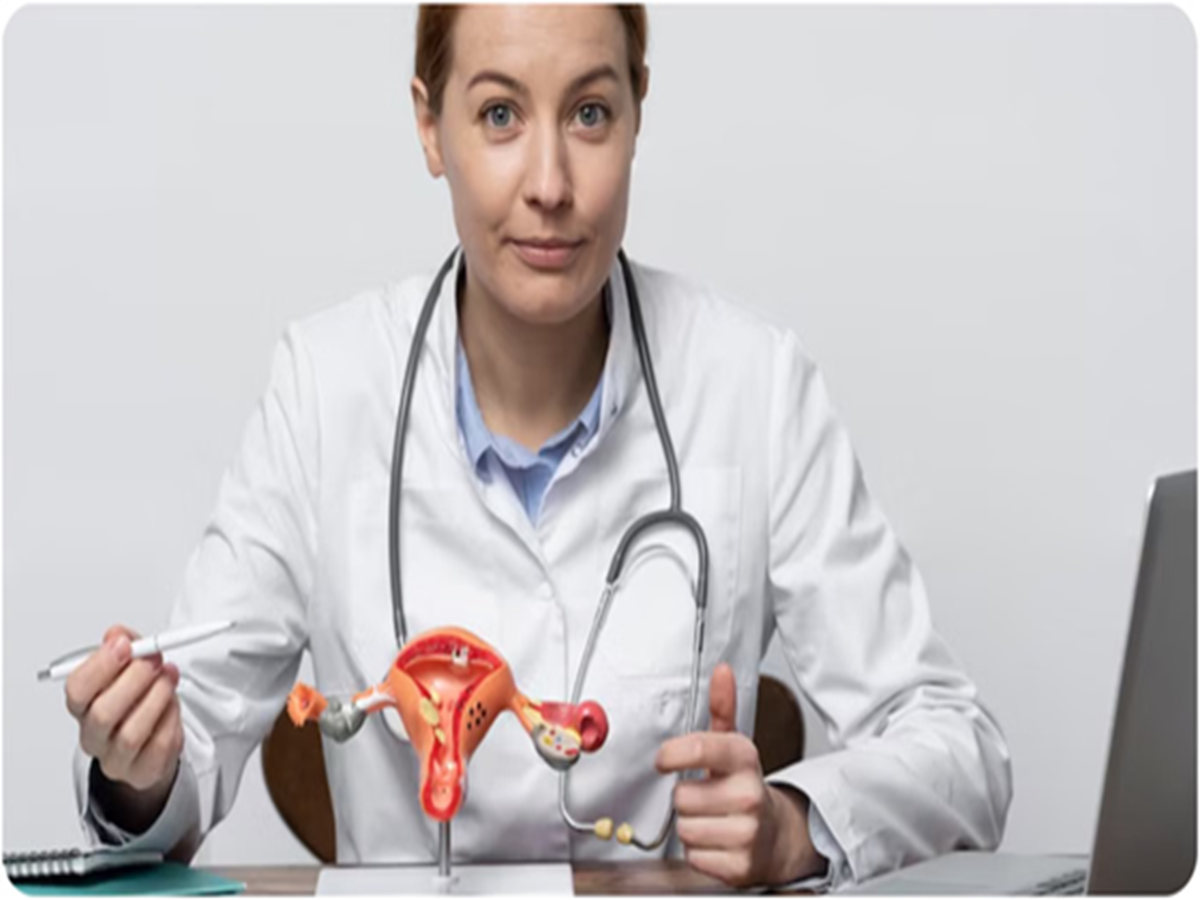
Endometriosis is considered a serious and chronic condition. Tissues similar to the inner lining of the uterus (endometrium) grow outside the uterus, on the ovaries, fallopian tubes, or other abdominal organs.
These tissues thicken during each menstrual cycle, break down, and bleed. This can cause inflammation, scarring, and severe pain. In many cases, they can even form cysts.
In many cases, it takes years to be diagnosed because its symptoms are often mistaken for normal menstrual problems.
Increased risk of endometriosis
The problems and pain caused by endometriosis can vary from woman to woman. Some may experience pain only during periods, while others may experience pelvic pain during intercourse, bowel movements, or throughout the year.
Medical reports indicate that endometriosis pain is caused by chemicals called prostaglandins produced in the uterus, which contract the uterine muscles to expel the uterine lining.
However, if the pain is severe enough to make daily activities difficult, requires repeated medication, is accompanied by vomiting, fainting, severe back pain, or persistent pelvic pain, it should be taken seriously.
What complications does endometriosis cause?
According to the American College of Obstetricians and Gynecologists, the symptoms of endometriosis can vary from woman to woman. Therefore, it is important to be aware of the signs and take preventive measures.
Severe pain during periods can also be associated with pain in the pelvic area, during or after intercourse.
Some women also experience pain while defecating or urinating.
It can also be accompanied by excessive or irregular bleeding, prolonged fatigue, bloating, bowel problems such as constipation or diarrhea, and difficulty conceiving.
Why does this problem occur, and what should be done?
The cause of endometriosis is not fully understood.
However, it is believed that when you have endometriosis, tissue similar to the lining of your uterus begins to grow in the wrong places.
In addition to genetic factors, immune system disorders and the effects of hormones, especially estrogen, have also been considered as causes.
If you also have endometriosis
PC Social Media