
LIFESTYLE
Does consuming ghee increase cholesterol and weight? Before eliminating it from your diet, be sure to find out what Ayurveda says..
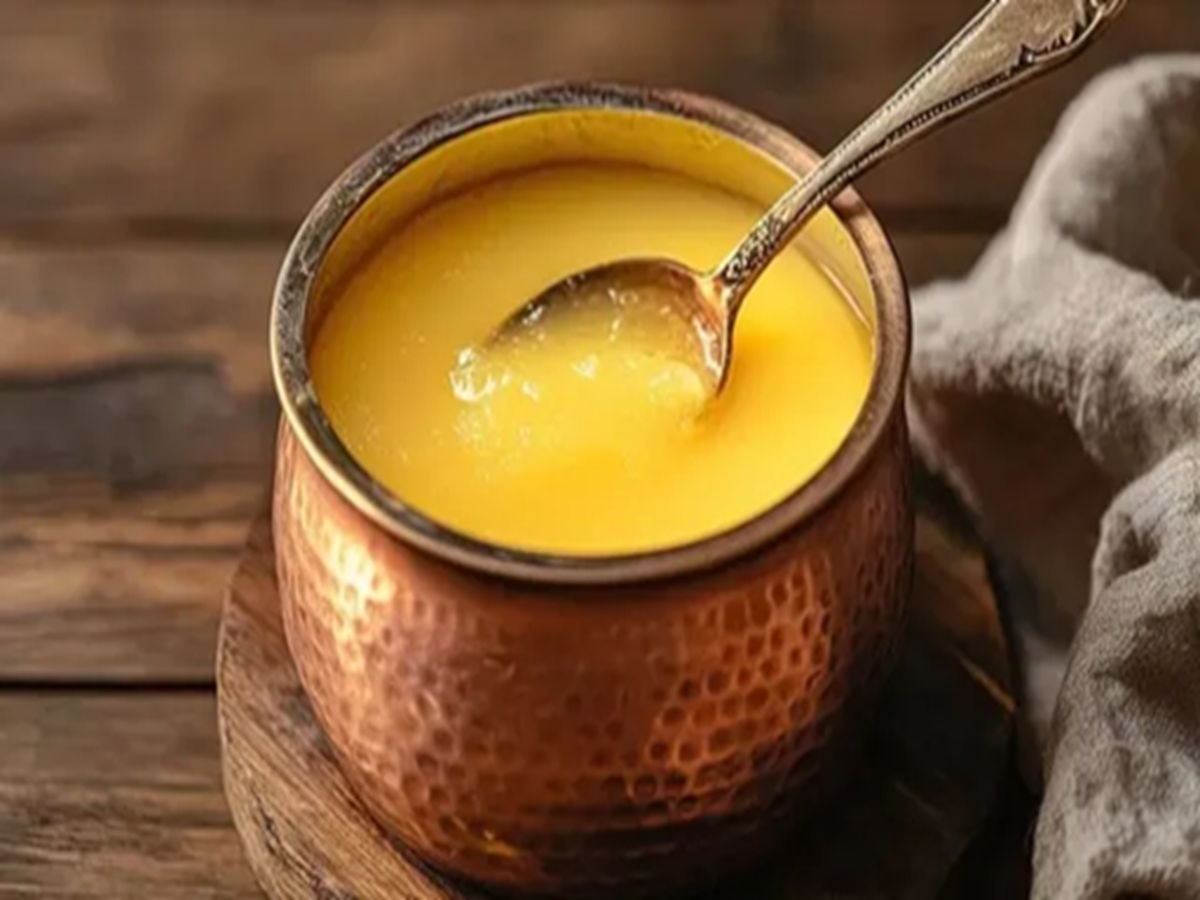
Ayurvedic texts mention four types of oleaginous substances (lubricants) used for therapeutic purposes: ghee, oil, and fats derived from animal muscle and bone marrow. Ghee is considered the best among all such substances due to its unique ability to absorb the properties of herbs and foods while retaining its own inherent nature.
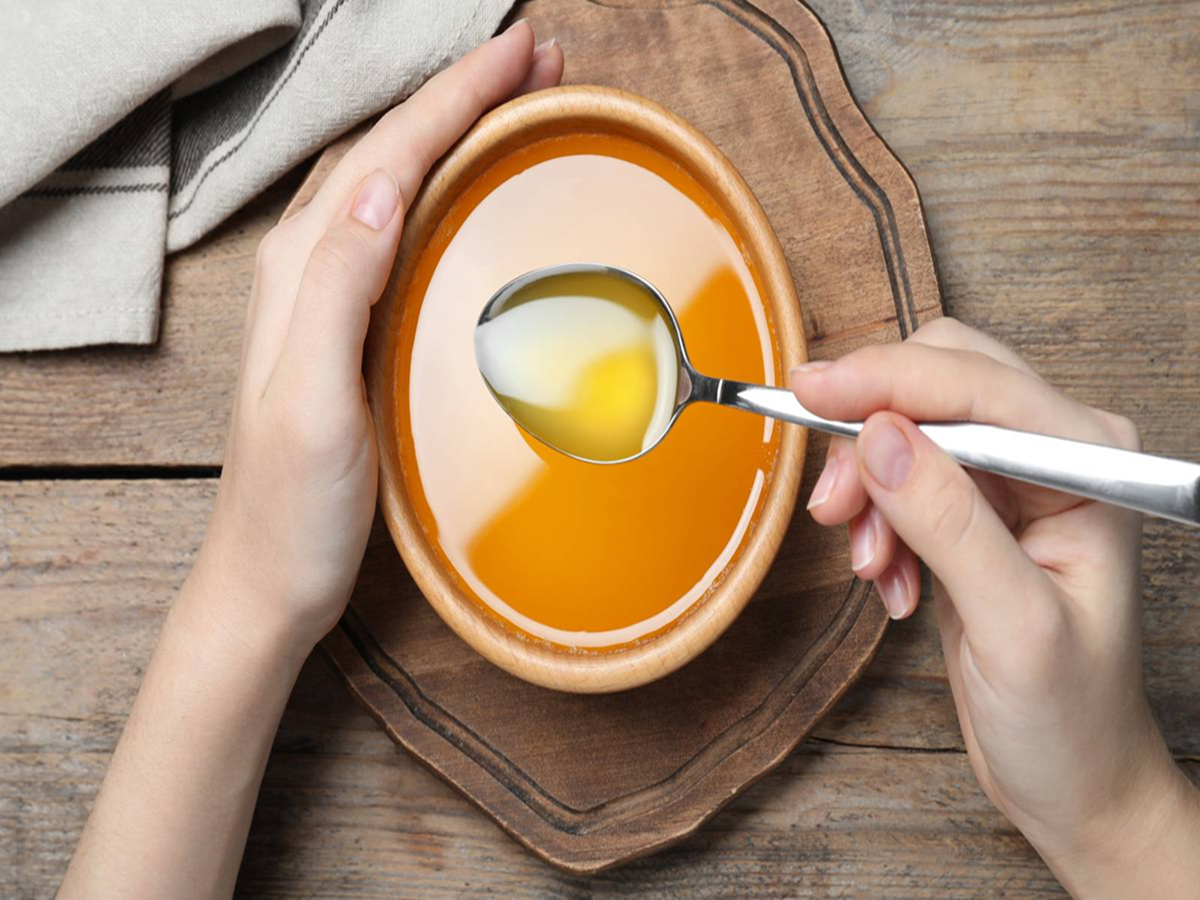
Dr. R. Vatsyayan (Ayurvedacharya, Ludhiana) notes that in Sanskrit, it is referred to as *Ghritam* and *Sarpi*. For centuries, ghee has not only been an integral part of Vedic rituals but has also held a prominent place in Indian kitchens. In addition to ghee made from cow or buffalo milk, varieties derived from goat, camel, and mare milk can also be used in Ayurvedic medicine.
**Ghee is Rich in Beneficial Properties**
While describing the general characteristics of ghee, Sushruta noted that it is sweet in taste, mild, cooling, and light. It pacifies aggravated *Vata* and *Pitta* doshas. Ayurvedic experts describe it as palatable and capable of enhancing memory, intelligence, complexion, and softness.
Ayurvedic texts state that cow's ghee nourishes the body's seven types of tissues (*Dhatus*): digestive fluids, blood, muscle, fat, bone, marrow, and reproductive tissues. It is regarded as a revitalizing and rejuvenating substance and is considered the best among all oleaginous agents.
Ghee acts as a laxative and proves beneficial in treating various conditions, such as epilepsy, insanity, chemical toxicity, headaches (including migraines), and ailments affecting the body's external orifices.
**A Useful Remedy for Intractable Diseases**
Ghee can be used both externally and internally for therapeutic purposes. Classical Ayurvedic texts mention '*Ghrita Chikitsa*' (Ghee Therapy), a treatment method involving the use of various types of medicated ghee. For this process, a decoction of select herbs is cooked in pure ghee, allowing the ghee to absorb the potent active ingredients of the herbs.
References also exist that distinguish the properties of ghee based on its age. Ghee aged for one year is considered best for external use. *Kumbha Ghrita* and *Mahaghrita*—aged between 11 and 100 years, respectively—are used as highly effective remedies for certain intractable diseases.
Ghee is utilized in the initial stage (oil application) of the Ayurvedic therapy known as *Panchakarma*. Massaging with ghee is considered highly effective for frail patients, as it nourishes the body at the tissue level and improves blood circulation.
Regularly administering a few drops of slightly warm ghee into the nostrils for 10–15 days provides relief from migraines, chronic sinusitis, and allergic respiratory issues. *Akshi-tarpana* is another *Panchakarma* treatment wherein the eyes are immersed in fresh, melted ghee for a few minutes to treat ocular disorders.
**Conflicting Views and Misconceptions Regarding Ghee**
There is a significant divergence between Ayurvedic and modern medical perspectives regarding the effects of ghee on the human body. Although studies report a decrease in patients' triglyceride levels following ghee consumption during *Panchakarma* procedures, widespread confusion and fear persist among the general public regarding its safe consumption.
While Ayurveda emphasizes consuming ghee—or any substance—in moderation, a joint study involving experts from both medical systems is required to conclusively understand the beneficial and adverse effects of ghee on the body's various systems.
Some classical Ayurvedic medicines based on ghee
Arjuna Ghrita – Heart disease
Panchatikta Ghrita – Psoriasis
Brahmi Ghrita and Kalyana Ghrita – Mental disorders
Triphala Ghrita – Eye disorders
Shatavari Ghrita – Gynecological disorders
Indukanta Ghrita – Gastrointestinal problems
Phala Ghrita – Infertility and pregnancy-related issues
Ashwagandha Ghrita – To strengthen the nervous system
PC Social Media