Parenting
Do you find yourself constantly arguing with your teenagers? Mend your relationship by becoming their friend—just like their grandparents..
14-year-old Riya's mother, Maithili, is so annoyed by every little thing that she often becomes upset. She doesn't want to scold Riya for every little thing, but something happens throughout the day that causes conflict between mother and daughter. Riya has only one trump card: her grandmother.
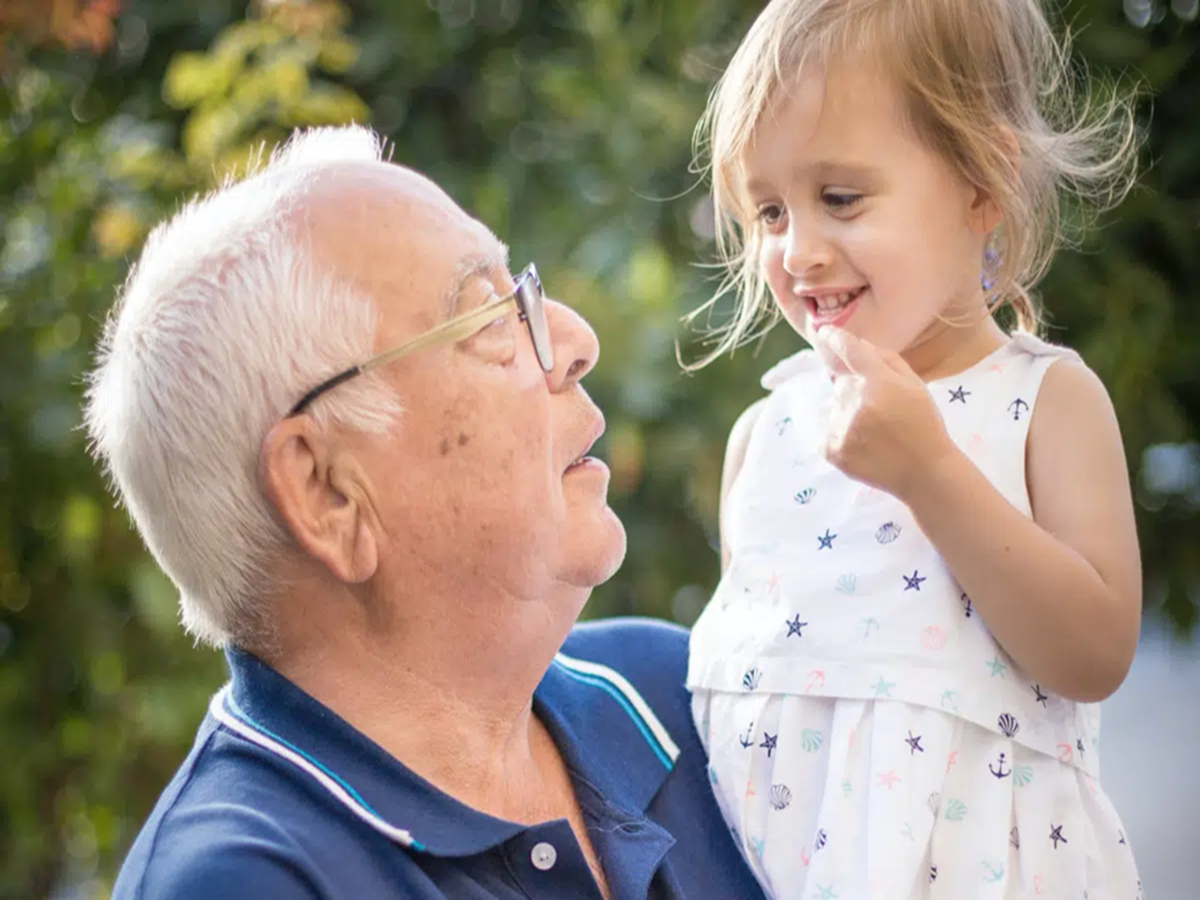
Unlike Maithili, her grandmother doesn't get angry at everything Riya says; she listens to her, tries to understand, and then, with strong words and words, explains what's wrong between Maithili and Riya. For Riya, her grandmother is everything, with whom she shares everything from school gossip to her mental turmoil.
Maithili also wants Riya to be as open with her, but a strange distance remains between their thoughts and ideas. Even when they do talk, it's only for the sake of work; it's long past time for open communication. Do three generations live under the same roof in your home, yet live in three different worlds?
This has become a common picture in Indian families today. Mothers are preoccupied with future concerns and household chores. Meanwhile, over morning tea, grandmothers or grandfathers talk to their grandchildren about traditions and the "golden days," which the children enjoy, but their parents' words begin to sound like sermons. A child is exploring a whole new world on their mobile phone, where grandmother is present, but mothers are either blocked or limited to just monitoring. Despite sharing the same sofa, the distance in their thinking sometimes widens to the point where communication becomes muted.
This is a difference in perspective.
Joint or intergenerational families in India have been our cultural hallmark. The closeness of grandparents, parents, and children is our greatest strength, but the digital age has posed new challenges to this structure. Often, we tend to blame one generation or another, when the truth is that neither the parents are wrong, nor the children are spoiled, nor the grandparents are stuck in the past. The real issue is the difference in experience and perspective. Today's child is competing not just with the neighborhood children, but with the entire world. Their insecurities are new, their dreams are global, and their curiosity is limitless.
When Fear Replaces Communication
Parents often view life through the lens of discipline and security. Their fear of "the child going astray" is justified, but when this fear replaces communication, relationships begin to crack. Interestingly, often the same child who hesitates to talk to their mother opens up to their grandmother or great-grandmother. Why? Because there they find listening ears, not a voice that passes judgment. A home becomes strong when there is openness, and openness only comes when communication is alive.
Develop Understanding, Not Instigation
If you feel that your grandparents are spoiling your children by instigating them, it's time to remove the glasses of prejudice. Parents often fail to understand the changing times. They become so entangled in old patterns that they can't see their child's feelings. In such moments, there's no "villain," just a lack of understanding. If a grandmother's patience, a mother's loving concern, and a child's modern curiosity combine, the home can become a center of balance, not a battleground.
Communication, Not Orders
In the digital age, children are flooded with information, but they are equally confused. If parents close the doors to their thinking, the child's trust can be broken. Rebuilding trust is very difficult. This requires:
Meaningful Conversation: Conversations at home shouldn't be limited to "what did you eat" or "how are you studying?"
Sharing experiences: Adults can share their experiences, and children can introduce them to their own world of technology.
Respecting disagreement: It's not necessary to agree on everything, but respecting each other's opinions is essential.
Use books as a medium: Books and
PC Social Media