Parenting
Parenting: Is Your Child Also Falling Victim to School Bullying? Parents, Do Not Ignore These 7 Signs...
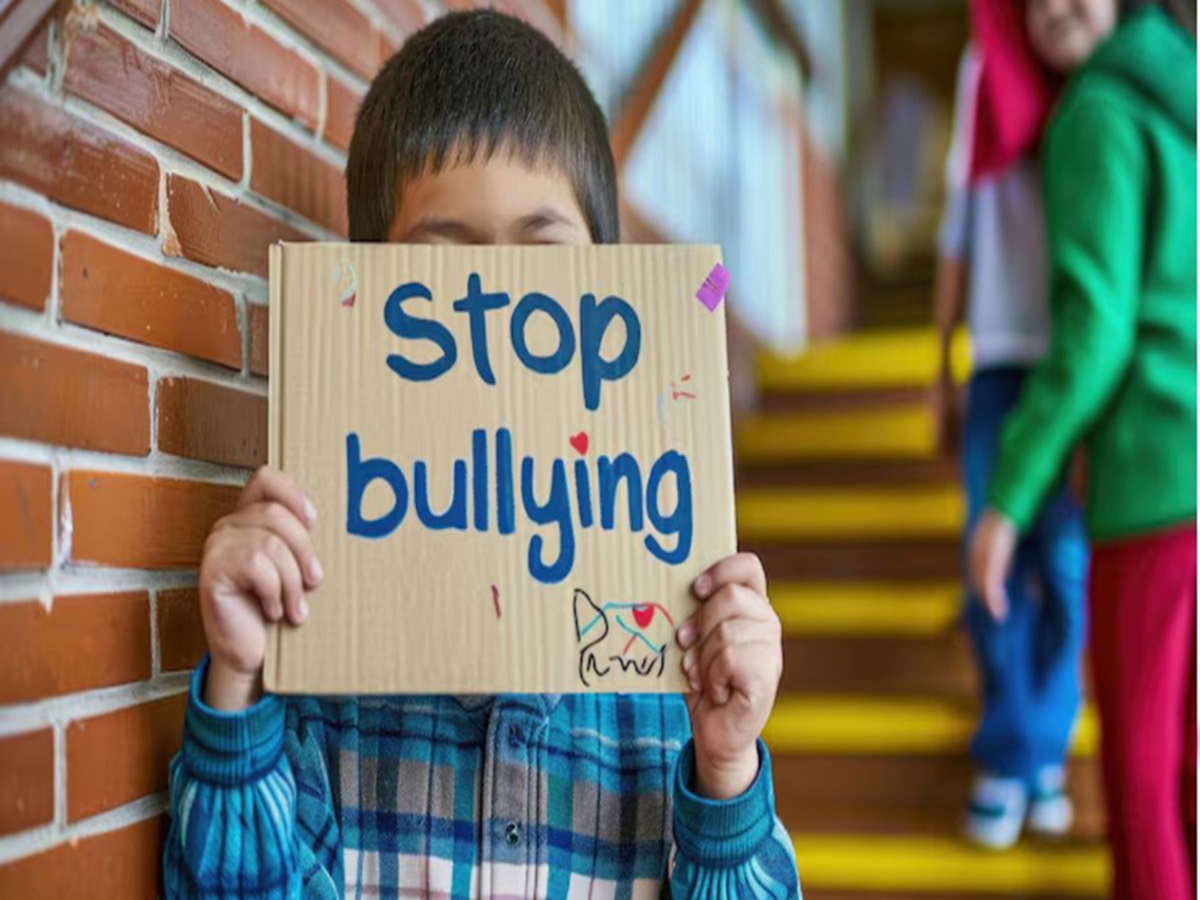
School bullying has a significant impact on a child's physical and mental health. Therefore, it is crucial for parents to pay close attention to ensure that their child is not being bullied at school.
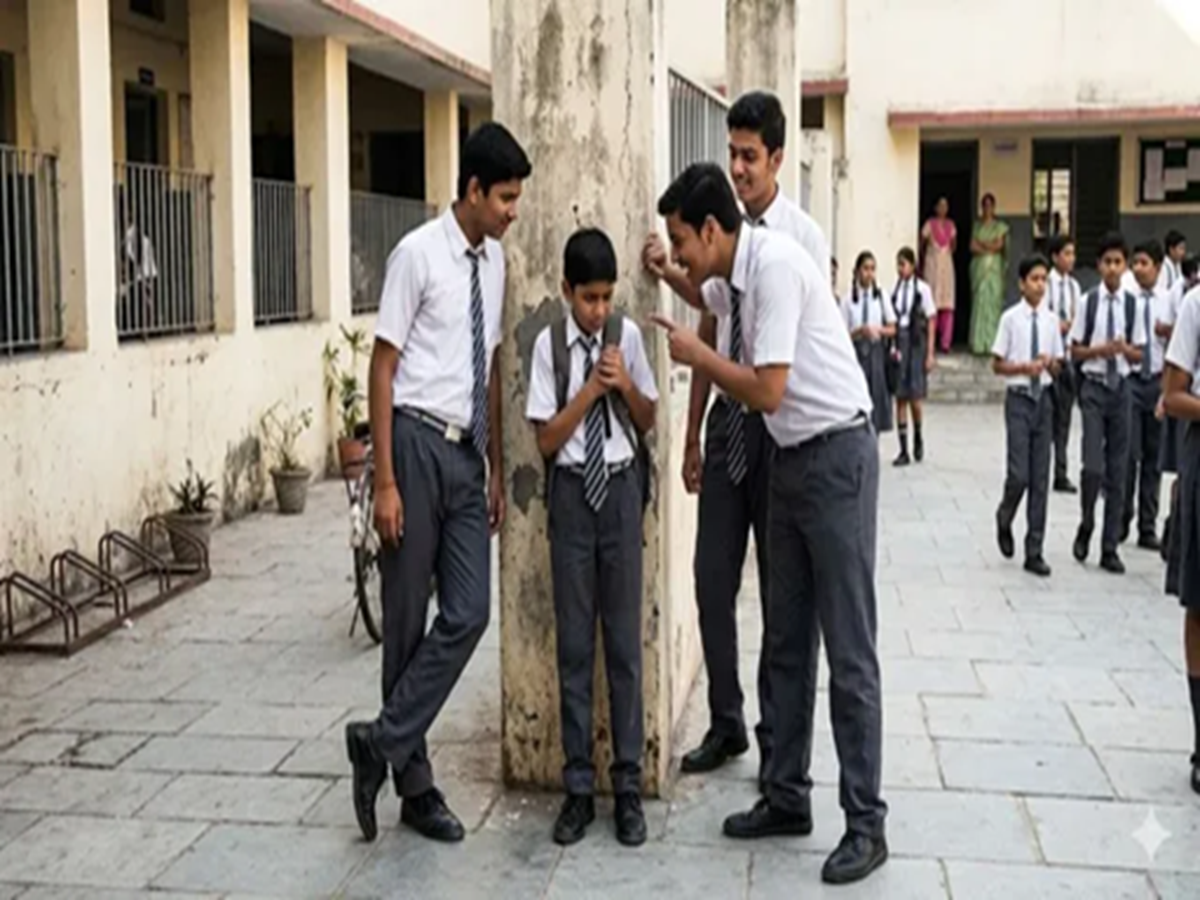
To determine this, it is essential to communicate with your children effectively and offer them your support. Let's explore how you can identify whether your child is being bullied at school and what steps you can take to put a stop to it.
What is the Definition of School Bullying?
According to UNESCO, school bullying is a harmful social process characterized by a clear imbalance of power. It involves repetitive, unwanted behavior that causes physical, social, or emotional harm among students or school staff.
In today's world, this phenomenon is no longer confined solely to the school playground; in the form of cyberbullying, it can reach a child anywhere and at any time via the internet, inflicting profound damage upon their mental health.
Signs of Bullying in Children
Children are often unable to articulate their distress verbally; however, as an observant parent, you should look out for the following signs:
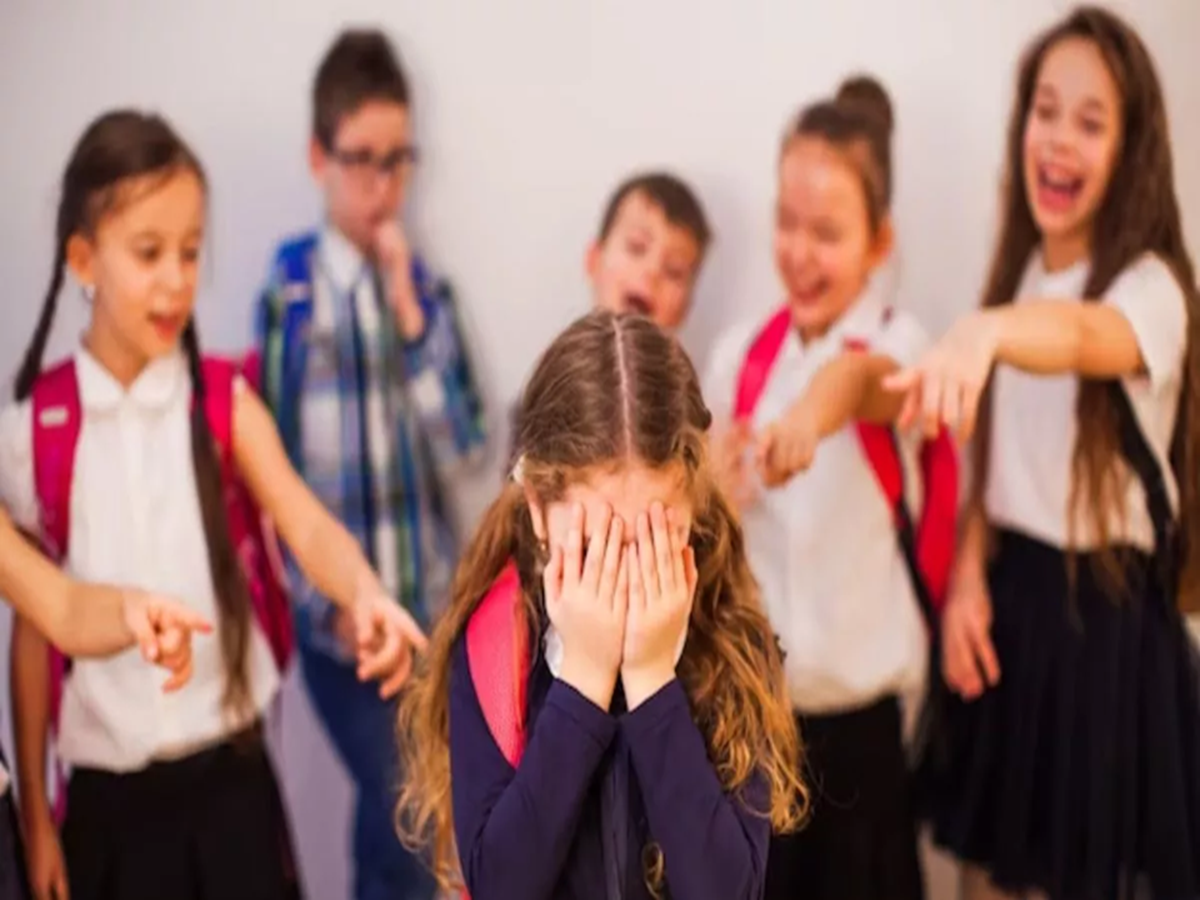
Physical Signs: Unexplained bruises, scratches, or injury marks found on the body.
Emotional Changes: The child suddenly becomes overly vigilant, anxious, or distressed. Outbursts of anger or irritable behavior can also be warning signs.
School Avoidance: Expressing fear about going to school or participating in school events; frequently feigning headaches or stomach aches to insist on being picked up and taken home.
Social Isolation: Suddenly stopping contact with friends, avoiding social situations, or constantly trying to stay close to adults.
Sleep and Academics: Difficulty sleeping, experiencing nightmares, or a sudden decline in academic performance.
Loss of Belongings: The frequent loss or breakage of clothing, electronic devices, or personal items.
Online Behavior: Appearing distressed after using a phone or the internet, or becoming overly secretive about their online activities.
What Can You Do to Stop Bullying? Discuss Bullying: Once children understand what bullying is, they will be able to recognize it easily—whether it is happening to them or to someone else.
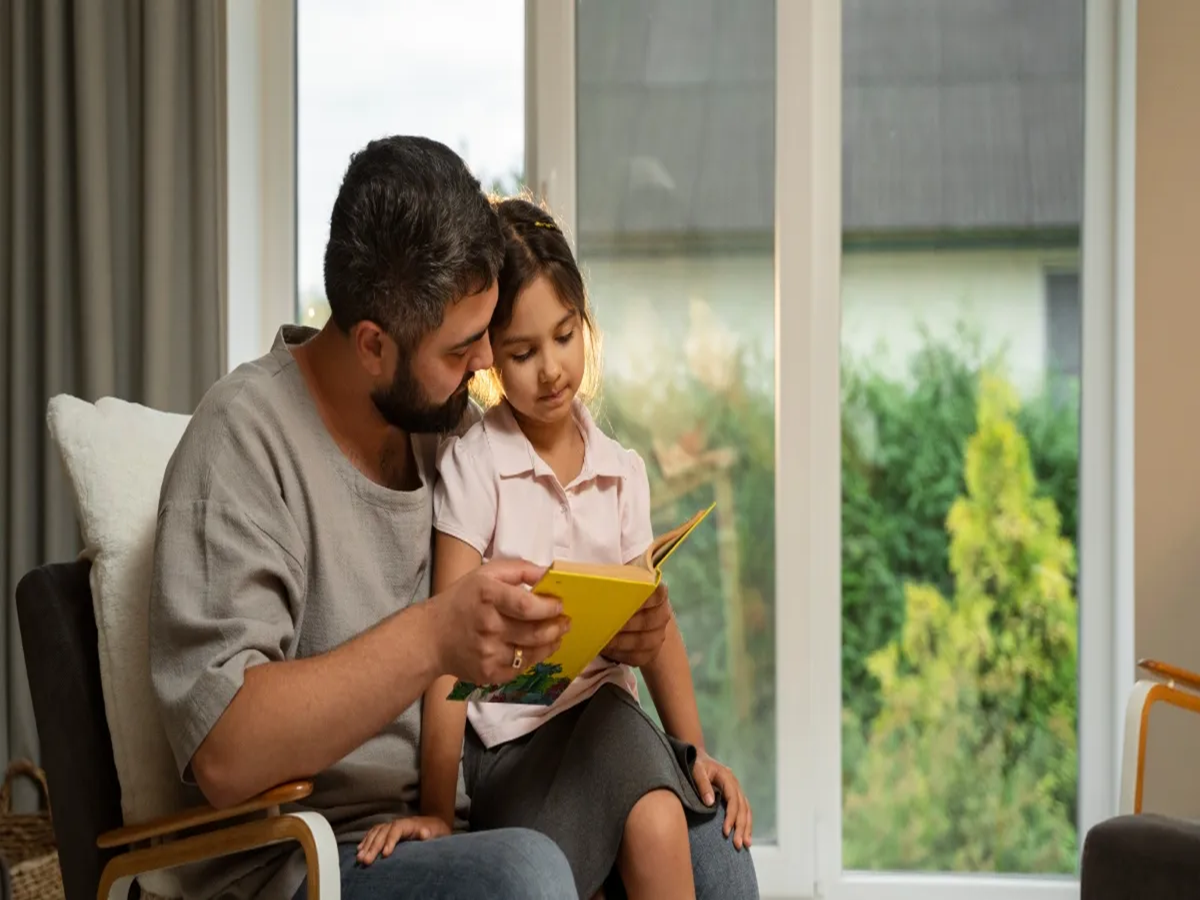
Talk Openly and Often: Talk to your children every day. Ask them not only about their studies but also about their experiences and feelings. The more you talk to them, the more comfortable they will feel sharing their problems with you.
Build Self-Confidence: Encourage your child to participate in activities or classes that they enjoy. This will not only boost their self-confidence but also help them find friends who share similar hobbies.
Help Your Child Become a Positive Role Model: Teach your children how to treat other kids and how to speak up against bullying.
Be a Part of Their Online World: Familiarize yourself with the platforms your child uses. Help them understand that the online and offline worlds are interconnected, and warn them about the risks associated with the digital world.
Set an Example Yourself: Children learn by observing their parents. Treat others with respect and speak up when you see someone being mistreated. Your own posts and behavior on the internet also serve as an example for them.
PC Social Media