
LIFESTYLE
Are you damaging your kidneys in the pursuit of better health? Vitamin D overdose is increasing the risk of kidney stones..
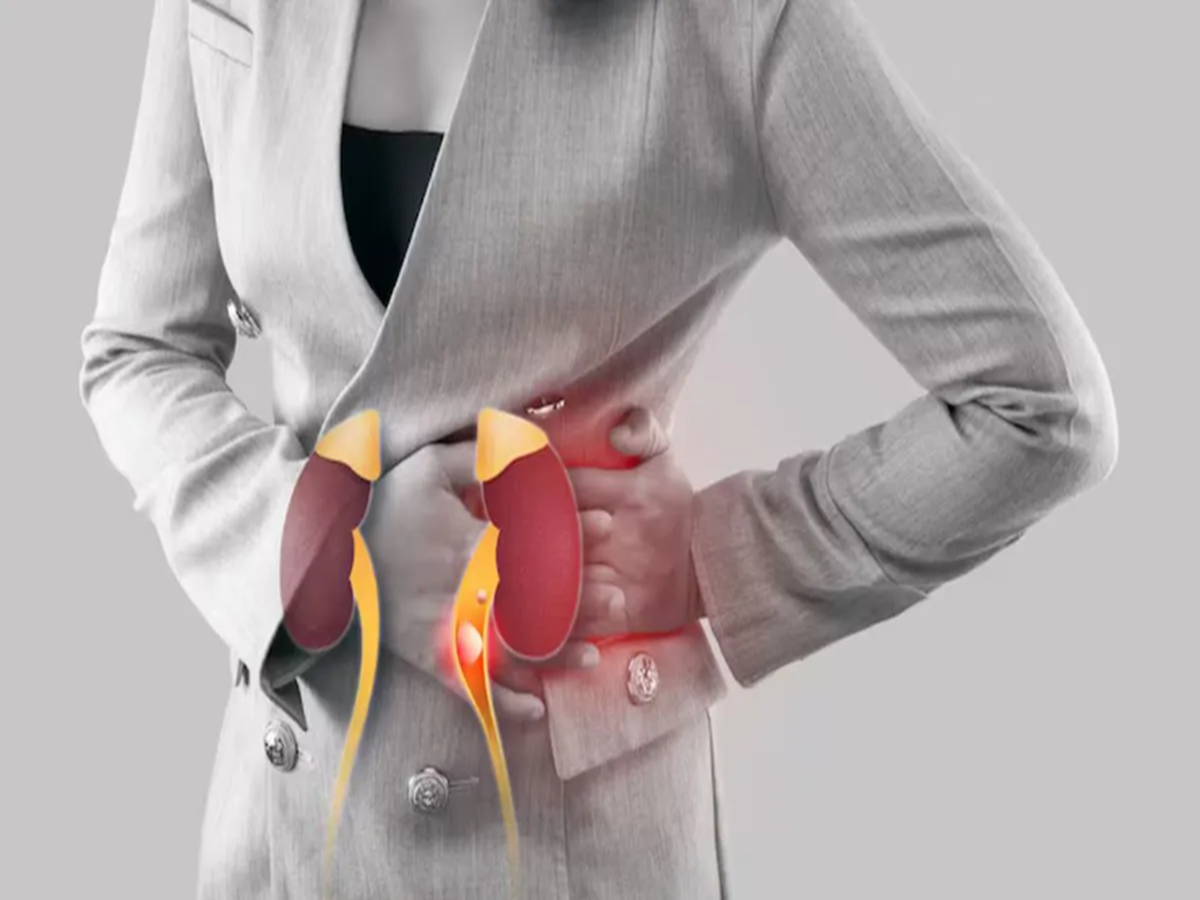
The risk of chronic diseases is on the rise globally. Among the organs that have suffered the most damage due to lifestyle irregularities and poor dietary habits, the kidneys stand out as one of the most affected.
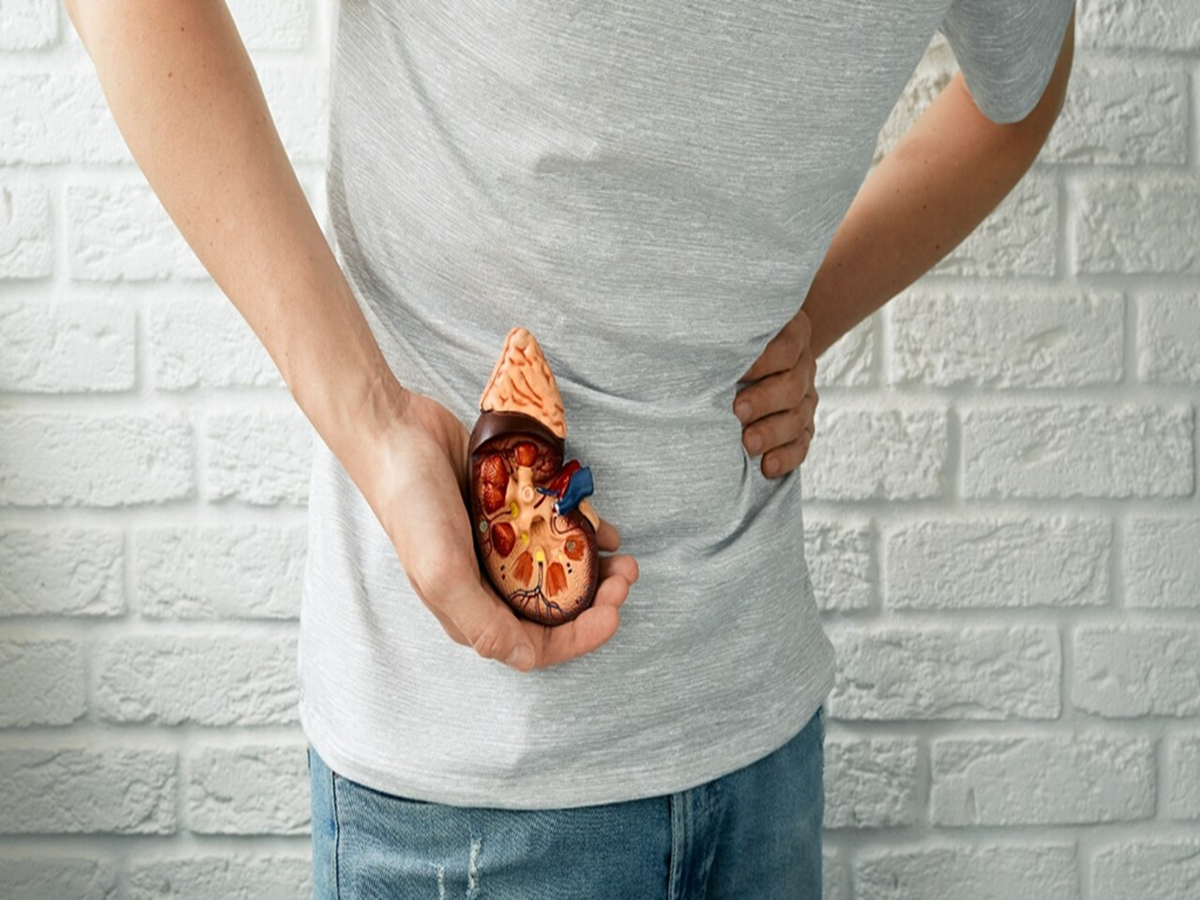
Kidney-related ailments were once considered problems associated primarily with aging. However, cases of kidney disease are now increasingly being observed in younger individuals—and even in children. In this context, kidney stones have emerged as a serious health concern.
The Risk of Kidney Stones Due to Poor Diet
If the kidneys fail to function properly due to an underlying illness, toxic substances begin to accumulate in the body. Individuals with poor dietary habits are observed to be at a significantly higher risk of developing kidney stones. When kidney dysfunction prevents substances such as calcium oxalate and uric acid from being properly filtered and expelled from the body, tiny crystals of these substances begin to aggregate, eventually forming stones. The presence of kidney stones can cause excruciating pain and severe discomfort.
Insufficient water intake leads to concentrated urine, thereby increasing the risk of stone formation. Factors such as obesity and dietary irregularities—including the consumption of junk food, excessive salt and sugar, and a lack of dietary fiber—also contribute to an elevated risk of kidney stones. Numerous reports have issued warnings regarding the growing prevalence of Vitamin D and calcium deficiencies among the Indian population. This has a direct impact on bone health. To address these nutritional deficiencies, many people resort to taking supplements for prolonged periods or without consulting a medical professional. However, making such a mistake can often prove to be detrimental to one's health.
The Risks Associated with Excessive Calcium and Vitamin D Intake
Health experts caution that the simultaneous consumption of high doses of calcium and Vitamin D over an extended period can significantly increase the risk of developing kidney stones. This occurs because elevated levels of Vitamin D enhance the body's absorption of calcium, resulting in higher concentrations of calcium in the urine. This condition is known as hypercalciuria, and it is precisely why individuals in this category face a heightened risk of kidney stone formation. While taking supplements in balanced amounts and under a doctor's advice is generally safe, taking excessive doses or using them for prolonged periods can increase health risks.
Severe Pain in the Back or Lower Abdomen
Excessive levels of Vitamin D increase calcium absorption in the intestines, which, in turn, leads to increased calcium excretion through urine. It is recommended to take calcium supplements with meals, as taking them on an empty stomach has been associated with a higher risk of stone formation. The primary symptom of kidney stones is severe pain in the back or the lower abdomen. This is often accompanied by a burning sensation during urination, the presence of blood in the urine, and a frequent urge to urinate. It can also lead to symptoms such as fever and vomiting.
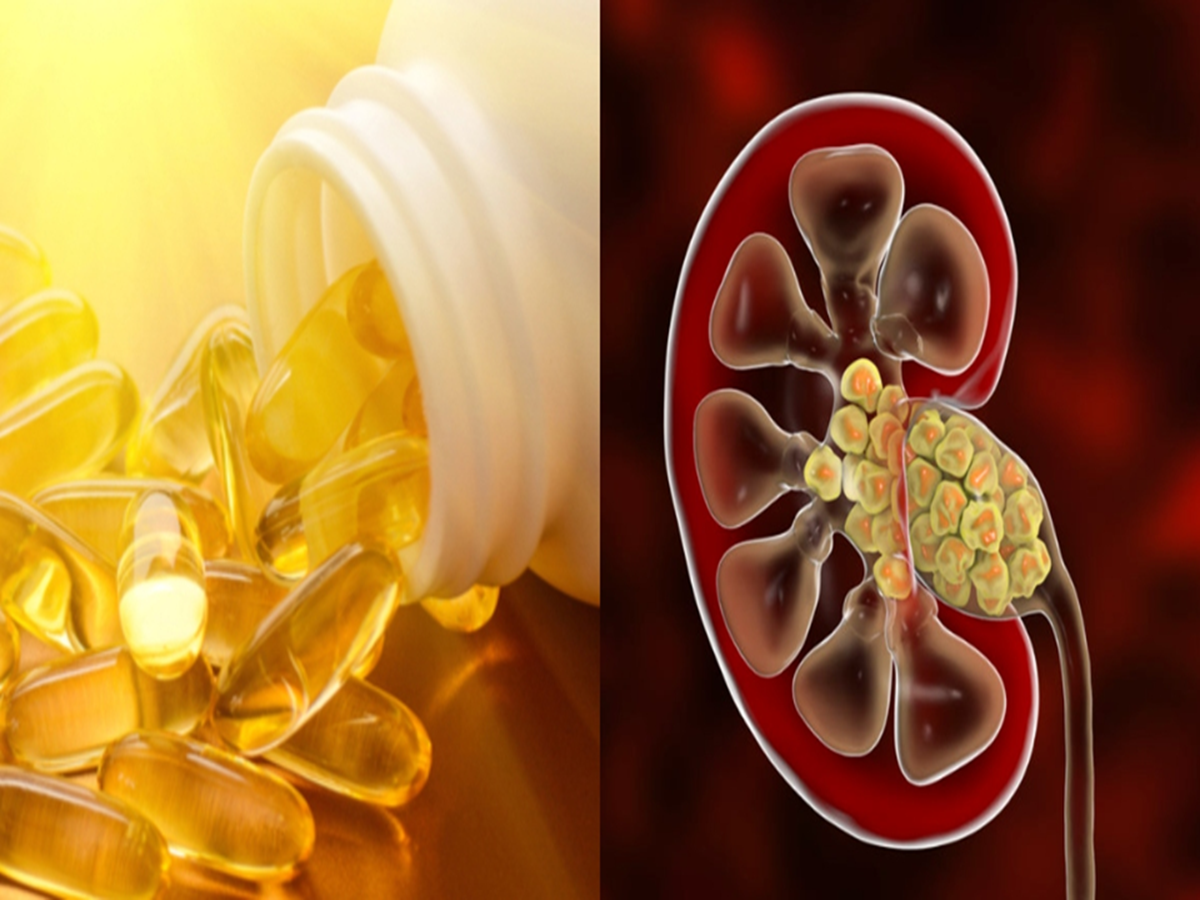
What is the Diagnosis?
Diagnosis involves examinations conducted through ultrasound, blood tests, and urine tests. Treatment typically involves taking pain relievers and medications designed to dissolve or facilitate the passage of the stones. Surgery is performed when deemed necessary; modern laser surgery techniques, in particular, allow for a quicker recovery and hospital discharge.
PC Social Media