LIFESTYLE
Brass Pots: Does brewing tea in a brass vessel actually enhance its flavor? You'll be shocked to learn the truth..
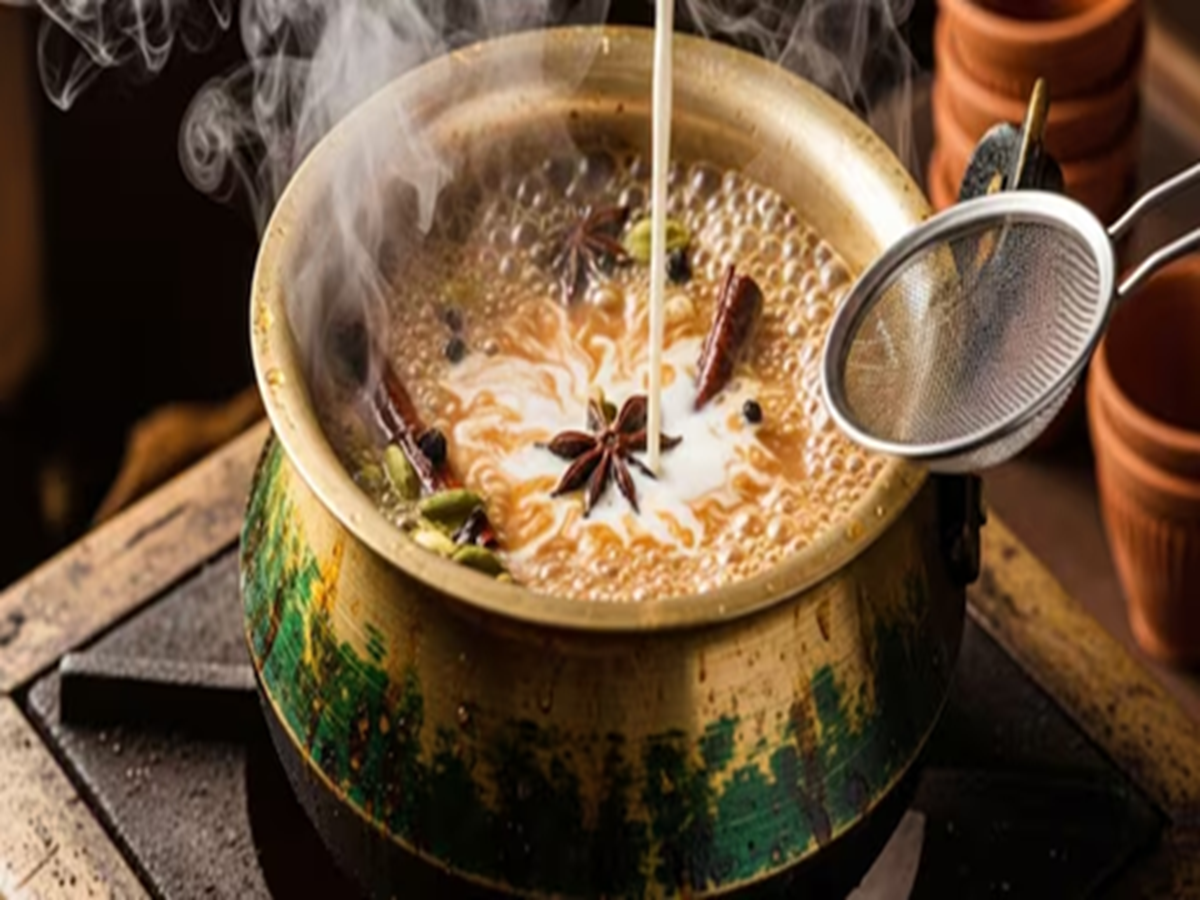
Brass Utensils Enhance Tea Flavor: International Tea Day is celebrated every year on May 21st. This special day is observed with the aim of raising awareness about the health benefits and significance of tea. For millions of people, tea is not merely a beverage; it is an emotion. People enjoy drinking tea in every season. To enhance the flavor of their tea, people adopt various methods. Some prefer sipping tea from traditional earthen cups (kulhads), while others consider tea prepared in copper or brass vessels to be far more delicious. The question now arises: does preparing tea in a brass vessel truly enhance its flavor?
Ranjana Singh, a dietician and the founder of Ranjana Nutriglow Clinic in Ghaziabad, UP, explains that brass is an alloy composed of copper and zinc. In ancient times, brass vessels were widely used for cooking and for storing water. In Ayurveda, too, brass vessels are considered beneficial in certain contexts. This metal conducts heat rapidly; consequently, food heats up much faster when cooked in it. For this very reason, some people believe that tea prepared in a brass vessel possesses a distinct and superior flavor. While preparing tea in a brass vessel may result in a subtle alteration in taste, it does not necessarily follow that this change will always be for the better. Certain components present in tea—such as tannins and milk—can react with the brass metal. As a result, the tea may acquire a slightly metallic or unusual taste. Some people find this flavor appealing, while many others find it rather uncharacteristic.
Experts caution that cooking highly acidic foods in brass vessels is generally not considered advisable. The elements present in tea can react with the metal, particularly if the interior of the vessel has not been lined with tin (a process known as *kalai*). Preparing tea in an unlined brass vessel may cause metal particles to leach into the beverage, which could potentially pose health risks over the long term. For this reason, many experts consider stainless steel or food-grade cookware to be safer alternatives. As her mother’s steps faltered, her daughter reached out to steady her; Priyanka helped Sonia put on her sandals.
As her mother’s steps faltered, her daughter reached out to steady her; Priyanka helped Sonia put on her sandals.
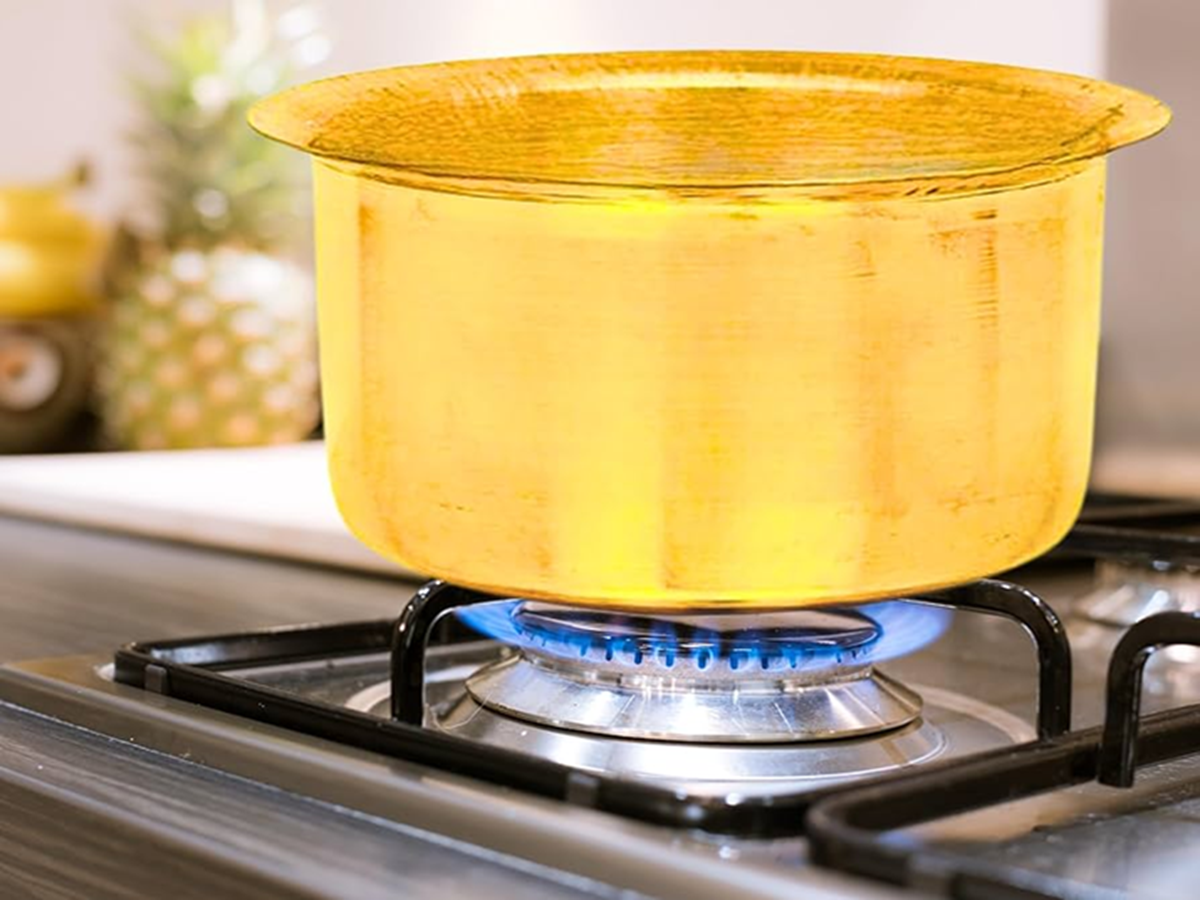
According to dietitians, if you wish to enhance the flavor of your tea, the ingredients and the brewing method are far more crucial than the type of vessel used. Fresh tea leaves, the right proportion of milk, ginger, cardamom, and proper boiling can manifold the taste of the tea. Drinking tea from a traditional earthen cup (*kulhad*) also imparts a natural aroma and a distinct flavor—a quality that is cherished by many. While brewing tea in a brass vessel may indeed bring about a subtle alteration in taste, it would not be accurate to invariably characterize this change as an improvement.
PC Social Media