
LIFESTYLE
Is your Tulsi plant drying out repeatedly this summer? Add this one thing to its roots, and it will stay lush green all year round..
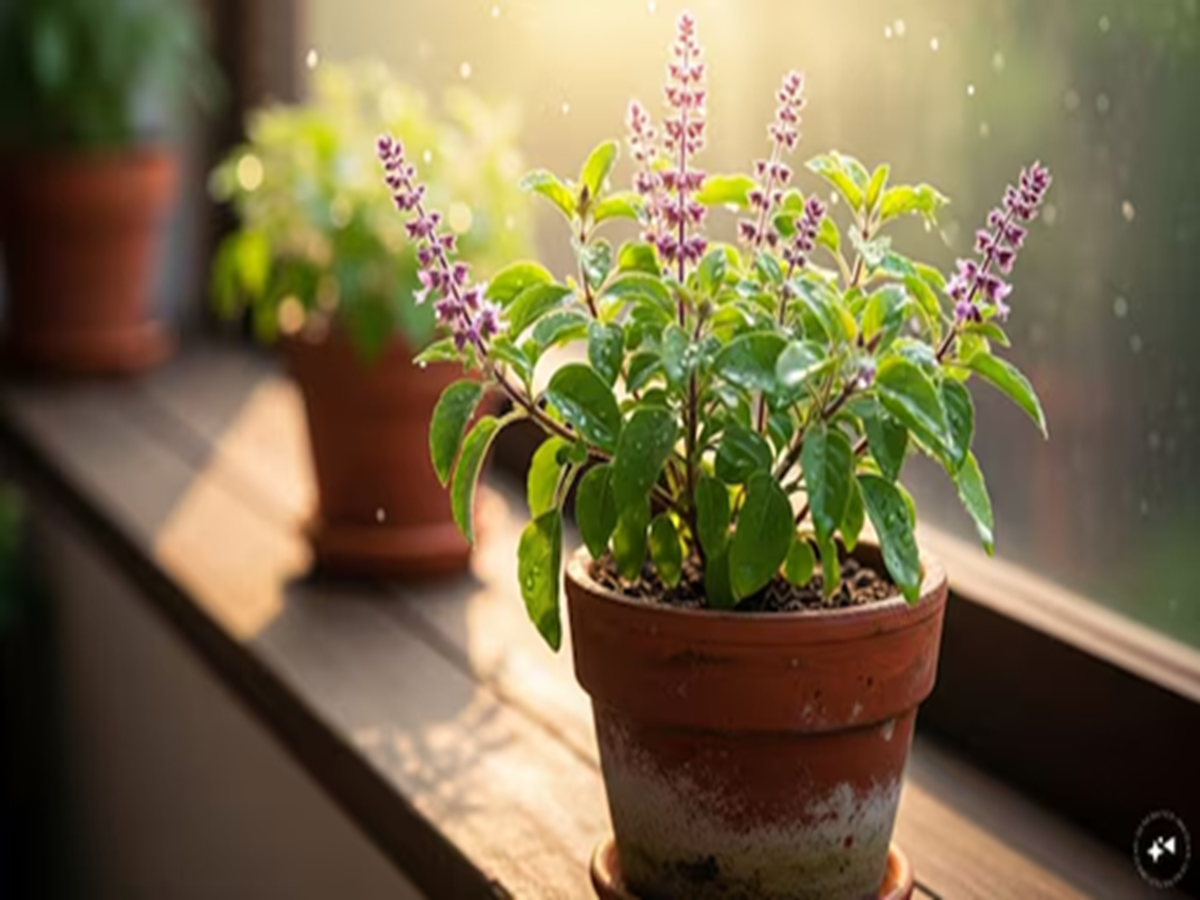
Tulsi Plant Care: As the summer heat intensifies, a common problem begins to emerge in households: the Tulsi (Holy Basil) plant, typically placed in the courtyard or balcony, suddenly starts to wither. A plant that appears lush green in the morning may look droopy and wilted by evening. While many attribute this solely to the effects of the weather, in Indian tradition and astrology, the drying up of a Tulsi plant is not considered a trivial occurrence. This is precisely why people remain particularly vigilant regarding the care of their Tulsi plants during the summer months. Notably, by adopting a few simple home remedies, one can keep the Tulsi plant lush and green for an extended period. Among these remedies, mixing raw milk with water and pouring it into the plant's roots is considered the most effective method.
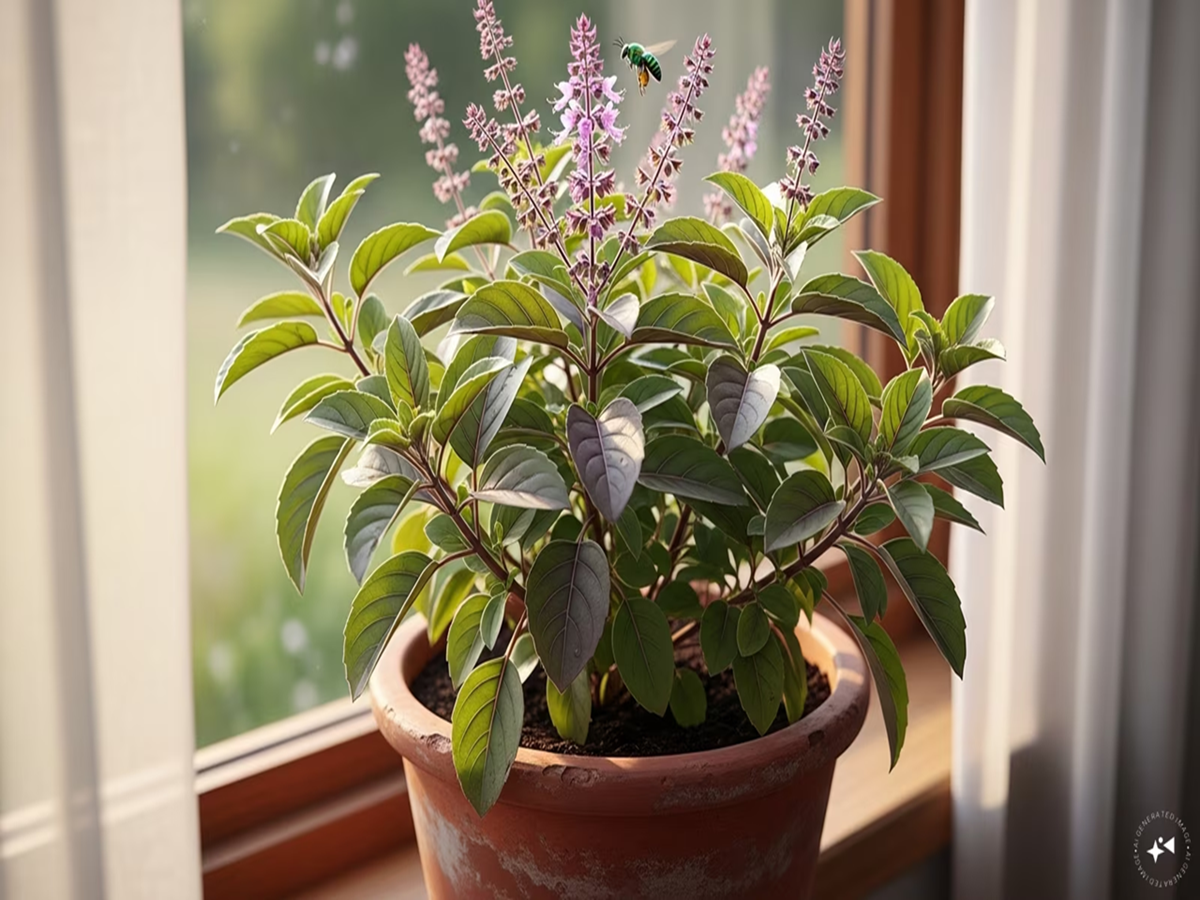
**Why Does Tulsi Dry Up in Summer?**
The Tulsi plant is extremely sensitive. Intense sunlight, hot winds, and a lack of moisture in the soil weaken its root system. Often, people water the plant daily, yet watering it at the wrong time can actually cause further damage. Water poured during the afternoon can turn into steam within the hot soil, thereby harming the roots. According to experts, during the summer, Tulsi should be watered either early in the morning or after sunset. This helps retain moisture within the plant and keeps the leaves looking fresh.
**Why is the Remedy of Pouring Milk into the Roots Considered Special?**
**Perform This Simple Remedy on Thursdays**
According to religious beliefs, offering water mixed with a small amount of raw milk to the Tulsi plant on a Thursday is considered highly auspicious. It is important to note that one should not offer milk alone; rather, a few drops of milk should be mixed into the water. Doing so provides nourishment to the plant's roots and helps maintain the fertility of the soil.
In many households, the elders continue to uphold this tradition to this day. They believe that this practice prevents the Tulsi plant from drying out prematurely and helps maintain a flow of positive energy within the home.
**Simple Home Remedies to Keep Tulsi Green**
**Use Earthen Pots**
Compared to plastic containers, earthen (clay) pots are considered far more beneficial for plants. The porous nature of clay allows air to circulate freely through the soil, thereby keeping the roots healthy. **Coconut Husks Help Retain Moisture**
If your Tulsi plant keeps drying out, place dried coconut husks at the bottom of the pot. These husks absorb water and help maintain moisture in the soil for an extended period. This remedy is considered particularly effective in regions experiencing intense heat.
**Protection from Sunlight is Also Essential**
During the summer months, direct afternoon sunlight can scorch the leaves of the Tulsi plant. In such cases, drape a light red cotton cloth over the plant in a way that allows for air circulation while shielding it from direct, harsh sunlight.
**Why is the Drying of Tulsi Considered an Omen?**
**What Does Astrology Suggest?**
According to religious beliefs, the Tulsi plant is associated with the planet Mercury (Budh). It is said that if the Tulsi plant in a home repeatedly dries out, it may serve as a sign of impending difficulties or mental stress in one's life.
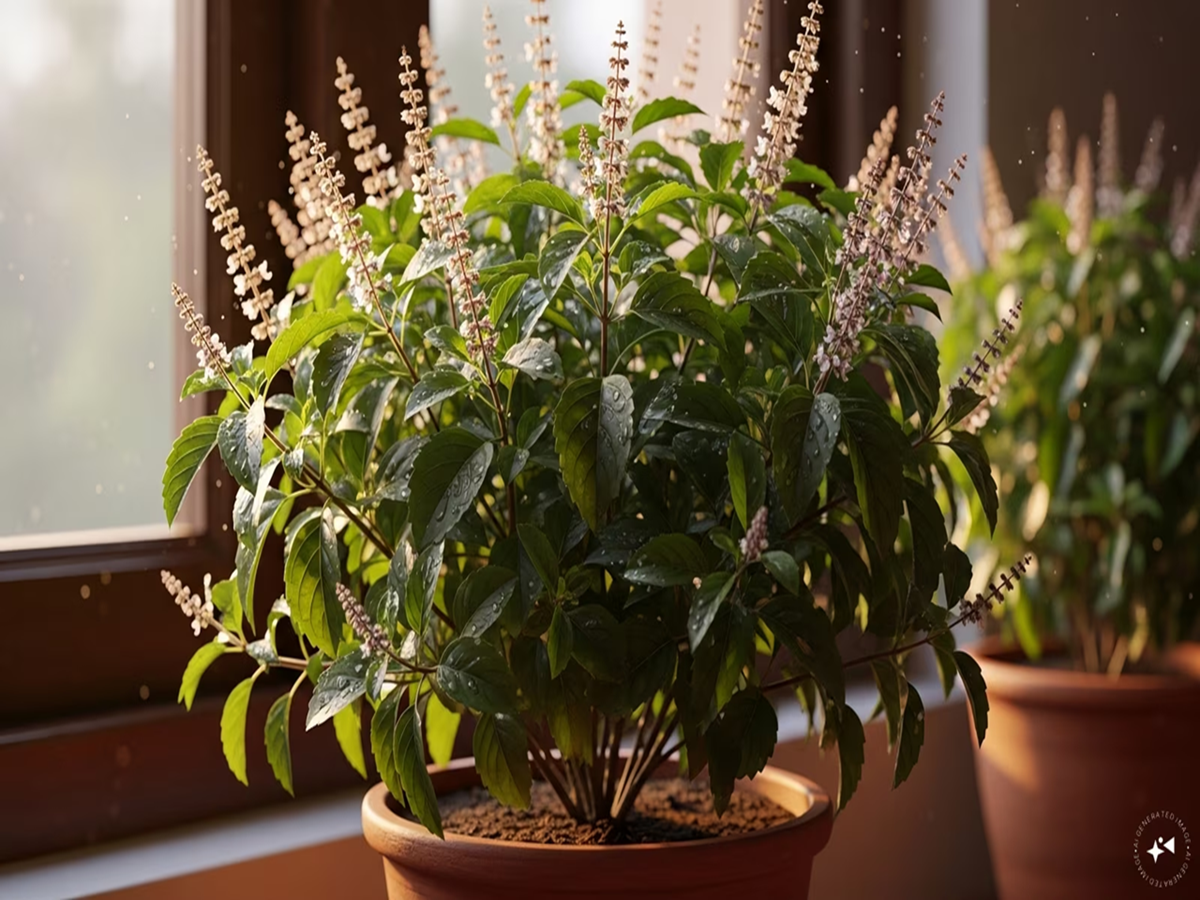
Some people also attribute this phenomenon to *Pitru Dosha* (ancestral affliction). It is believed that if the leaves begin to wither or fall off just a few days after planting a new sapling, it is not considered an auspicious sign. However, alongside the principles of Vastu and Astrology, providing proper care for the plant remains equally crucial.
PC Social Media