
LIFESTYLE
What are systolic and diastolic blood pressure? What is their normal range? Get an explanation from an expert..
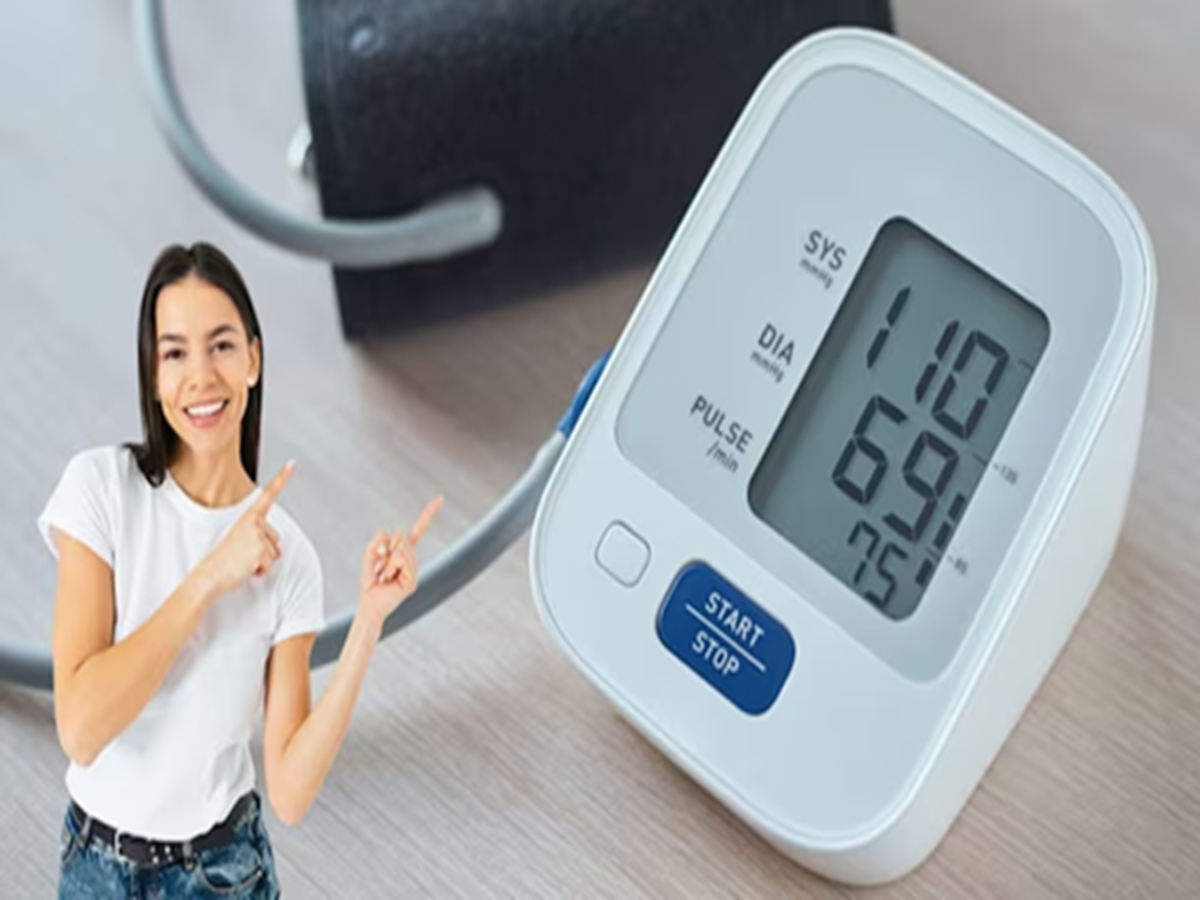
Systolic vs. Diastolic BP: The problem of high blood pressure is currently on the rise at an alarming rate, with a large number of people falling victim to it. Whenever you check your blood pressure using a digital monitor, the reading displays two numbers—such as 120 and 80. While many people recognize this as a blood pressure reading, they often do not understand the true significance of the systolic and diastolic components. Some individuals consider only the upper reading to be important, while others take the lower reading more seriously. According to health experts, having a proper understanding of blood pressure is essential for maintaining good heart health.

What is Systolic BP?
Dr. Sonia Rawat, Director of the Department of Preventive Health and Wellness at Sir Ganga Ram Hospital in New Delhi, explained to News18 that the upper number in a blood pressure reading is known as systolic BP. This number indicates the pressure exerted when the heart pumps blood throughout the body. When the heart beats and propels blood into the arteries, the pressure exerted on the arterial walls at that moment is termed systolic pressure. For instance, in a reading of 120/80, the number 120 represents the systolic BP. If systolic pressure remains consistently high, it can place excessive strain on the heart and blood vessels.
What is Diastolic BP?
According to medical experts, the lower number in a blood pressure reading is referred to as diastolic BP. This figure indicates the pressure present when the heart is in a state of rest between beats. When the heart relaxes prior to its next beat, the residual pressure within the arteries is known as diastolic pressure. In a reading of 120/80, the number 80 represents the diastolic BP. If this reading remains consistently elevated, it too can lead to serious health complications; therefore, keeping it under control is of utmost importance.
What is the Normal Range for Blood Pressure? When Her Mother
According to experts, normal blood pressure is considered to be 120/80 mmHg. If the systolic BP is below 120 and the diastolic BP is below 80, it is considered normal. Conversely, a reading of 130/80 or higher may indicate high blood pressure. If high blood pressure persists over a long period, it can increase the risk of heart disease, stroke, kidney problems, and vision-related complications. Often, the early symptoms of high blood pressure go unnoticed, which is why it is also referred to as the "silent killer."
When Should You Consult a Doctor?
If you frequently experience symptoms such as headaches, dizziness, shortness of breath, or chest pain, you should seek a medical examination immediately. If your blood pressure readings consistently fall above or below the normal range, you should not ignore it. With timely and appropriate treatment—along with lifestyle modifications—blood pressure can be effectively controlled. To maintain normal blood pressure levels, it is crucial to consume a balanced diet, limit salt intake, engage in regular exercise, and reduce stress. Avoiding smoking and alcohol consumption is also essential for keeping blood pressure under control.
PC Social Media