
LIFESTYLE
Panpatia Trek: At 17,257 feet, it is the most dangerous route from Badrinath to Kedarnath..
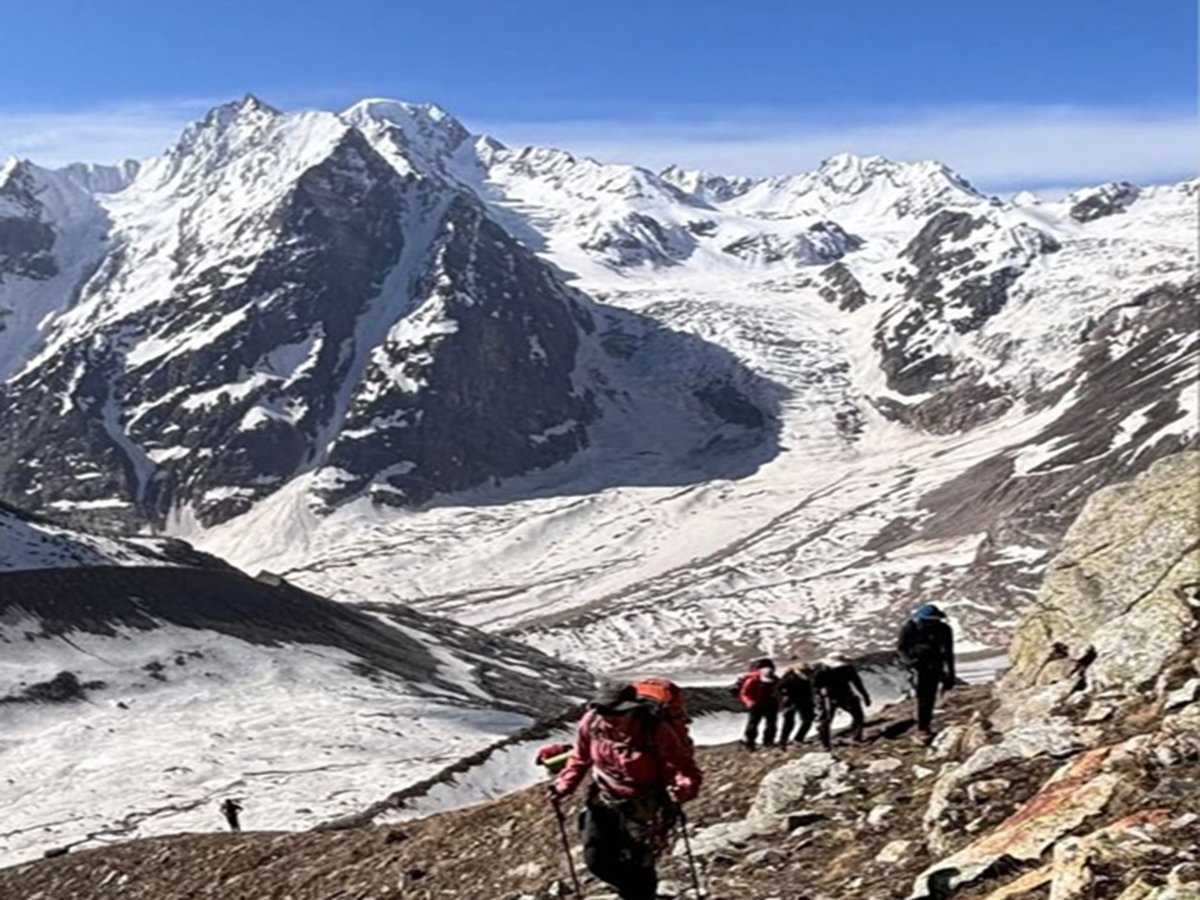
Uttarakhand’s "Devbhumi" (Land of Gods) holds within its depths a multitude of mysteries and adventures. One such marvel is the Panpatia Col Trek, often hailed as the "Crown of Uttarakhand." Nestled in the lap of the Garhwal Himalayas, this high-altitude pass is renowned for both its elevation and its breathtaking beauty.
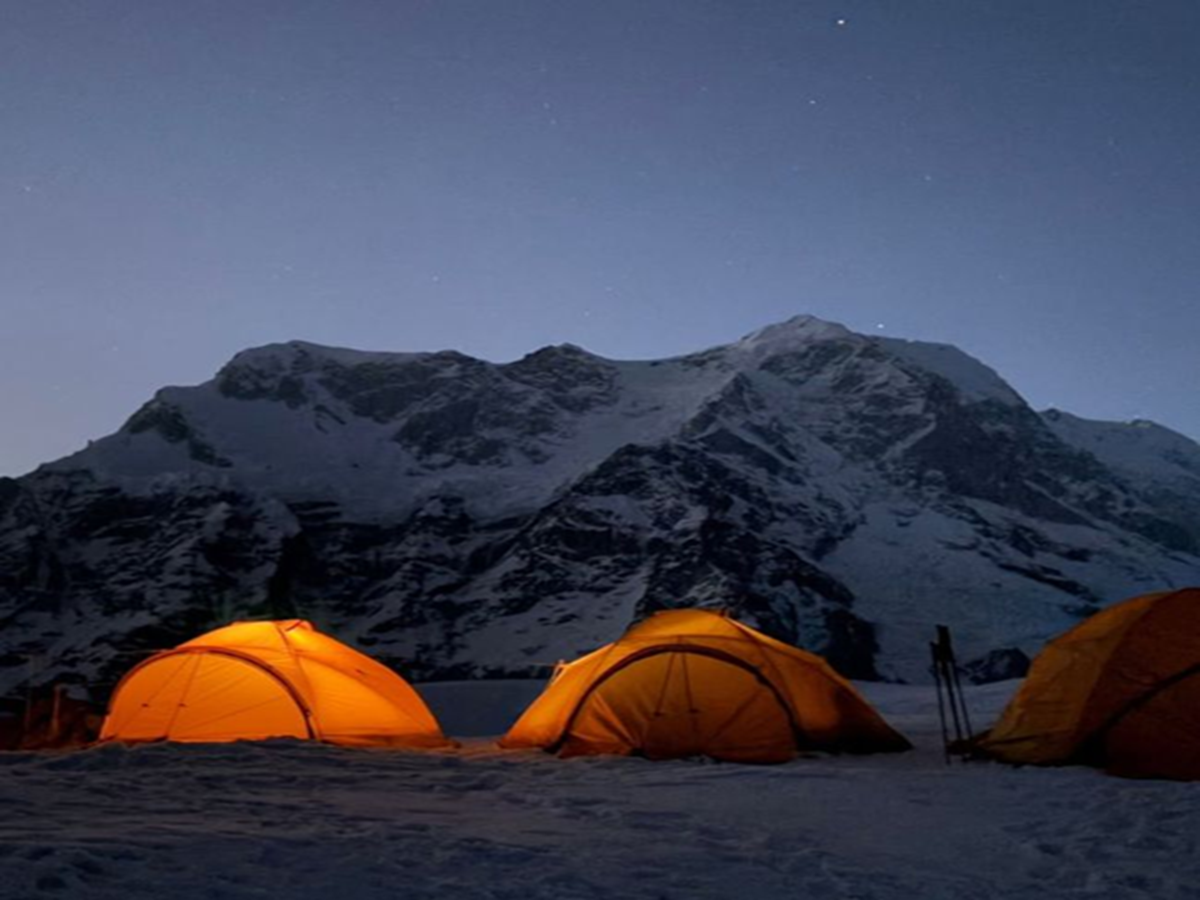
It also connects two of the most sacred Hindu pilgrimage sites—Badrinath and Kedarnath—via a thrilling trekking route. Let us explore how this trek acquired its name and, for those aspiring to undertake this journey, determine the best time to visit.
Why is the Name "Panpatia" Significant?
The trek derives its name, Panpatia, from the vast glaciers that sprawl across this region. In ancient times, this route was not merely confined to maps; rather, local inhabitants and ascetics would traverse this arduous path to complete their pilgrimage between Badrinath and Kedarnath. In the modern era, this trail has evolved into a powerful symbol of courage and adventure for enthusiasts across the globe.
A Rendezvous with Nature at 17,257 Feet
Situated at an elevation of approximately 17,257 feet above sea level, this trek typically commences in Badrinath and concludes in Kedarnath. Throughout this expedition, trekkers pass through significant waypoints such as Mana Village, Ghastoli, the colossal Panpatia Glacier, and Madmaheshwar. Amidst the desolate valleys and glistening glaciers of this region, the atmosphere is so profoundly serene that one feels an intimate connection with nature itself. Spotting rare flora and Himalayan wildlife here is an experience unlike any other.
A Journey Fraught with Challenges
The route of the Panpatia Col Trek winds its way across snowfields, jagged rocky terrain, and massive glaciers. This trek is considered suitable only for experienced trekkers, as it entails formidable challenges such as navigating deep glacial crevasses and undertaking technical climbs. The spectacular vistas of the Chaukhamba and Neelkanth peaks, visible from this route, are truly mesmerizing and capable of captivating the heart of any beholder.
The Historic Success of the Year 2000
For a long time, traversing this arduous route remained a formidable challenge. In modern times, a major breakthrough in discovering this path was achieved in the year 2000. British mountaineer Martin Moran led an expedition near the Neelkanth Peak. Successfully crossing the Panpatia Snowfield, they emerged on the Kedarnath side—marking the first successful attempt to complete this high-altitude route.
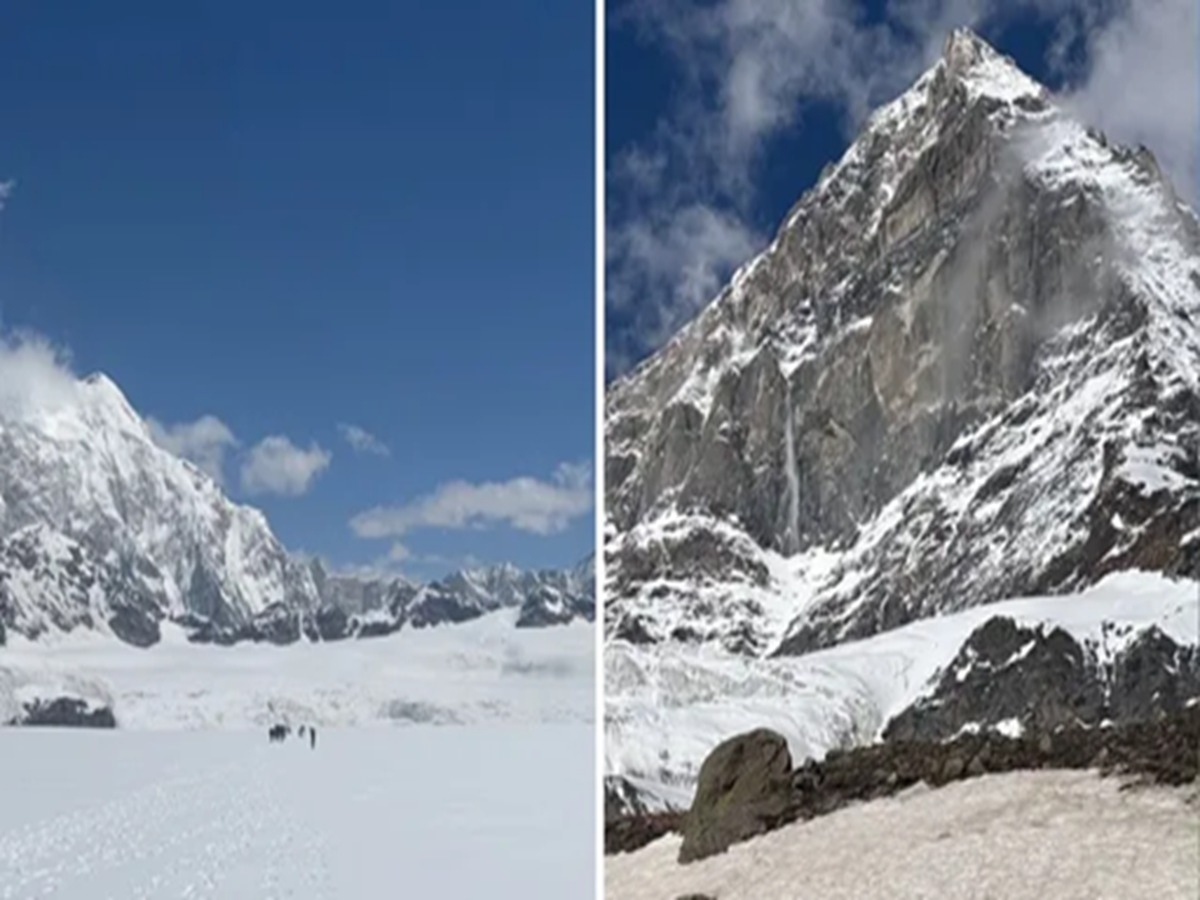
The Ideal Time for the Journey
If you wish to embark on this thrilling expedition, the months of May and June are considered the best, as this is when the snow begins to melt. Additionally, the weather remains clear in September and October, following the monsoon season. However, visiting this region during the winter and monsoon months is extremely hazardous, and even a minor misstep could prove fatal.
PC Social Media