Food & recipe
Your rotis will remain soft and fluffy for hours—simply follow these tips while kneading the dough..
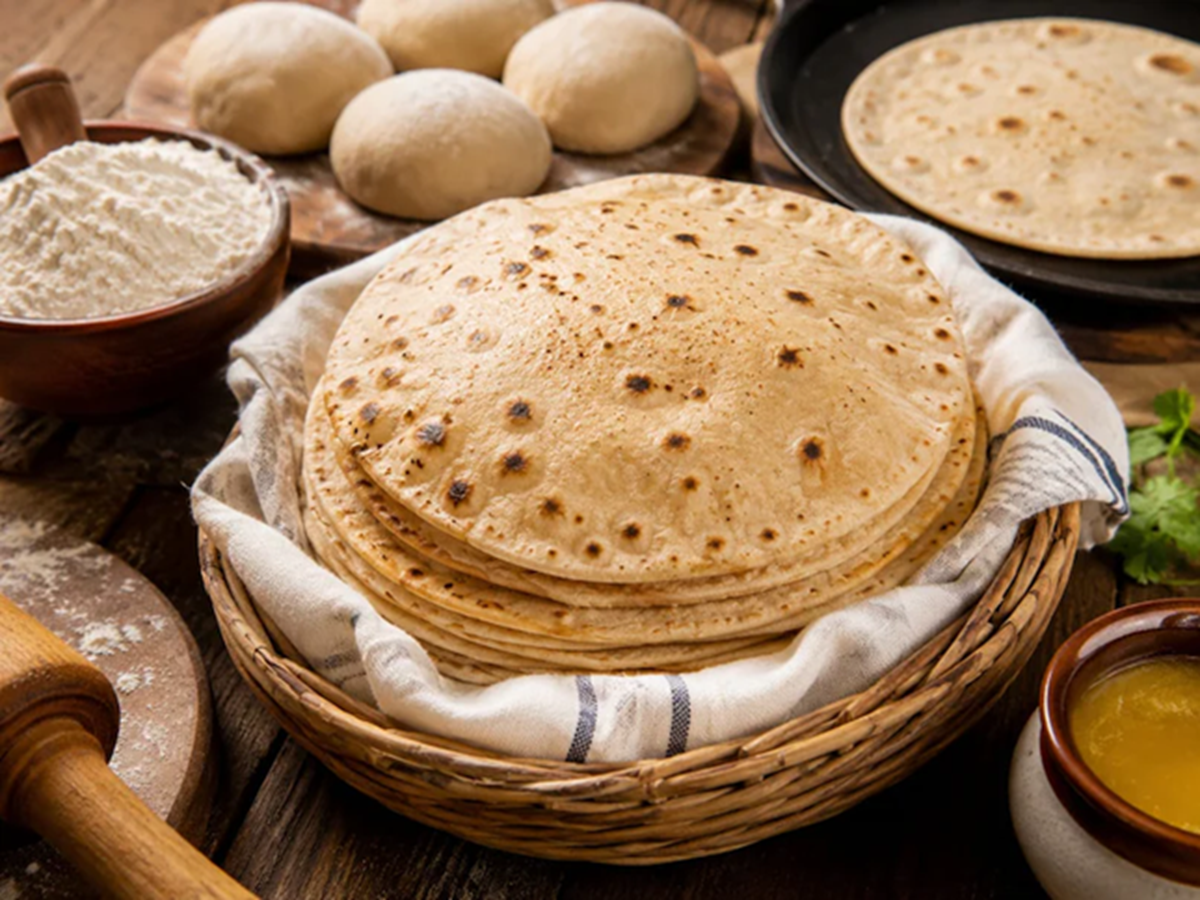
Tips for Soft Chapatis: The *roti* (flatbread) is an indispensable part of Indian cuisine. Whether it’s for breakfast, lunch, or dinner, the pleasure of eating a hot, soft *roti* is truly unique. However, it often happens that while a *roti* remains soft immediately after being made, it becomes hard and tough to chew after a short while. This problem becomes particularly acute when preparing meals for a packed lunch (*tiffin*) or when making a large batch of *rotis* at home in one go. Many people assume that the flour itself is the sole culprit; however, the truth is that the softness of a *roti* depends equally on the kneading method, the amount of water used, the rolling technique, and the way it is roasted.
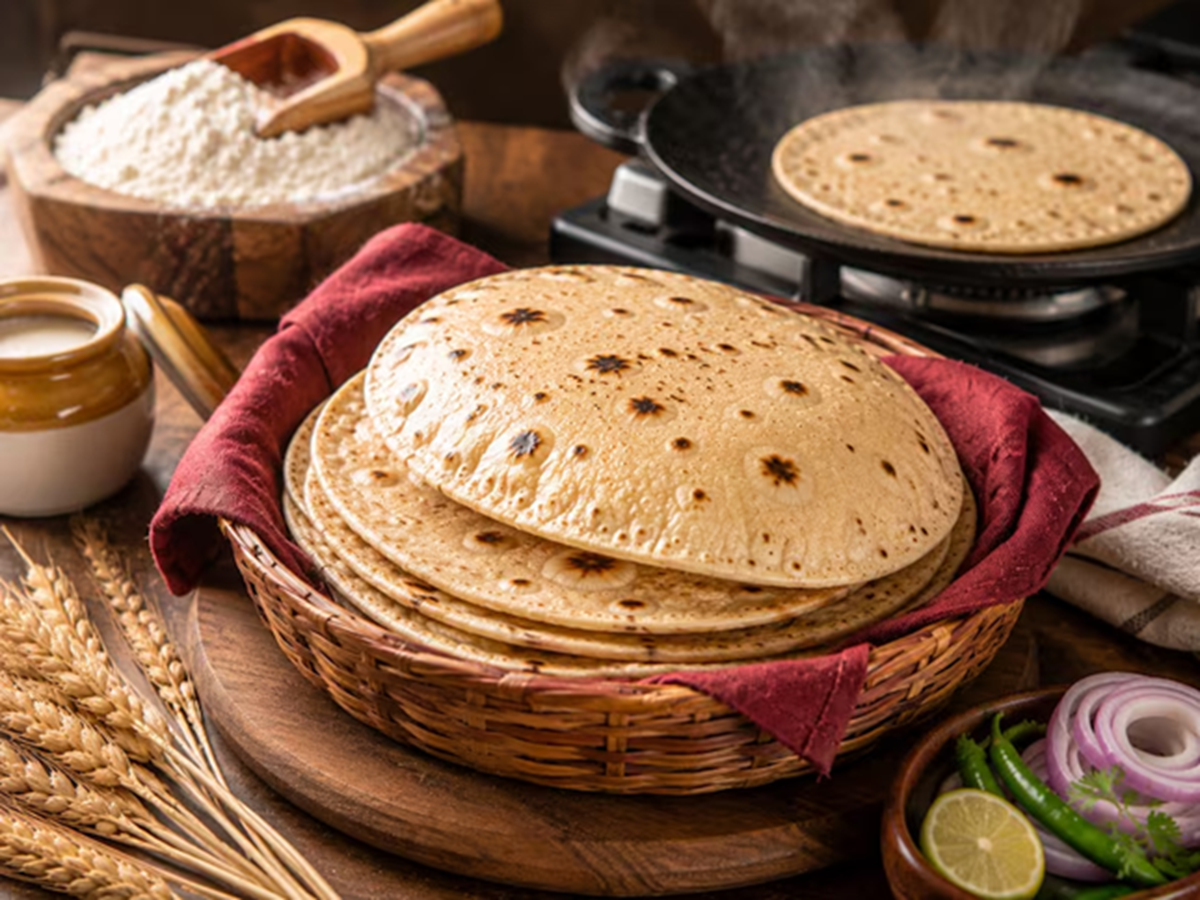
By adopting a few small yet correct habits, you can ensure that your *rotis* remain soft, fluffy, and as fresh as new for hours on end. The good news is that this doesn't require any expensive ingredients or equipment—just an understanding of a few simple kitchen principles.
Choosing the Right Flour Makes a Big Difference: The journey to a soft *roti* begins with the right flour. Flour that is too old or excessively dry can result in hard *rotis*. Aim to use fresh, high-quality wheat flour. You may also choose to sift the flour before use to ensure it is free of lumps or coarse particles. Some people like to mix in a small amount of multi-grain flour; however, adding too much can make the *rotis* slightly heavy in texture. For consistently soft *rotis*, plain wheat flour is generally considered the best choice.
Maintaining the Right Water Balance While Kneading is Crucial: A dough that is too stiff will result in hard *rotis*, whereas a dough that is too loose will be difficult to roll out. Therefore, add water gradually while kneading to create a dough that is soft and pliable, yet does not stick to your hands. Using slightly lukewarm water can also help produce a better dough consistency. This improves the texture of the *rotis* and helps them retain their softness for a longer duration.
Don't Forget to Let the Dough Rest: Many people, in their haste, begin making *rotis* immediately after kneading the dough. This is a common mistake that should be avoided. Allowing the dough to rest, covered, for at least 15 to 30 minutes allows the moisture to distribute and settle properly. This improves the quality of the dough and results in softer rotis. Cover the dough with a clean cloth or a plate while it rests. This simple trick makes a significant difference.
**Avoid using excessive dry flour while rolling:** Applying too much dry flour while rolling the roti can cause it to become dry and stiff. Use only as much dry flour as is necessary. If you find yourself needing to apply excessive flour repeatedly, it indicates that the dough itself lacks the proper balance of moisture. Rotis rolled with minimal dry flour turn out softer and retain a better flavor.
**Baking at the right temperature is crucial:** If the griddle (tava) is too cool, the roti will dry out; conversely, if it is too hot, the exterior will burn while the interior remains undercooked. It is best to cook rotis over a medium-to-high flame. Allow small bubbles to appear on one side first before flipping it over. Flipping the roti at the precise moment ensures that it puffs up nicely and remains soft.
**How you store them after cooking also matters:** Many people leave freshly made rotis on an open plate, causing them to lose their moisture. As soon as the rotis are cooked, wrap them in a clean cloth or place them in an airtight container with a lid. This traps the steam inside, keeping the rotis soft for a longer period. If you are packing them for a tiffin or lunchbox, wait for the initial steam to dissipate slightly before packing to prevent the rotis from becoming soggy.
**A light layer of ghee can also help:** If you prefer your rotis extra soft, you can apply a thin layer of ghee after cooking them. This helps retain the moisture in the roti and enhances its flavor. However, this is entirely a matter of personal preference; with the right technique, it is possible to make soft rotis even without using ghee.
PC Social Media