LIFESTYLE
World Kidney Day: If your blood pressure and sugar levels are not under control, you might lose your kidneys too..
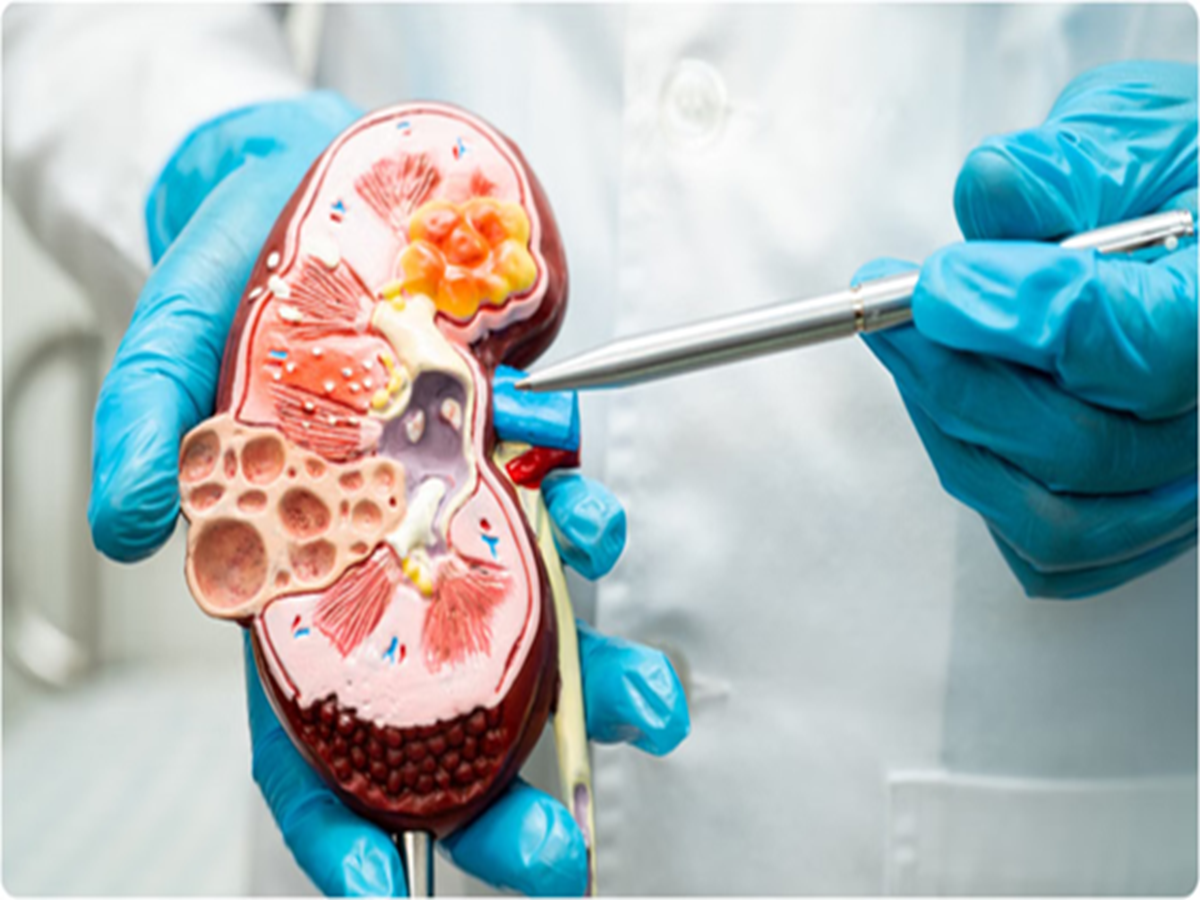
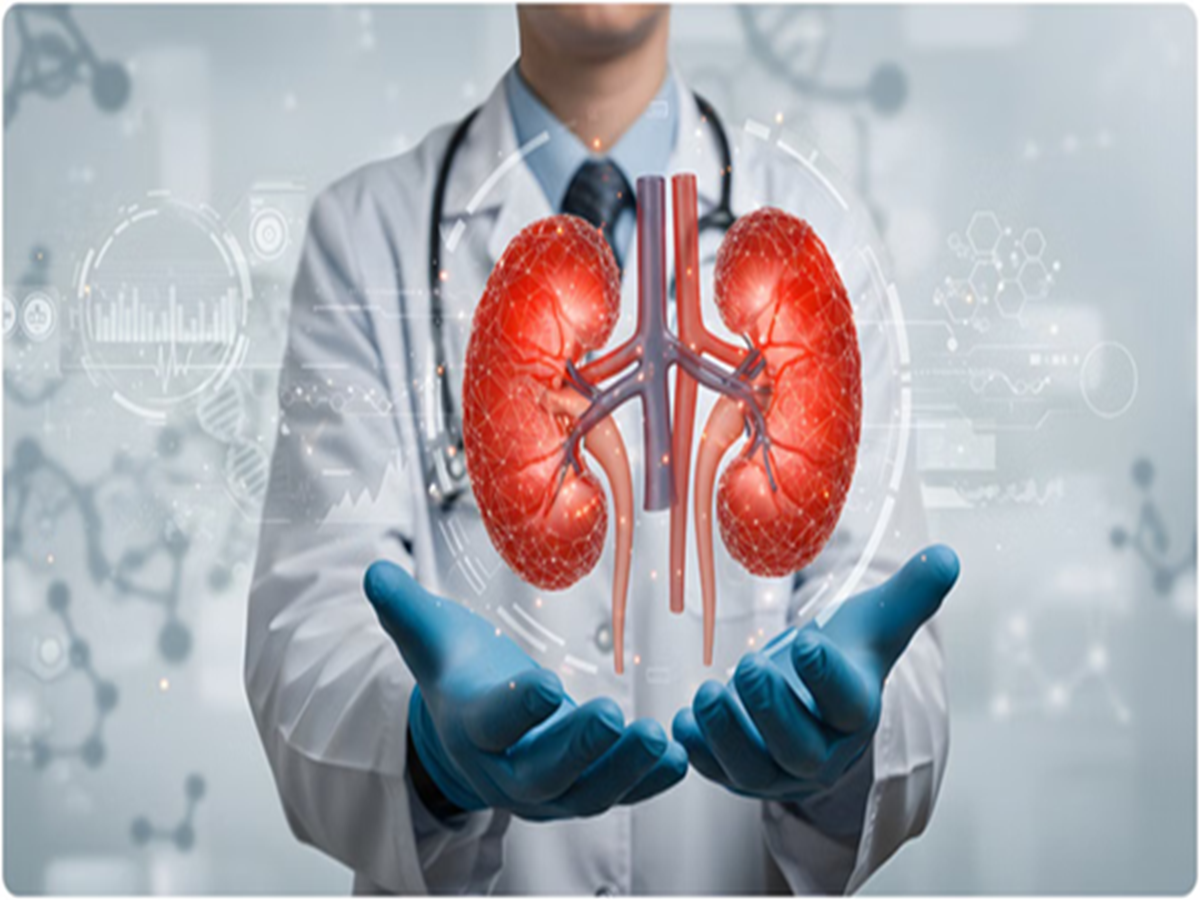
The kidneys are one of the most important parts of our body. Although this organ is quite small, it plays a vital role in the body's functioning. The kidneys filter approximately 130-140 liters of blood daily, removing toxins, wastes such as urea and creatinine, and excess water.

The kidneys also play a crucial role in controlling blood pressure. This small organ also has many important functions, such as maintaining the balance of electrolytes (sodium, potassium) and regulating the pH level of the blood.
However, the incidence of kidney-related diseases is rapidly increasing worldwide. Even younger people are at risk. If kidney problems are not addressed promptly, they can lead to kidney failure, which is considered fatal.
Lifestyle and dietary imbalances are considered major causes of kidney disease. But did you know that frequently having high blood pressure and sugar levels can significantly increase the risk of kidney damage?
Risk of Kidney Disease
World Kidney Day is celebrated every year on the second Thursday of March (this year, March 12th) to educate and raise awareness about the increasing incidence of kidney disease worldwide and to alert people about kidney-related health problems. Several factors have been implicated in kidney disease.
Improper eating habits, high sodium intake, smoking, and alcohol consumption.
Overweight and obesity.
Frequent use of painkillers.
Health experts say that in addition to these risk factors, people who frequently have high sugar levels and blood pressure are at a greater risk of developing kidney problems. Diabetes and hypertension are the leading causes of chronic kidney disease worldwide.
Kidney Disease Due to High Sugar
Doctors say that people who frequently have high sugar levels may be at greater risk of kidney disease.
Long-term high sugar levels damage the small blood vessels in the kidneys.
This can lead to diabetic nephropathy.
Continuously high glucose levels weaken the filtering system, leading to protein in the urine, which can lead to chronic kidney disease.
How Dangerous Is High Blood Pressure?
Like high blood sugar, high blood pressure also puts extra pressure on blood vessels.
Blood pressure gradually damages the delicate veins of the kidneys.
When the kidneys don't function properly, salt and water accumulate in the body, further increasing blood pressure.
People with both high blood pressure and high sugar are at an even greater risk of kidney disease and kidney damage.

What to do to keep kidneys healthy?
Kidney specialists advise that patients with high blood pressure and sugar should take special care of their kidney health. Keeping both blood pressure and sugar levels under control can help prevent major complications. Furthermore, lifestyle modifications are also essential.
Exercise regularly to keep your kidneys healthy. This helps control blood pressure, weight, and blood sugar.
To avoid high blood pressure, limit your salt intake to less than a teaspoon.
Drink plenty of fluids daily to help your kidneys remove toxins from the body.
Increase the amount of fresh fruits, vegetables, and whole grains in your diet.
Reduce or eliminate processed, high-sodium, and sugary foods.
PC Social Media