LIFESTYLE
World Kidney Day 2026: If creatinine level rises, your kidneys are at risk. Learn its symptoms..
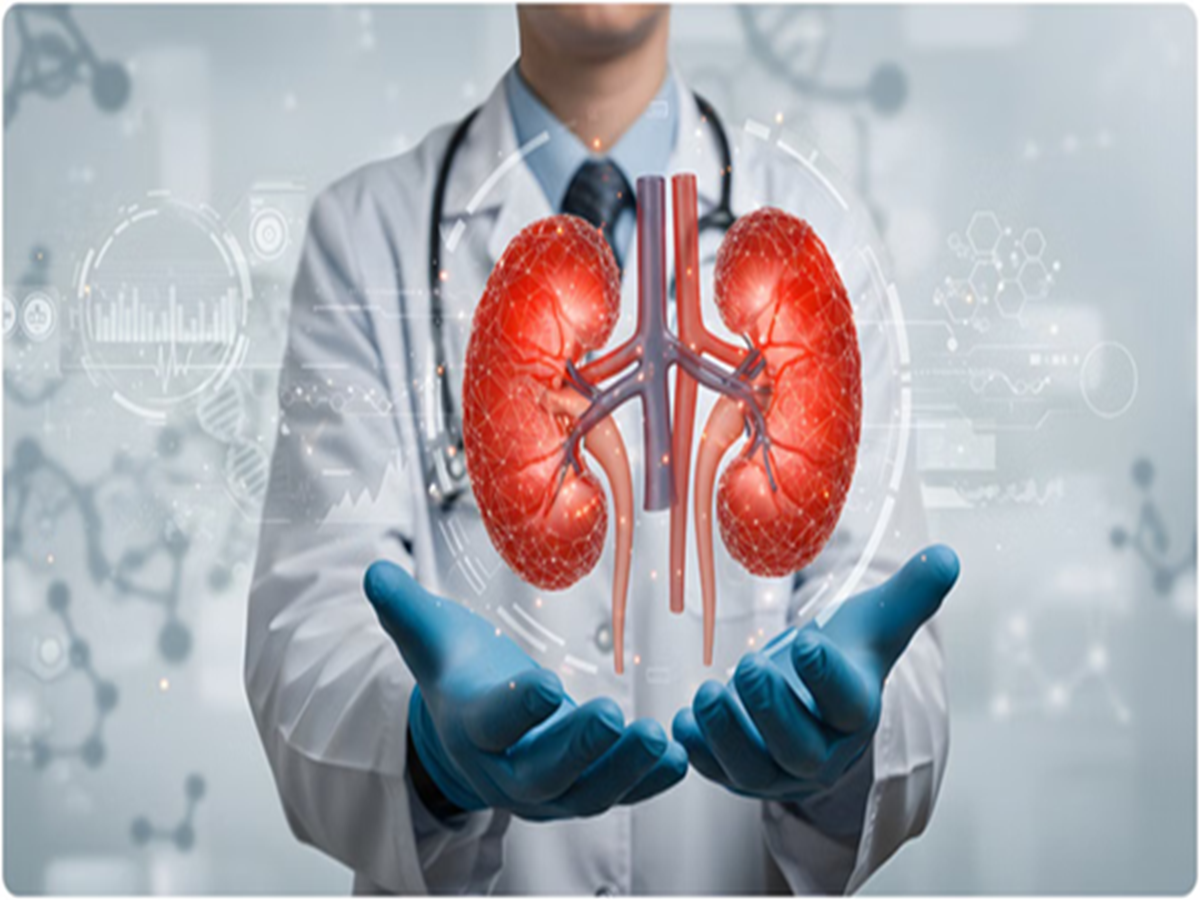
Today is World Kidney Day. World Kidney Day is celebrated every year on the second Thursday of March (this year, March 12th) to educate and raise awareness about the increasing prevalence of kidney disease worldwide and to alert people to kidney-related health issues. Health experts say that kidney problems are increasing rapidly among people of all ages. Children are also at risk of kidney problems.
Health experts explain that the kidneys can be called our body's filter. They filter impurities and excess water from the blood and excrete them through urine. If the kidneys stop functioning properly, there is a risk of increased toxicity in the body, which is why maintaining healthy kidneys is crucial. Everyone should get a kidney function test at regular intervals to determine the health of this organ.
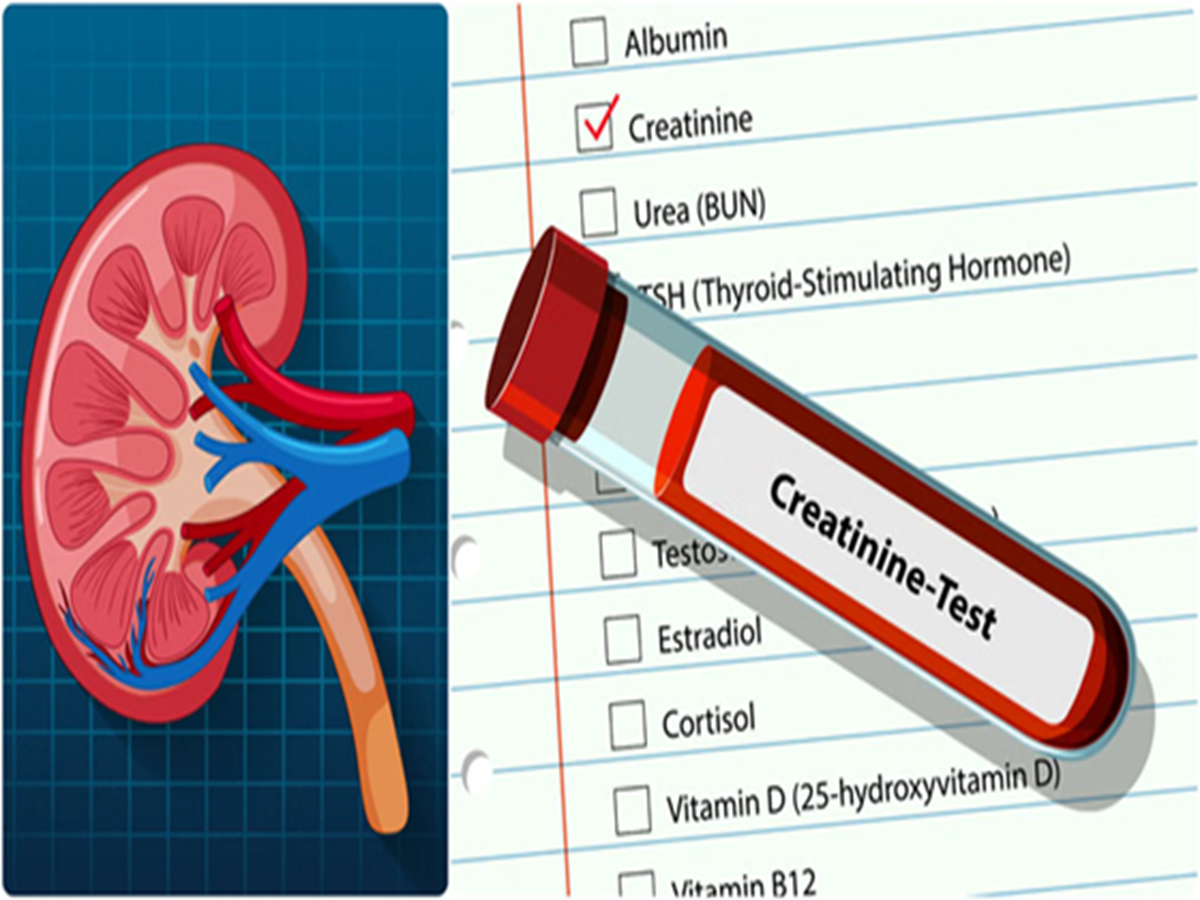
Creatinine levels are often mentioned during kidney tests, but what exactly is creatinine? Let's understand.

Learn about creatinine
Creatinine is a waste product formed by the breakdown of a compound called creatine, which is produced in the body's muscles. When we engage in physical activity, the muscles use energy, and creatinine is produced during this process.
It is continuously produced in the blood, and under normal conditions, the kidneys filter it out of the blood and excrete it through urine.
When the kidneys are functioning properly, creatinine levels in the blood begin to balance.
Elevated creatinine levels may indicate that the kidneys are not filtering the blood adequately.
What should be the creatinine level?
Creatinine levels are determined through a blood test.
A normal creatinine level in adult men is approximately 0.7 to 1.3 mg/dL.
A normal level in women is between 0.6 and 1.1 mg/dL.
If creatinine remains consistently elevated, it's essential to consult a doctor promptly. The higher it is, the more at risk the kidneys are.
What problems does high creatinine cause?
Creatinine levels increase due to weakened kidney filtering capacity. This leads to the accumulation of urea and other toxins in the body.
Diabetes, high blood pressure, heart disease, frequent painkillers, and dehydration can damage the kidneys and cause high creatinine levels. If this condition persists for a long time, the risk of chronic kidney disease (CKD) increases.
Elevated creatinine levels can affect more than just the kidneys.
When the kidneys don't function properly, fluid and electrolyte imbalances occur in the body. This can lead to problems like swelling in the feet, face, or hands, difficulty breathing, and increased blood pressure.
Accumulation of toxins in the blood can cause fatigue, weakness, nausea, vomiting, and loss of appetite.
In some cases, imbalances in potassium levels can lead to irregular heartbeats.
What to do if creatinine levels rise?
If your creatinine levels are frequently elevated, you should consult a doctor to determine if there's a kidney problem. In addition to medication, improve your diet to control creatinine levels.

Eat less protein-rich foods. This reduces the burden on the kidneys.
Increase the amount of fiber-rich foods, such as fruits and vegetables, in your diet.
To maintain normal blood pressure, minimize salt and processed foods.
Drink plenty of water. Drinking 2-3 liters of water daily is essential for good health.
PC Social Media