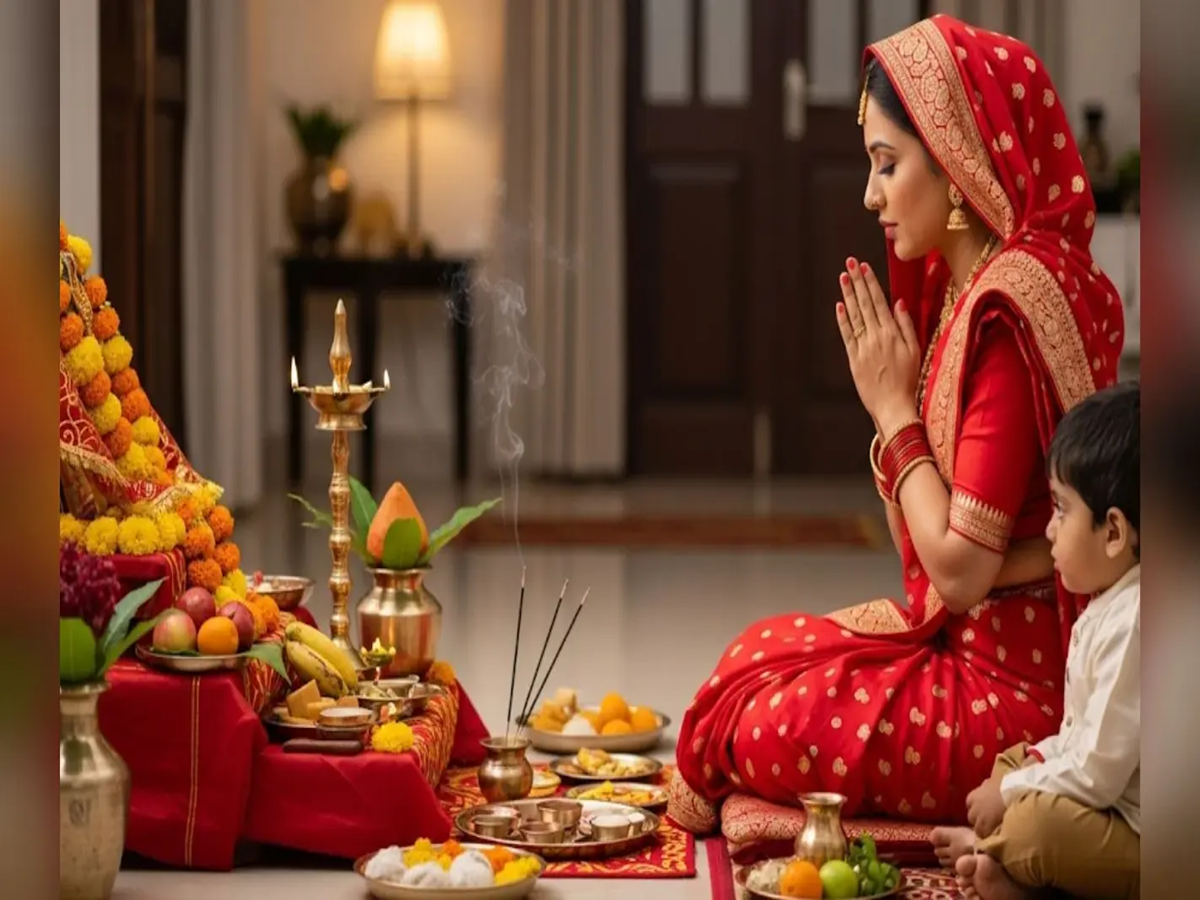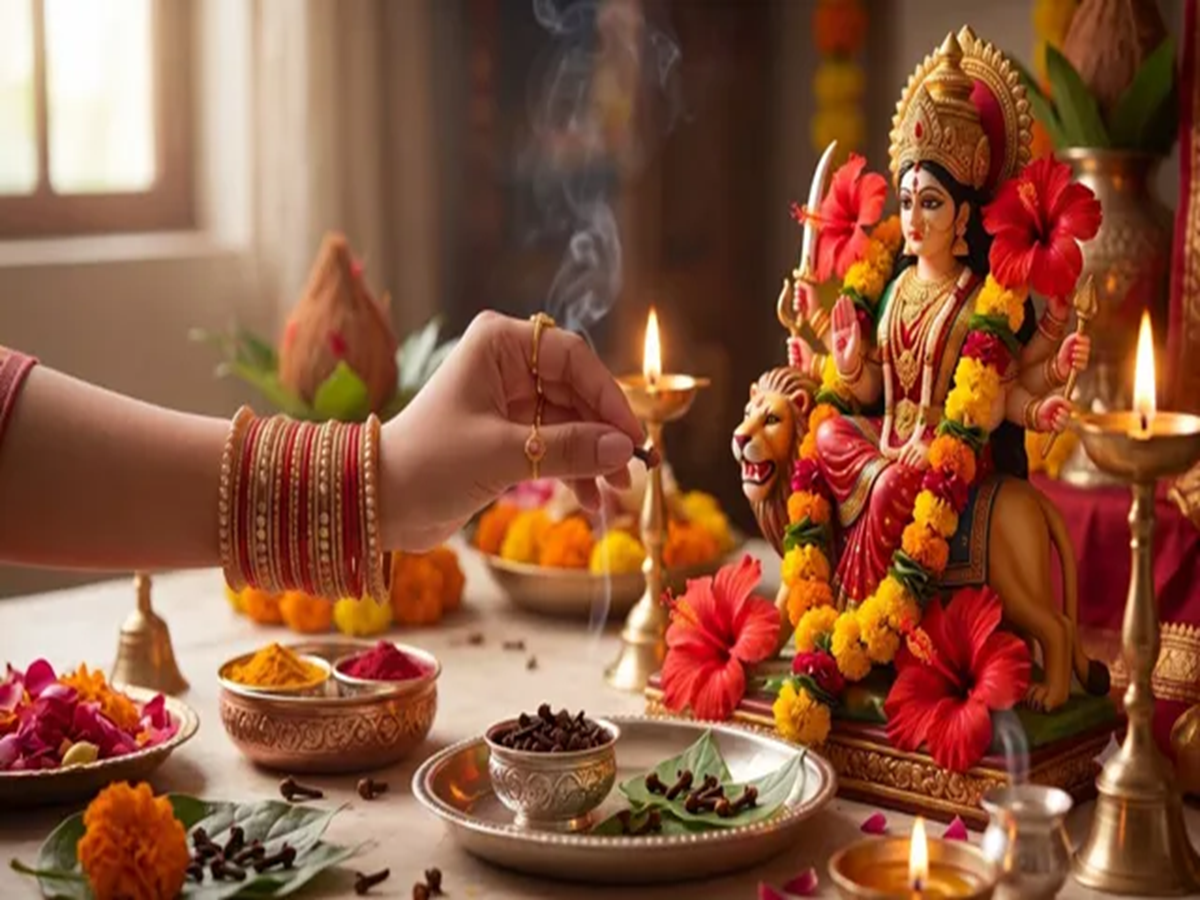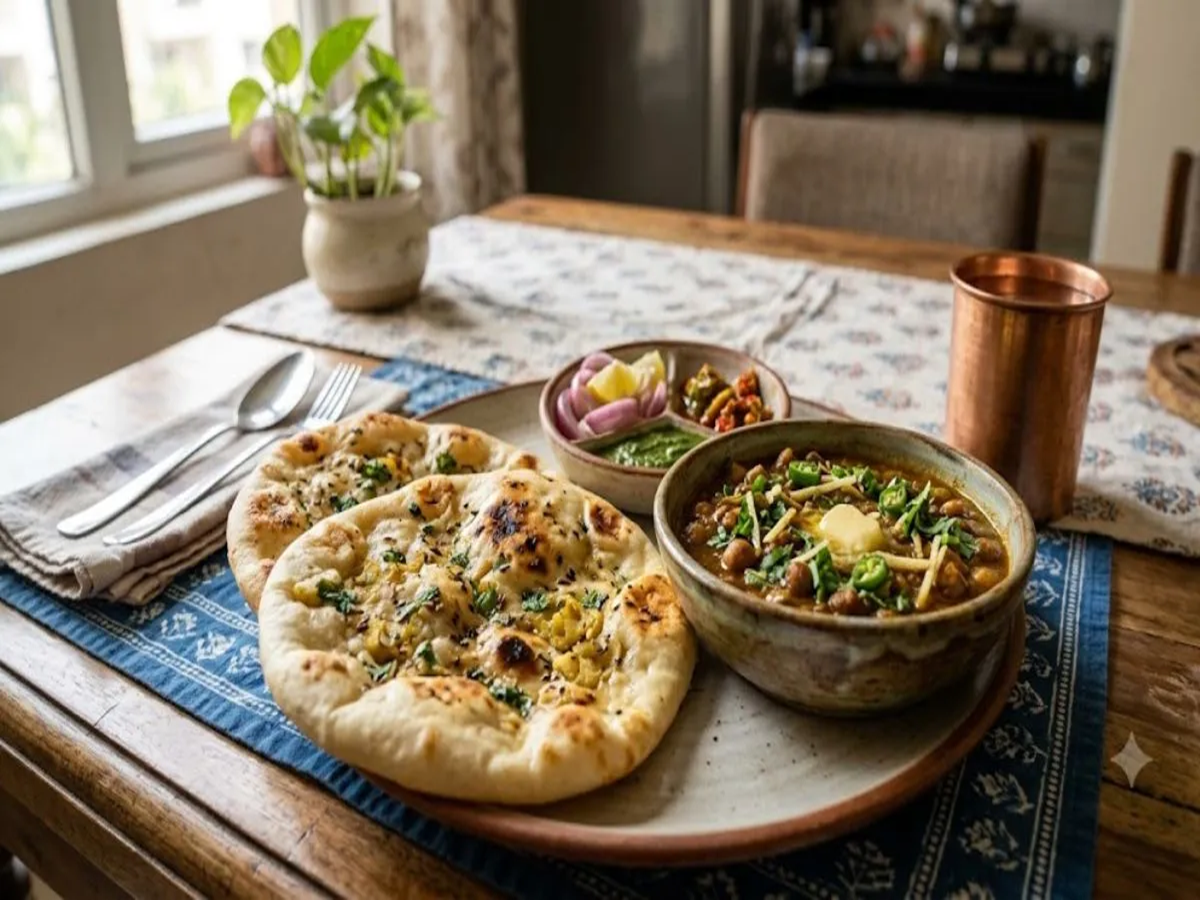

Pitru Paksha 2026 – Pumpkin Dish: In Hinduism, Pitru Paksha is considered a special time to express reverence and gratitude towards one's ancestors. During this period, alongside rituals like *Shraddha*, *Tarpan*, and *Pind Daan*, various dietary traditions are also observed. One such custom involves the preparation of a pumpkin dish. Many families specifically include pumpkin in the *Shraddha* meal, regarding it as a *Sattvic* (pure and wholesome) vegetable. According to religious beliefs, offering *Sattvic* food to ancestors during Pitru Paksha invokes their blessings and ensures peace and happiness within the family. Regional traditions regarding pumpkin vary as well. Why is the pumpkin dish given such importance during Pitru Paksha, and what is the centuries-old belief behind it? Let us find out...
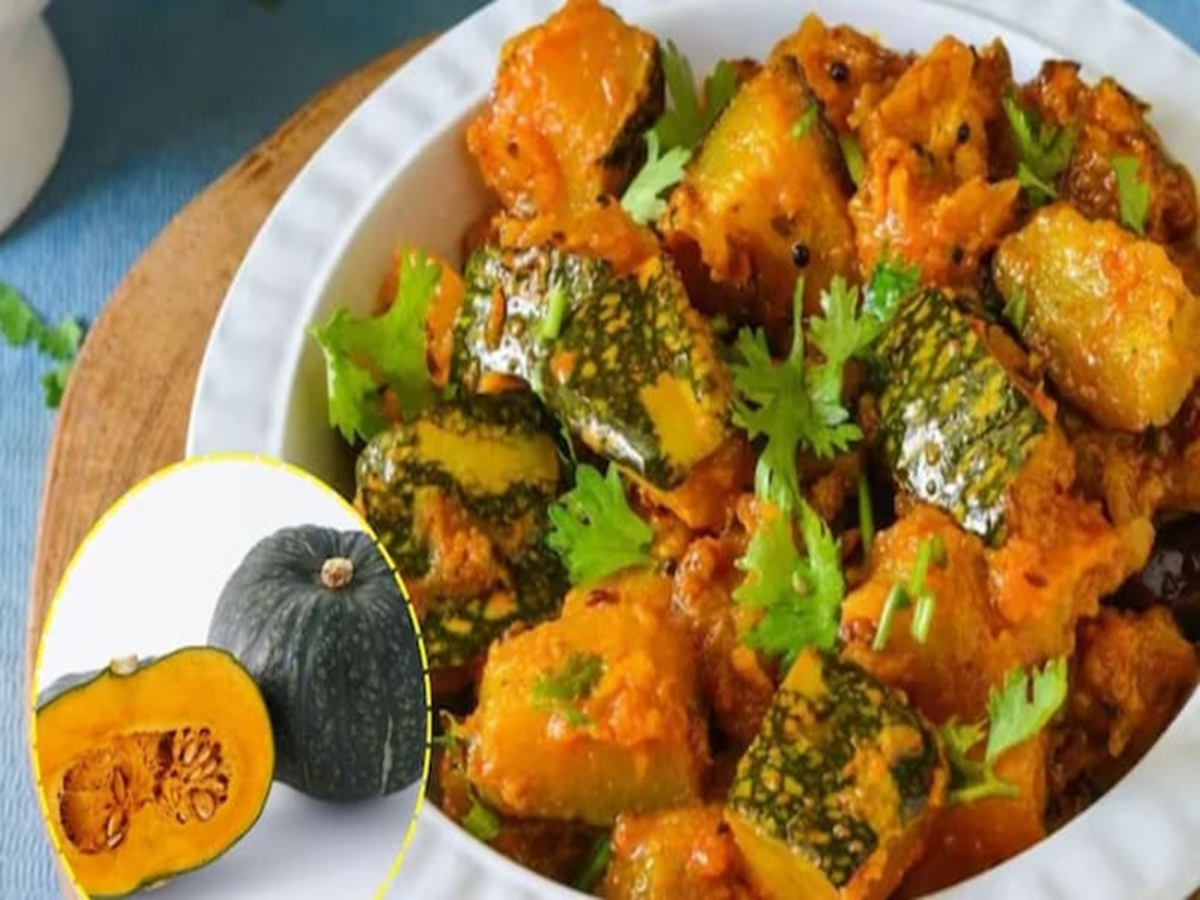
The pumpkin, which originated in America, is now a staple of the Indian kitchen. It is also known by names such as *Kashiphal*, *Kumhra*, and *Petha*. In Ayurveda, it is considered a medicinal fruit. Its significance increases manifold during Pitru Paksha, as many households specifically prepare a sweet-and-sour pumpkin dish without onion or garlic during this time.
In fact, the traditions of Pitru Paksha involve not only performing *Shraddha*, *Tarpan*, and *Pind Daan* for ancestors but also hosting a *Brahmin Bhoj* (feast for Brahmins) and preparing *Sattvic* food dedicated to the ancestors. This meal includes various items that hold religious and traditional significance; pumpkin is one of them.
According to religious and folk beliefs, the food prepared for ancestors must be *Sattvic* and pure. Pumpkin is counted among *Sattvic* vegetables, which is why it is specifically used in the *Shraddha* meal in many regions. It is believed that the *sattvic* (pure and wholesome) food prepared for ancestors brings them contentment and ensures their continued blessings upon the family.
A notable quality of pumpkin is that it can easily be made delicious without using onion or garlic. Since *tamasic* foods are avoided during *Pitru Paksha*, a simple, *sattvic*, and light pumpkin dish becomes a part of the *Shraddha* meal.
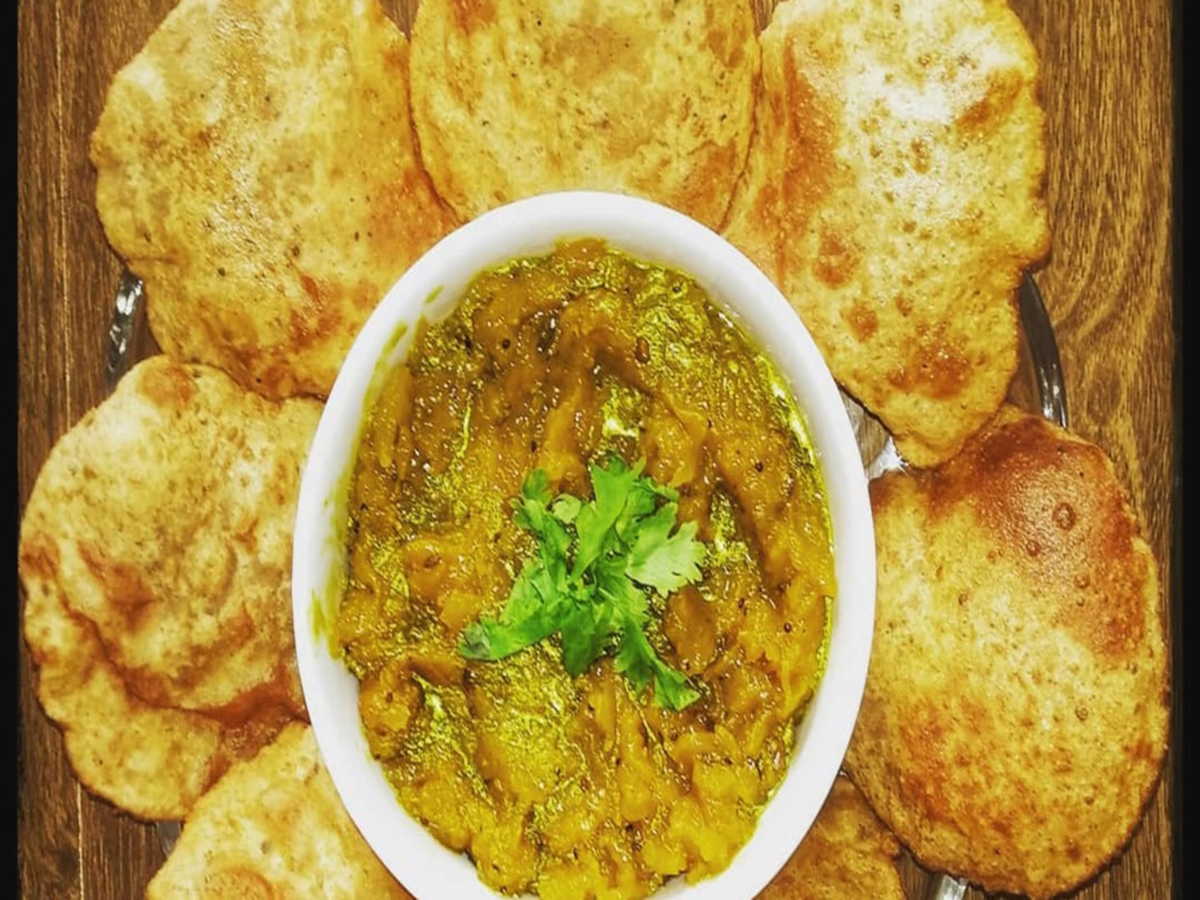
Various folk beliefs regarding pumpkins also prevail across different parts of India. In some regions, the pumpkin is even regarded as a symbol of the family's eldest son. For this reason, women in some families refrain from cutting the pumpkin directly; instead, a male member of the household first cuts it into two halves, after which the women cut it into smaller pieces to prepare the dish. In some places, there is also a custom against cutting a pumpkin in isolation; a lemon, a chili, or another vegetable is placed alongside it to form a pair.