LIFESTYLE
Why do blood clots form during periods? What size of blood clots is considered normal? Learn about the causes and how to manage them..

Women face various challenges during their menstrual periods. In addition to abdominal pain, lower back cramps, and fatigue, some women may also notice blood clots. These clots often appear jelly-like and can be red, dark red, or maroon in color.

Dr. Ritu Sethi, Director and Unit Head of the Department of Obstetrics and Gynecology at Max Hospital, Gurugram, explains that it is normal to pass small blood clots during the initial days of a period, when the flow is heaviest. However, it is not advisable to ignore this every time. If large clots are passed frequently—accompanied by severe pain or excessively heavy bleeding—it could be an indication of an underlying health issue.
Why do blood clots form during periods?
During menstruation, the inner lining of the uterus is shed. This lining consists of blood, tissue, and mucus. Sometimes, blood may pool for a short time before exiting the uterus or vagina, forming jelly-like clots. The body also produces substances that prevent blood from clotting; however, when the flow is very heavy, blood exits the body so rapidly that these substances cannot function effectively, which can lead to the formation of clots. Furthermore, fluctuations in hormones such as estrogen and progesterone can affect the thickness of the uterine lining and the intensity of the bleeding.
What size of blood clots is considered normal?
Passing clots the size of a pea or a small coin during the first day or two of a period is considered normal. Generally, clots smaller than 2.5 centimeters (about one inch) are not a cause for concern, provided they are not accompanied by any other unusual symptoms. If you regularly pass blood clots larger than 2.5 centimeters and experience heavy bleeding, you should consult a doctor.
Causes of large blood clots during periods:
Uterine growths (such as fibroids) can lead to heavy bleeding and the passing of large blood clots.
Conditions like endometriosis and adenomyosis can cause severe pain and heavy bleeding during periods.
Fluctuations in estrogen and progesterone levels can affect the uterine lining.
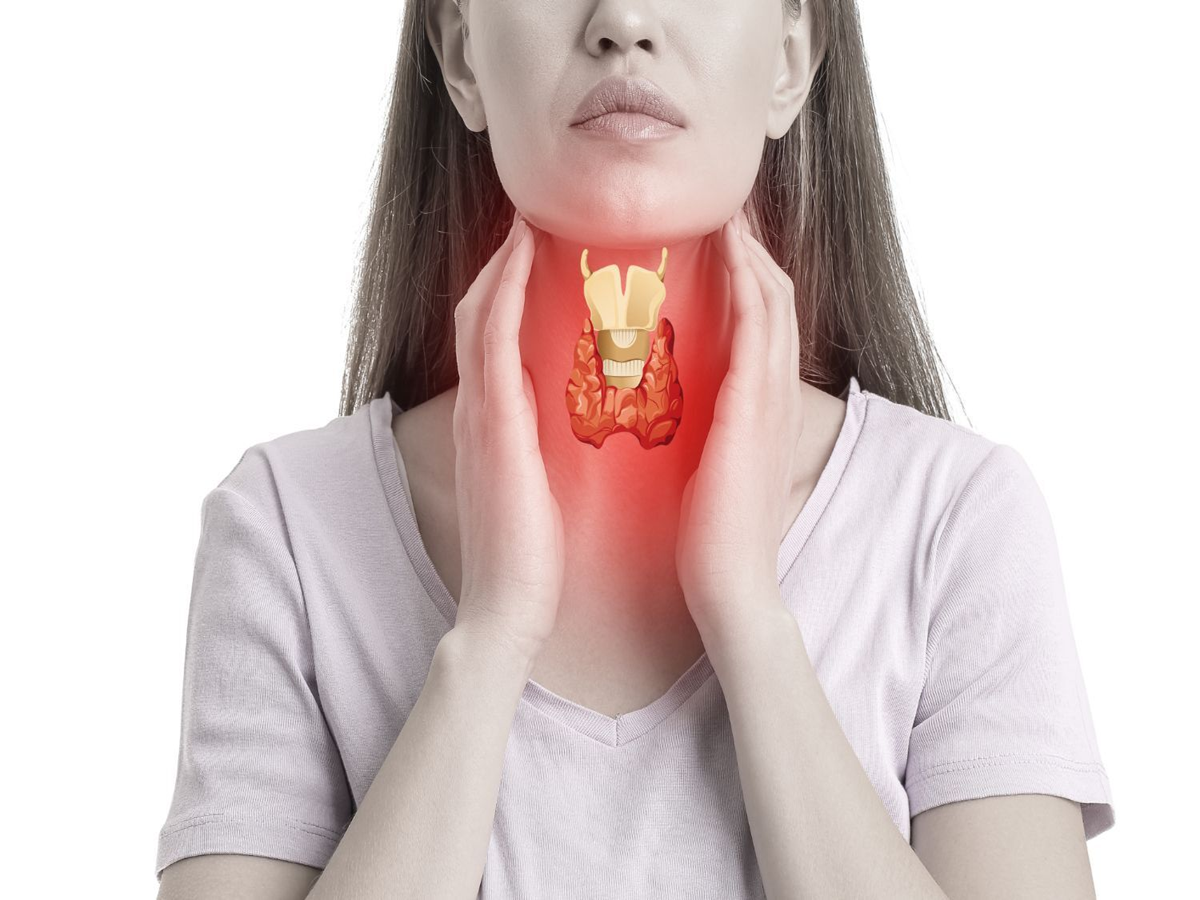
Thyroid imbalances can lead to an increased menstrual flow.
PCOS (Polycystic Ovary Syndrome) can cause irregular periods due to hormonal changes. If periods are absent for a long time, the uterine lining may thicken, which can subsequently lead to heavy bleeding and the passing of large blood clots.
The use of certain types of intrauterine devices (IUDs) can also result in heavier-than-normal bleeding.
When is it necessary to see a doctor?
Consult a gynecologist if you need to change your pad or tampon every one to two hours, if your period lasts longer than seven days, or if you experience extreme weakness or dizziness. Seek immediate medical attention if your pad or tampon becomes completely soaked every hour for two consecutive hours.
Prevention and necessary precautions:
Include green leafy vegetables (such as spinach), beans, and lentils in your diet; these contain iron, which helps address blood loss. Drink an adequate amount of water and other fluids. Engage in regular physical activity and ensure you get enough sleep. Keep a record of your period dates, the duration of your bleeding, and how often you need to change your pads. Also, note the size and number of any blood clots you pass. Treatment depends on the cause of the bleeding; therefore, do not take hormonal medications or drugs to stop bleeding without consulting a doctor. Do not ignore the frequent passing of large blood clots or heavy bleeding, as these can lead to iron deficiency and anemia.
PC Social Media