Parenting
Pollution Alert: Concerns for children's health have grown following Diwali; parents should take note of this medical advice..
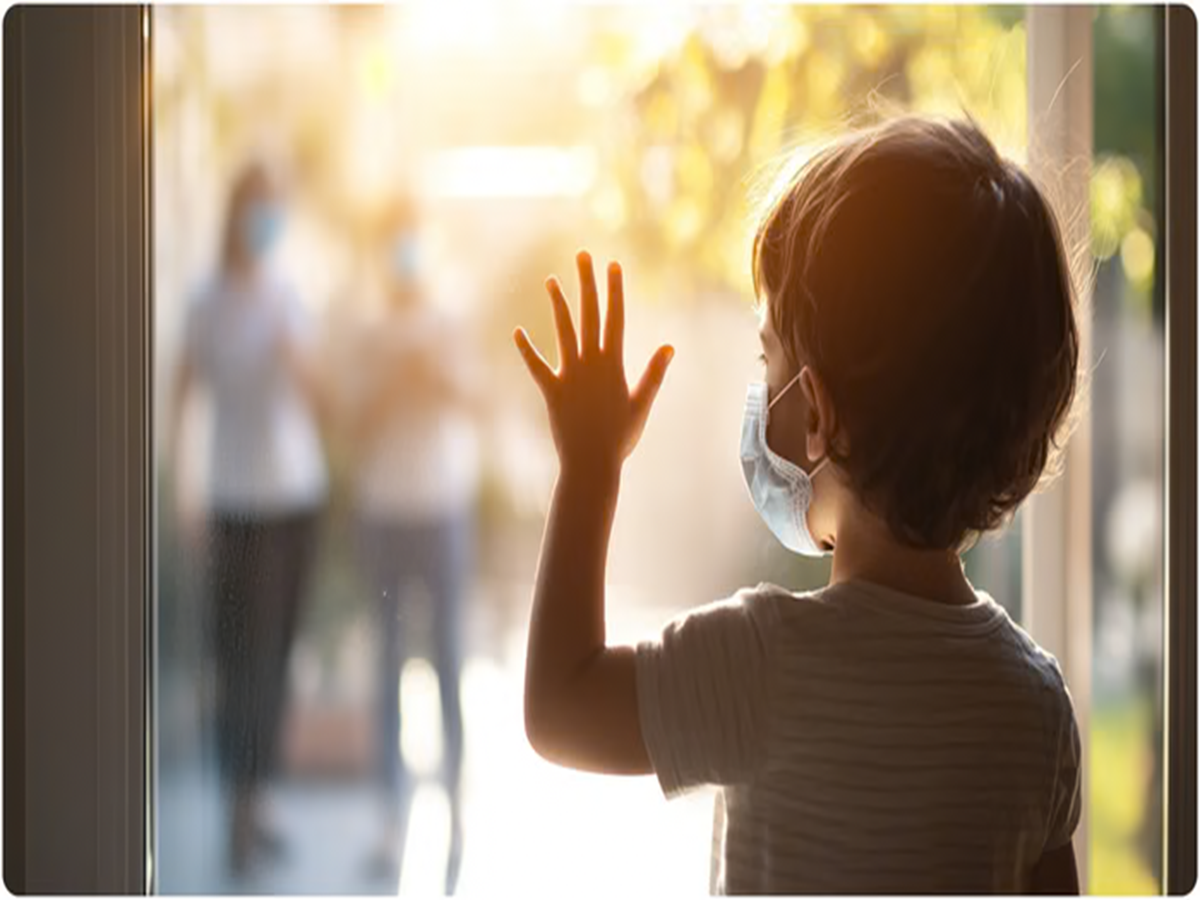
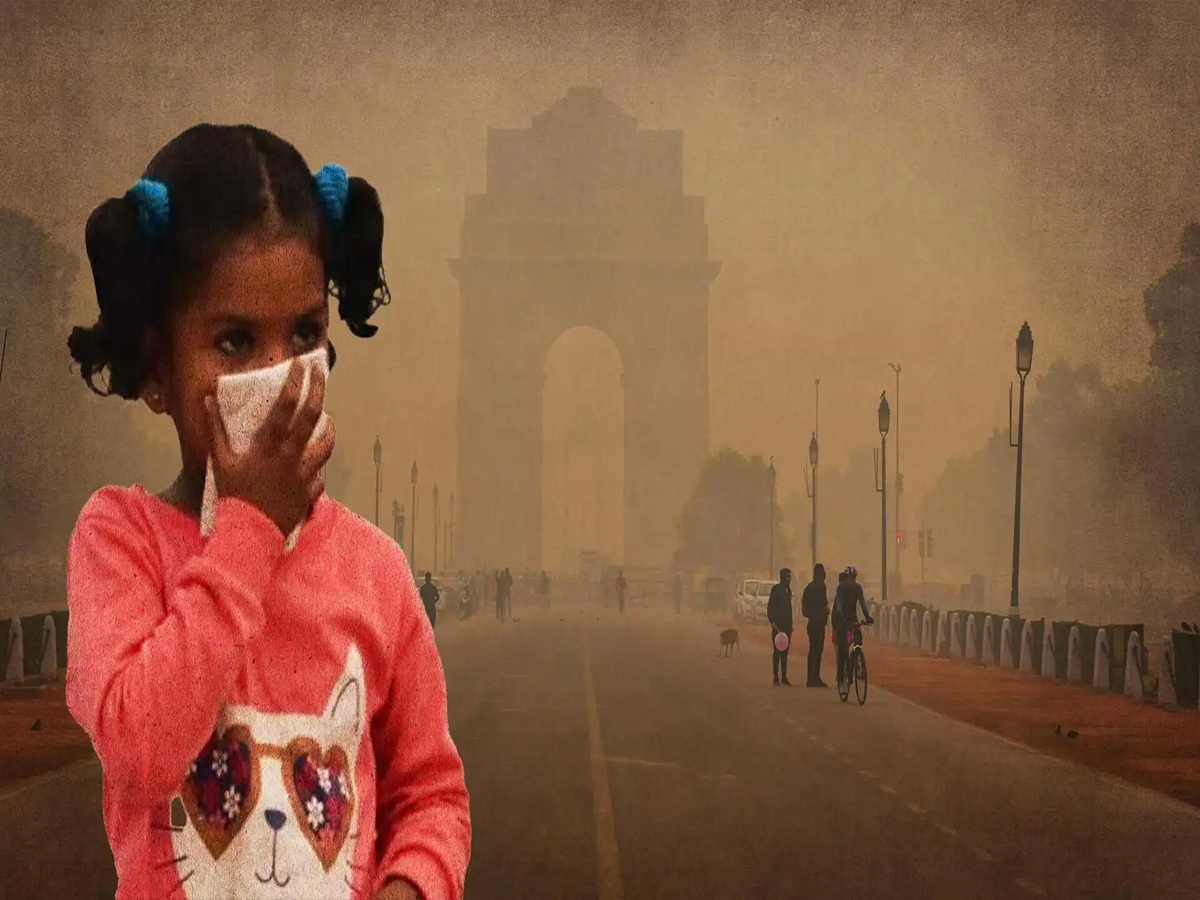
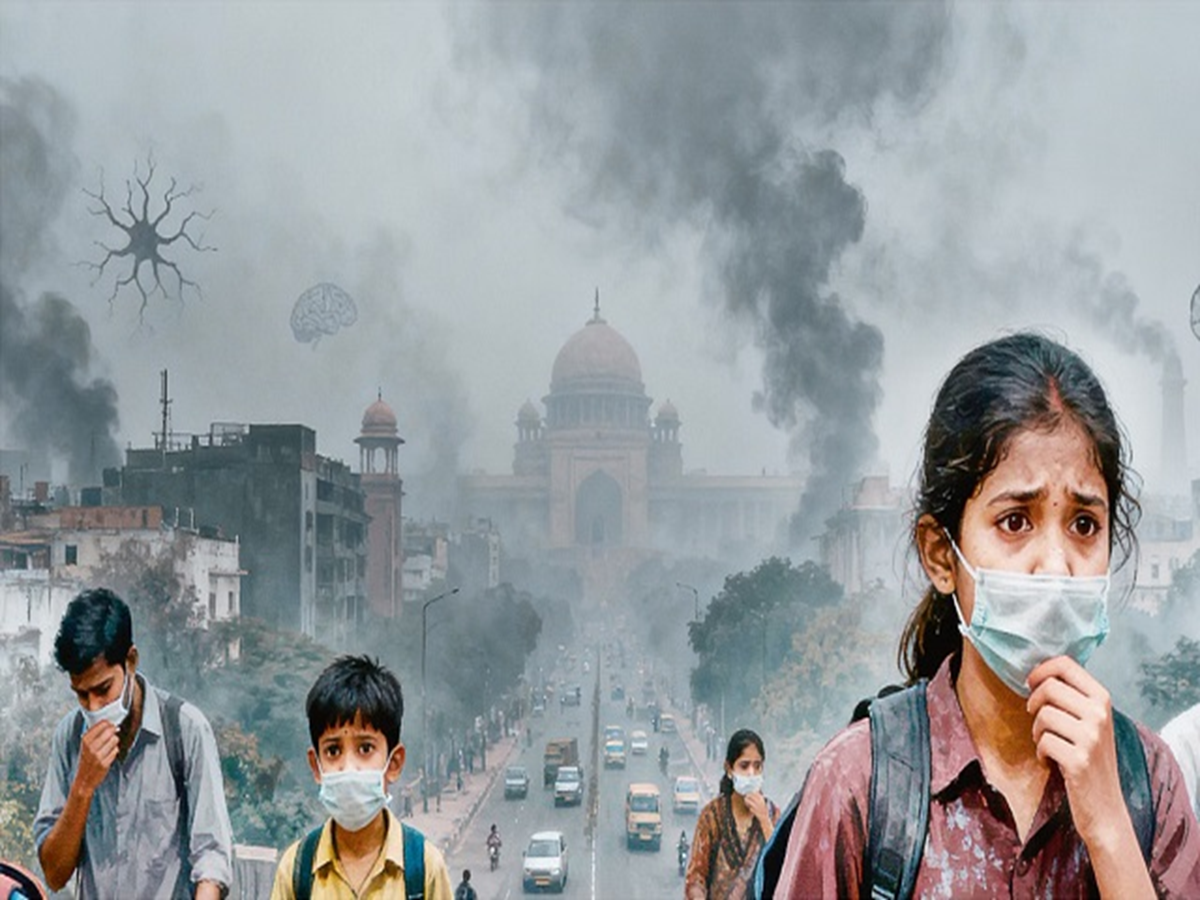
We all enjoyed Diwali to the fullest. Homes were illuminated, sweets were shared, and children had a wonderful time celebrating; however, now that the festivities have ended, health-related challenges have emerged. Due to firecrackers and stubble burning, the Delhi-NCR region is witnessing a severe air pollution crisis. This toxic air has heightened concerns among parents—especially those with newborns or young children, for whom the anxiety is even greater.
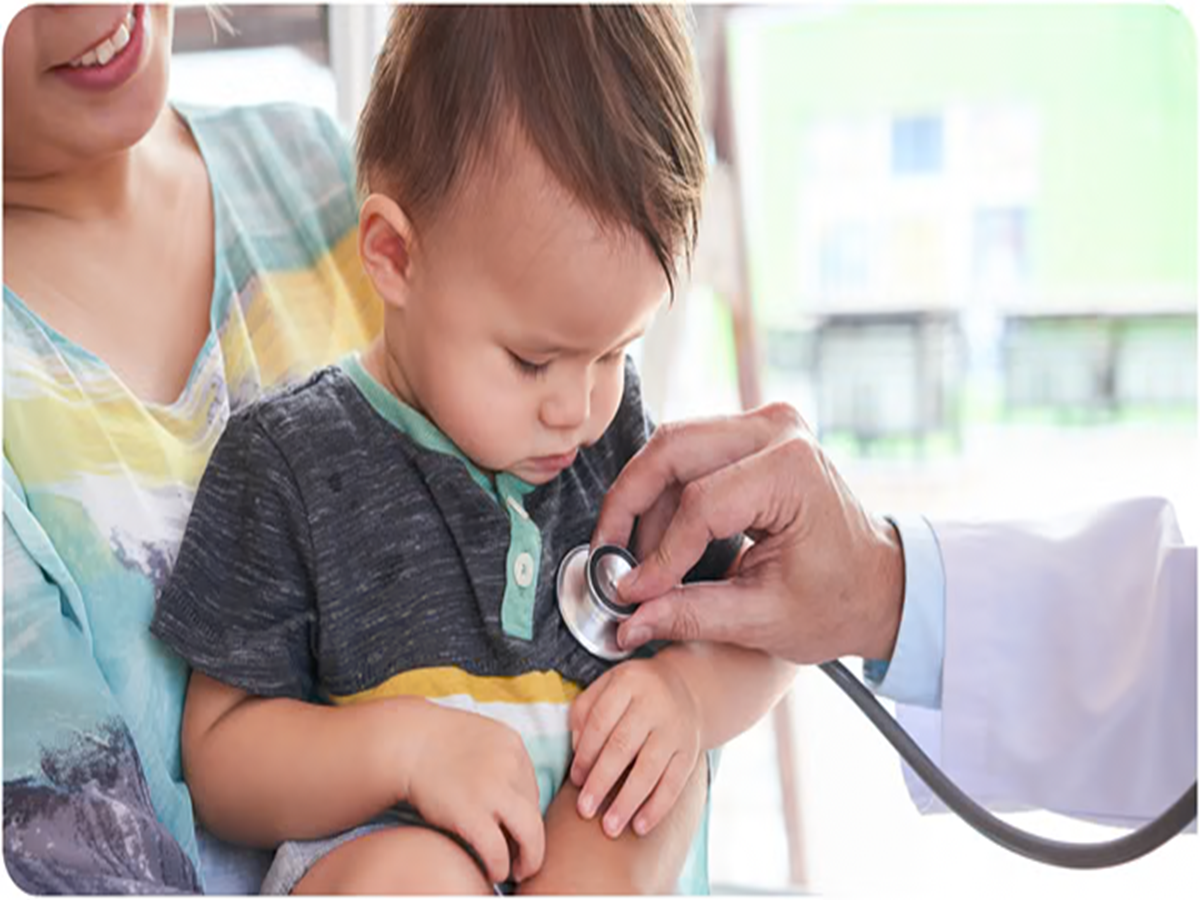
Health experts point out that elevated pollution levels can damage the delicate lungs of children. The situation is such that many families have stopped taking their children outdoors and are installing air purifiers in their homes.
The question now arises: how can young children be kept safe during this period of high pollution? Is staying indoors and using an air purifier sufficient? Let’s consult a doctor to understand this better.
The Pollution Crisis in Delhi-NCR
The surge in air pollution across Delhi-NCR, following the large-scale bursting of firecrackers during Diwali, remains a major cause for concern. Parents fear that this toxic air could negatively impact their children’s lung development and overall health. Since children’s lungs are still in the process of developing, they are particularly vulnerable to the effects of pollution.
Some families chose to celebrate Diwali entirely indoors this year, avoiding outdoor events and crowded spaces, while keeping air purifiers running constantly at home. Although the administration is taking ongoing measures to address the deteriorating air quality, the concern persists.
In conversations with the news agency ANI, several mothers shared how the pollution has altered the way they celebrate Diwali, the precautions they have taken to keep their children safe, and their deep-seated concerns regarding the health of the next generation. Keeping Children Safe: Choosing to Forgo Firecrackers
For Sakshi Gupta, a mother of two daughters, this year’s Diwali was not about bursting firecrackers, but rather about spending quality time with her family. Her daughters are six years old and 10 months old, respectively.
Sakshi mentions that her family does not burst firecrackers. She has also explained to her elder daughter that the smoke released by firecrackers is not only harmful to human health but also causes distress to animals. This year, too, the family celebrated Diwali at home. However, the deteriorating air quality following the festival has become a source of concern for her.
What is the doctor’s advice?
Dr. Rajat Grover, a pediatrician at a hospital in Delhi, explains that the effects of pollution can persist for several days after Diwali. During this period, it is essential to take extra precautions for children. Even when indoors, children are not entirely safe; therefore, it is crucial to keep them inside as much as possible and ensure that an air purifier is running.
If necessary, and upon a doctor’s recommendation, saline nasal drops can be used for children. These help clear away accumulated dirt and mucus from the nasal passages, making it easier for the child to breathe.
Amidst high pollution levels, parents should closely monitor their children’s breathing. Since children may not always be able to articulate their discomfort, it is important to observe any changes in their behavior or breathing patterns. There are certain warning signs that parents should address immediately:
If a child is breathing faster than usual, it could be an indication of respiratory distress.
Wheezing or a whistling sound while breathing is also a cause for concern.
If a child is struggling to feed—or repeatedly stops feeding—this should not be taken lightly. If your child is crying more than usual, has a fever, or has a persistent runny nose, consult a doctor.
If the child experiences frequent coughing followed by vomiting, it is also necessary to seek medical advice.
PC Social Media