
LIFESTYLE
What is the correct rule for ringing the bell during worship? Find out when and how many times it is auspicious to ring it..
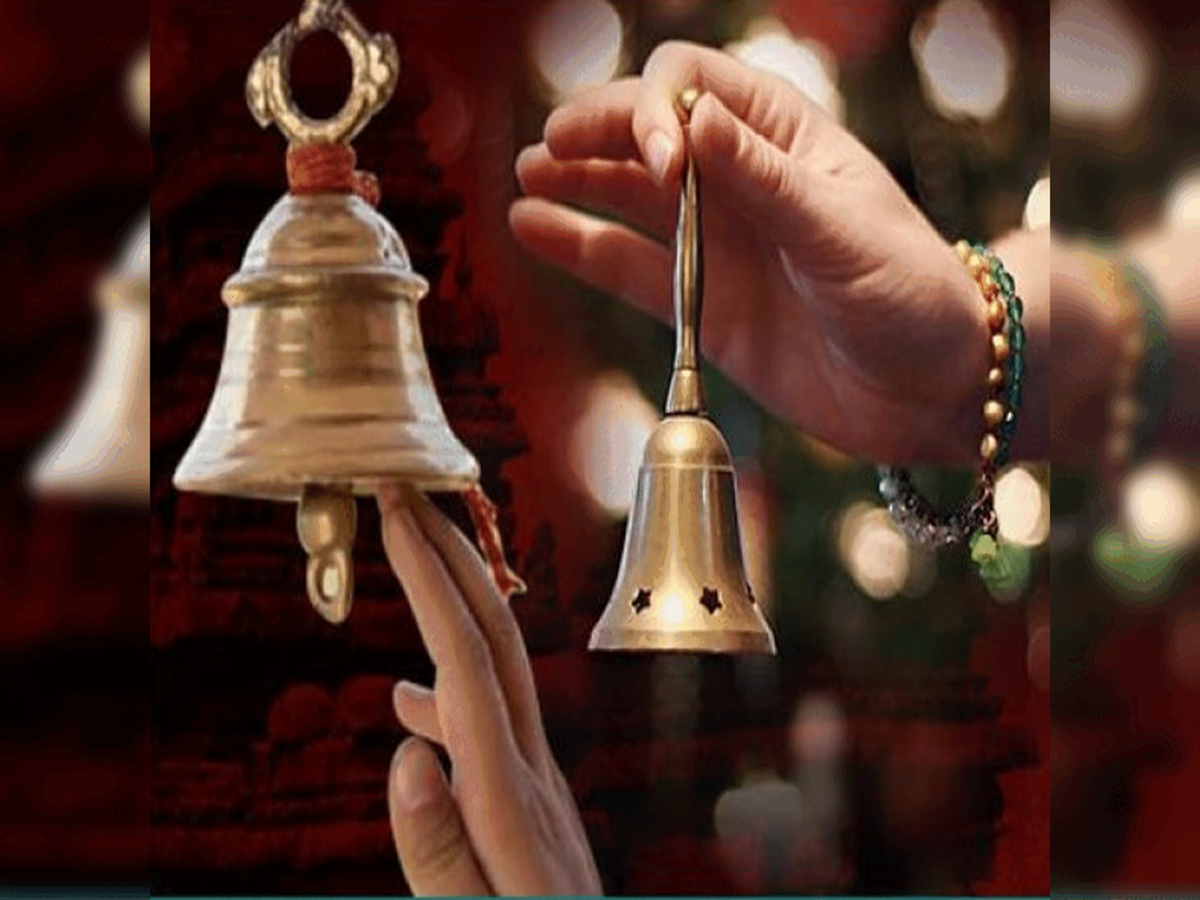
If you perform daily worship in your home temple and ring a bell, it is crucial to know the correct way to do so. Many people ring the bell continuously for a long time during worship, while others treat it as a mere formality and shake it only once or twice. According to religious beliefs, there are specific—and scientifically grounded—rules for ringing the bell. Ringing it correctly not only yields the spiritual benefits of worship but also conveys the message of your presence to the Divine.

**The Bell Embodies Lord Garuda and Is Linked to the Vedas**
Mahant Kameshwaranand Vedantacharya explains that upon entering a temple, one should ring the bell hanging from the ceiling just once, or perhaps three times. A profound religious significance lies behind this practice. The upper part of the bell is considered a manifestation of Lord Garuda, and the four Vedas are said to reside within Garuda’s wings. When a devotee rings the bell, the spiritual implication is that they are welcoming and honoring the Divine through the mantras of the Vedas. By ringing the bell, the devotee declares, "Oh Lord, I have come seeking Your refuge."
**Why Is It Essential to Ring the Bell Five Times While Offering *Bhog*?**
The small hand-held bell used in homes is known as the 'Garuda Ghanti.' Regarding the rules for its use, the Mahant explains that whenever you offer *bhog* (sacred food offerings like *laddu*, *peda*, or fruits) to the deity, you should ring the bell five times—coinciding with the five *achaman* (ritual sipping of water) actions—because the primary purpose is to request the Lord to accept the offering. He further advises keeping this small bell on your left side within the temple while using your right hand to offer *bhog* and perform *aarti*.

**Do Not Ring the Bell When Leaving the Temple**
Most importantly, one should never ring the bell while exiting the temple. People often ring it both upon arrival and departure, which is incorrect. The bell is rung only when entering the temple, as it signifies welcoming the deity rather than bidding them farewell. According to the scriptures, observing these simple rules during morning and evening prayers fosters positive energy in the home and ensures that your devotion reaches the deity in the proper manner.
PC Social Media