LIFESTYLE
Nag Panchami 2026 Today: A rare coincidence of Nag Panchami and the Sawan Monday fast today—know the significance..
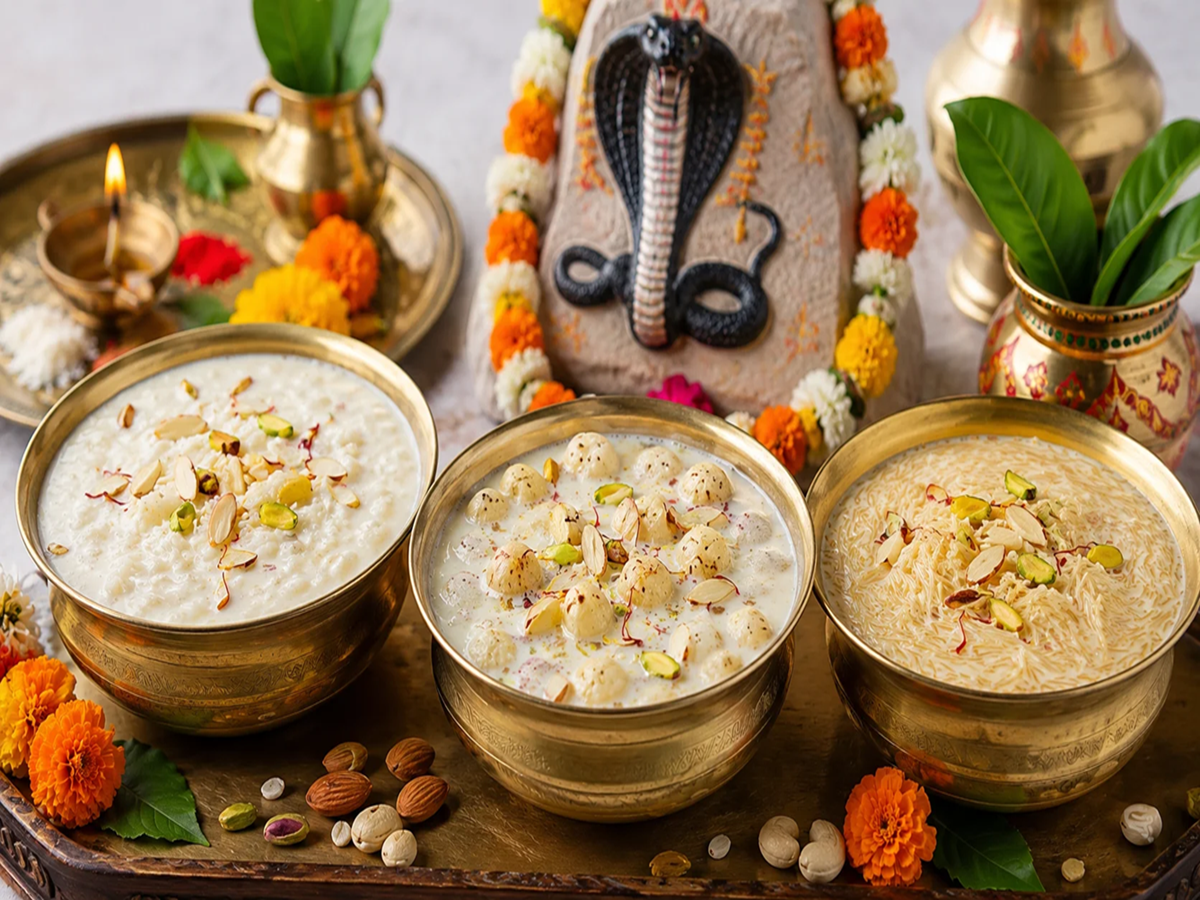
Nag Panchami 2026 Today: The festival of Nag Panchami is being celebrated today, Monday, August 17. A significant highlight this year is that Nag Panchami and the third Monday of the holy month of Sawan fall on the same day—a rare coincidence occurring after 23 years. While Mondays in Sawan are dedicated to Lord Shiva, Nag Panchami is dedicated to the worship of the Serpent Deity (Nag Devta). Consequently, this convergence of Shiva worship and the veneration of the Serpent Deity is considered spiritually profound. According to Vedic astrology, worshipping the Serpent Deity on Nag Panchami brings happiness and peace to one's life and mitigates the adverse effects of various astrological afflictions, including *Kalsarp Dosh* and *Pitra Dosh*. Let us explore the significance, rituals, mantras, auspicious timings (*Muhurat*), and remedies for *Kalsarp Dosh* associated with Nag Panchami...
Nag Panchami 2026 Today
Start of *Panchami Tithi* (Lunar Day): August 16 at 4:54 PM
End of *Panchami Tithi*: August 17 at 5:02 PM
Based on the *Udaya Tithi* (the lunar day prevailing at sunrise), the festival of Nag Panchami is being celebrated today, Monday, August 17.
Significance of Nag Panchami
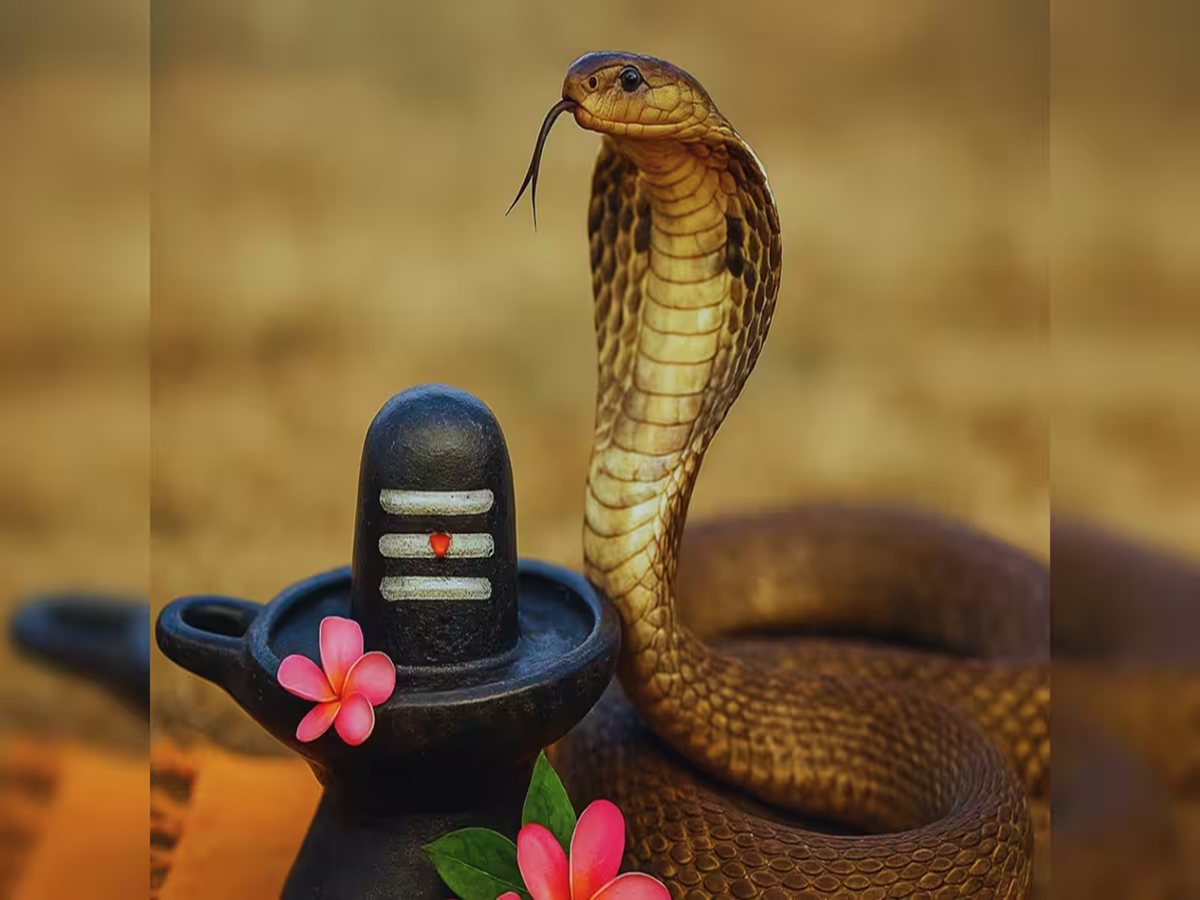
In Hinduism, the festival of Nag Panchami holds special significance for worshipping Lord Shiva and the Serpent Deities. Religious beliefs hold that worshipping the Serpent Deity ensures the deity's grace upon the family and provides relief from fear, obstacles, and negativity. It also helps alleviate the malefic effects of afflictions such as *Kalsarp Dosh* and *Pitra Dosh*. Since the Serpent Deity resides around Lord Shiva's neck, worshipping Lord Shiva on the day of Nag Panchami during the month of Sawan is considered particularly auspicious. On this day, devotees perform *Jalabhishek* (ritual bathing with water) for Lord Shiva and offer milk, flowers, sandalwood paste, unbroken rice grains (*Akshat*), incense, and lamps to the idol or image of the Serpent Deity. Nag Panchami also conveys a message of respect for nature and living creatures. It is considered appropriate to perform a symbolic worship of the Serpent Deity on this day rather than harming or disturbing live snakes. **Auspicious Alignments on Nag Panchami 2026**
Today, the fast for the third Monday of the holy month of Sawan coincides with Nag Panchami. This convergence of Nag Panchami and the Sawan Monday fast is considered a highly auspicious coincidence; it is occurring after 23 years, thereby significantly enhancing the day's importance. Additionally, auspicious alignments such as *Shukla Yoga* and *Ravi Yoga* are forming on this day. Worshipping Lord Shiva and the Serpent Deity (*Nag Devta*) during these auspicious times helps alleviate afflictions like *Kalsarp Dosh* and *Pitra Dosh* (ancestral afflictions), bringing happiness and peace to one's life. Along with these alignments, the fact that Jupiter is positioned in its sign of exaltation (*Uchcha Rashi*) creates the *Hamsaraj Yoga*.
**Nag Panchami Worship Timings (Muhurat) 2026**
The most auspicious time (*Muhurat*) for worship on Nag Panchami is from 5:50 AM to 8:28 AM. You will have a window of 2 hours and 37 minutes to worship the Serpent Deity. During this period, you can perform rituals to worship both the Serpent Deity and Lord Shiva, and undertake prayers and remedies for *Kalsarp Dosh*, *Pitra Dosh*, and other serpent-related afflictions.
Worship performed during the *Abhijit Muhurat* is also considered auspicious.
Brahma Muhurat: 04:25 AM to 05:09 AM
Abhijit Muhurat: 12:00 PM to 12:52 PM
Vijay Muhurat: 02:37 PM to 03:29 PM
Godhuli Muhurat: 06:59 PM to 07:21 PM
Ravi Yoga: 05:52 AM to 08:04 AM
**Nag Panchami Worship Rituals 2026**
Today, after bathing and wearing clean clothes, meditate upon Lord Shiva and the Serpent Deity. Begin by performing *Jalabhishek* (ritual bathing with water) of Lord Shiva. Offer water, *Belpatra* (wood apple leaves), flowers, and *Akshat* (unbroken rice grains) to the *Shivling*. Subsequently, install an idol or image of the Serpent Deity and offer sandalwood paste (*Gandh*), *Akshat*, flowers, incense (*Dhoop*), and a lamp (*Deep*). According to religious tradition, serpent deities such as Ananta, Vasuki, Shesha, Padmanabha, Kambala, Shankhapala, Dhritarashtra, Takshaka, and Kaliya are venerated. On Nag Panchami, one should not worship by capturing a live snake or pouring milk into its mouth; instead, it is safe and appropriate to worship the serpent deity symbolically before an image or idol.
**Nag Panchami Mantra**
One may chant the following mantra during the worship:
*Anantam Vasukim Shesham Padmanabham cha Kambalam |*
*Shankhapalam Dhritarashtram Takshakam Kaliyam tatha ||*
This mantra invokes the principal serpent deities. Additionally, Lord Shiva's *Panchakshari Mantra*—"Om Namah Shivaya"—may also be chanted with devotion.
**Remedies for Kaal Sarp Dosh on Nag Panchami**
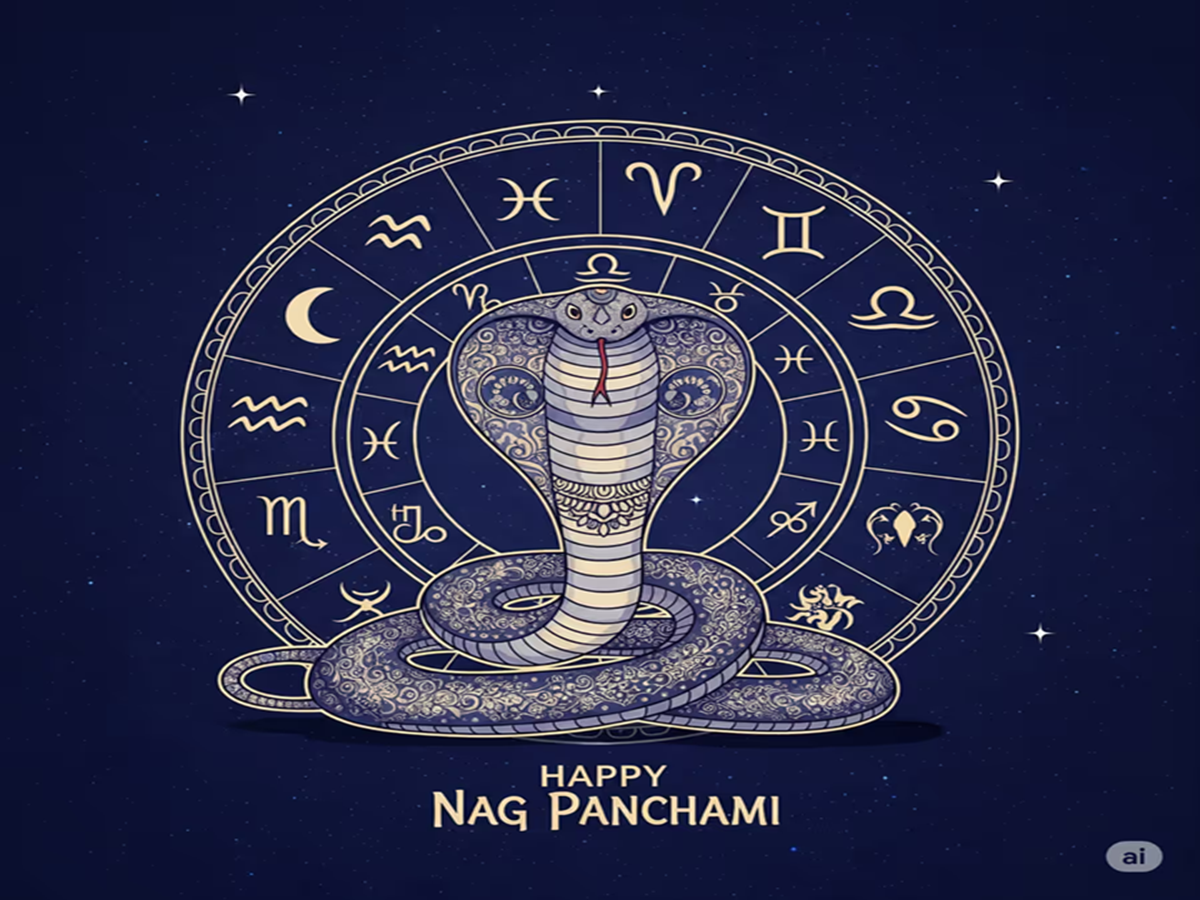
According to astrological beliefs, Nag Panchami is considered an auspicious day for performing rituals to alleviate *Kaal Sarp Dosh*. Performing *Jalabhishek* (ritual bathing with water) on the *Shivling*, chanting the *Mahamrityunjaya Mantra*, worshipping the serpent deity, and making donations to the needy are considered auspicious acts on this day. Some traditions also prescribe the worship of serpent idols made of silver or clay.