LIFESTYLE
What are the rules for the Satyanarayan Vrat? Know the essential points before performing the puja..
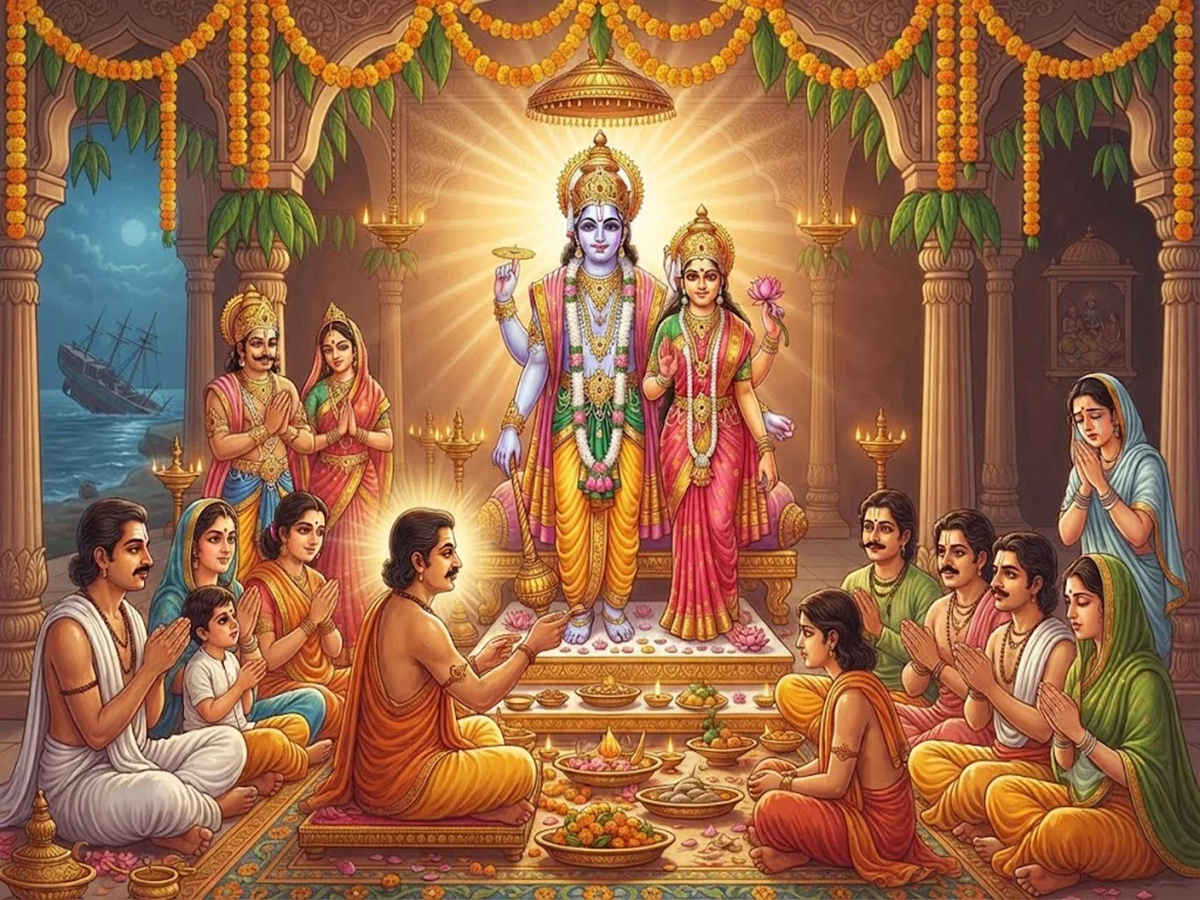
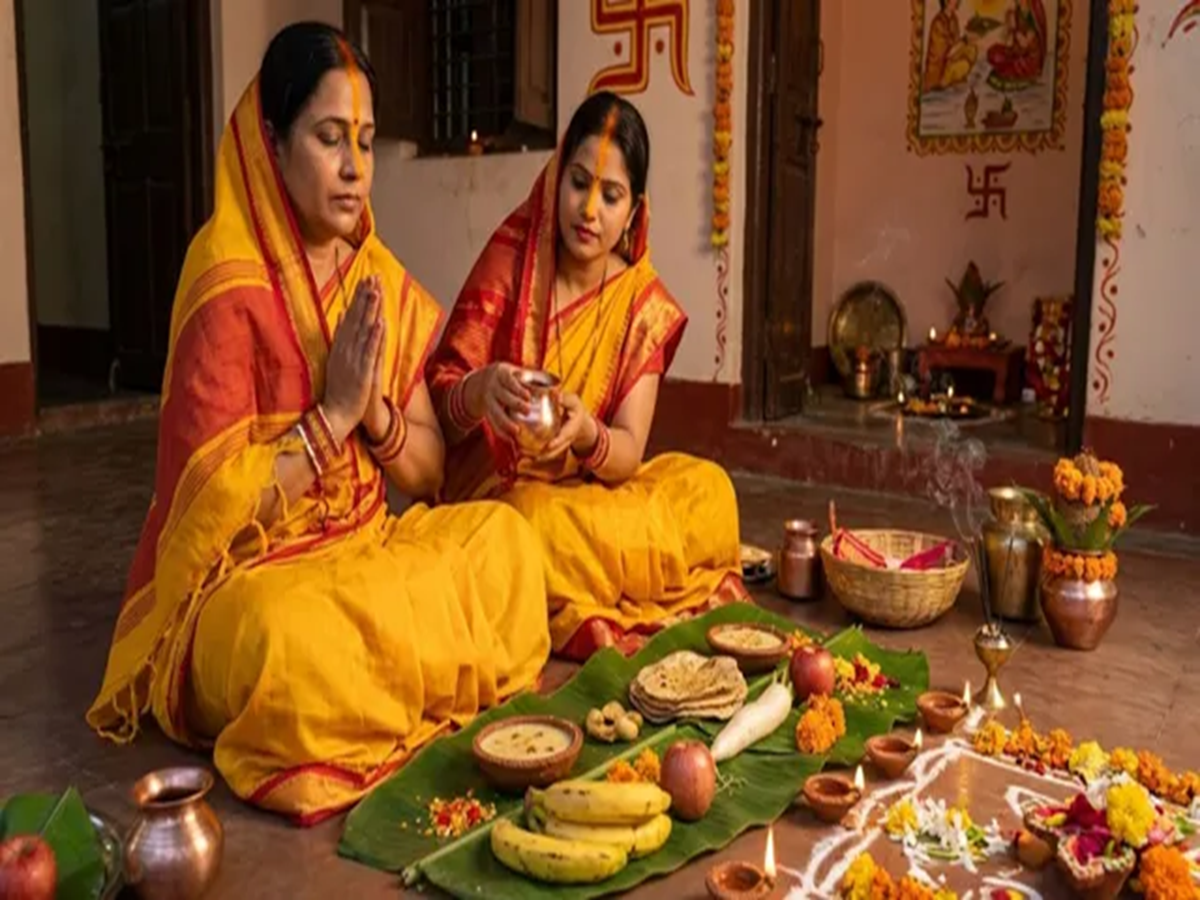
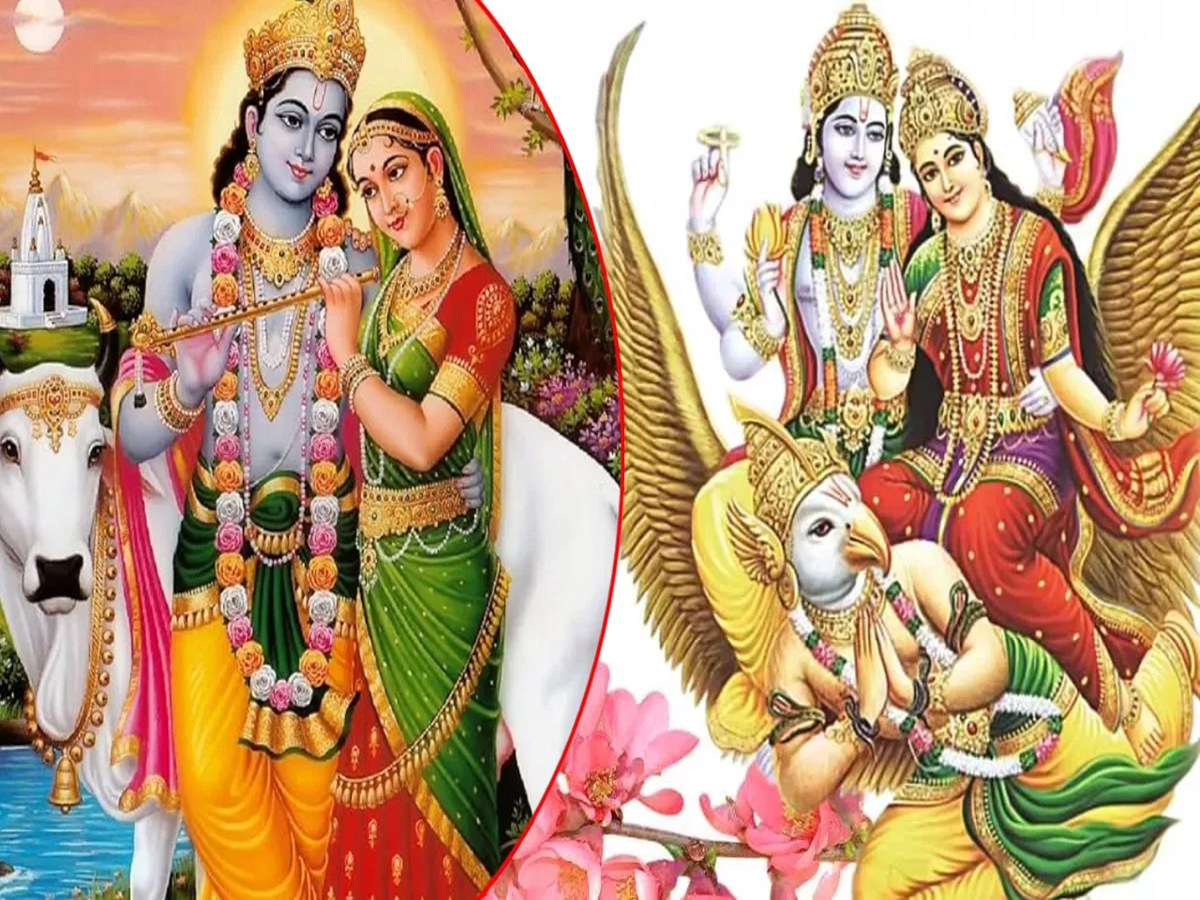
The Satyanarayan Vrat (fast/observance) is performed to worship the true form of Lord Vishnu. This observance holds special significance in Hinduism. It is believed that worshipping Lord Satyanarayan with a sincere heart and complete devotion brings happiness and prosperity to the home and helps resolve life's challenges.
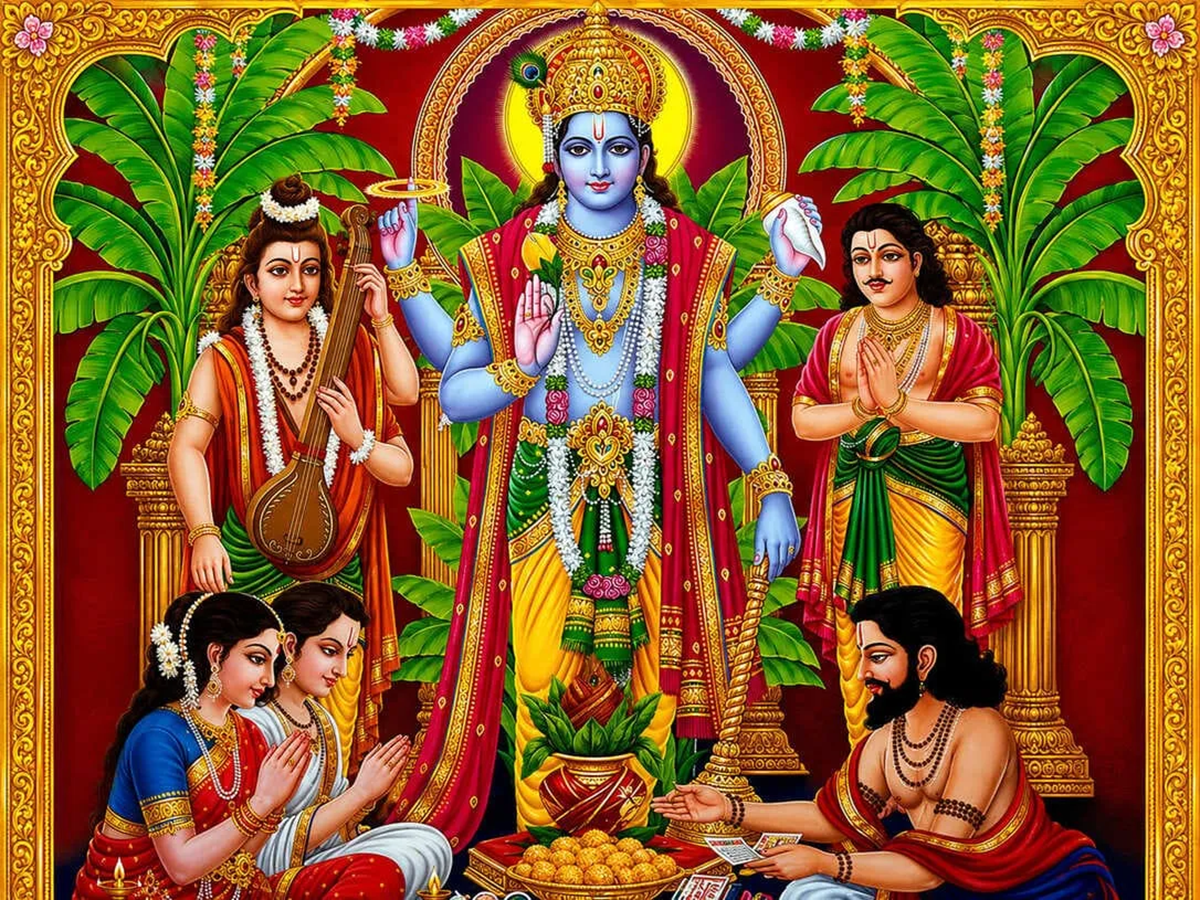
Typically, this worship is performed on the day of the full moon (Purnima). However, the Satyanarayan Katha (recitation of the Lord's story) is also conducted on auspicious occasions such as a housewarming (Griha Pravesh), a wedding, or the birth of a child. Let us look at 10 essential rules for the Satyanarayan Vrat and its associated worship.
On which day should the Satyanarayan Vrat be observed?
The day of the full moon (Purnima) is considered especially auspicious for the worship of Lord Satyanarayan. Additionally, this worship can also be performed on Ekadashi, Sankranti, and other auspicious occasions. You may choose the day for the worship according to your own devotion and convenience.
Observing the fast
Devotees observing the Satyanarayan Vrat take a solemn vow (sankalpa) after bathing in the morning. During the fast, one may consume fruits (phalahar) or remain without food (nirahar), depending on one's capacity and health. The fast can be concluded (parana) after the worship, the recitation of the Katha, and the Aarti, by partaking in the 'Prasad' (sanctified food).
Cleaning the place of worship
Before the worship, ensure that the home and the designated place of worship are thoroughly cleaned. Sanctify the area by sprinkling 'Gangajal' (water from the Ganges). You may decorate the home by placing a 'toran' (garland) of mango leaves at the main entrance and creating a 'rangoli'.
Installing the idol of Lord Vishnu
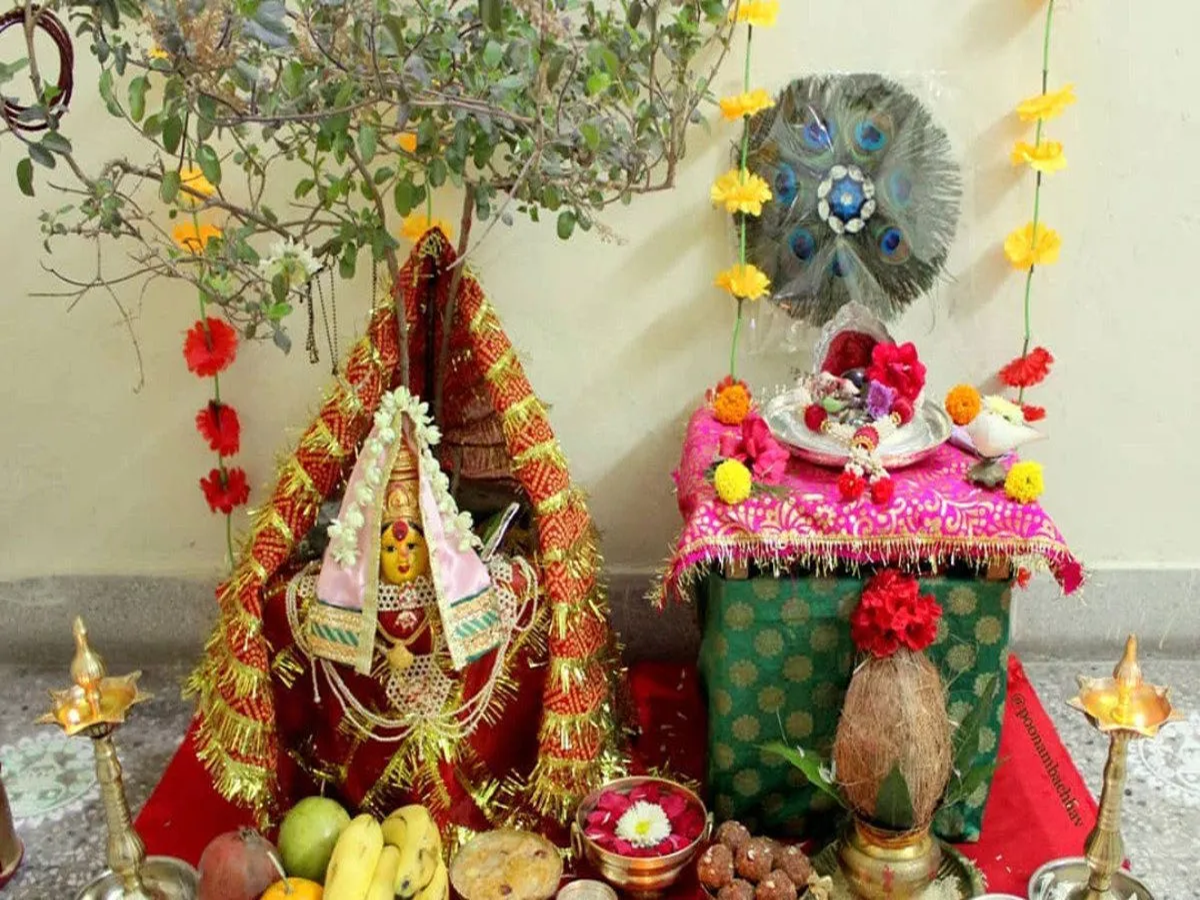
Spread a yellow or red cloth over a clean, raised platform (chowki). Place the idol or image of Lord Satyanarayan—who is Lord Vishnu—upon it. Offering yellow flowers and yellow garments to the Lord is considered auspicious.
Setting up the 'Kalash' (sacred pot)
Place a copper or brass pot (kalash) filled with water near the platform used for worship. You may add a betel nut (supari), unbroken rice grains (akshat), and a coin into the pot. Place mango leaves over the opening of the pot and set a coconut on top. This is considered a symbol of auspiciousness and well-being in the worship.
Begin with the worship of Lord Ganesha.
Before any auspicious ritual, one should invoke Lord Ganesha. Following this, invoke the Navagrahas (the nine celestial bodies) and take a *sankalpa* (a solemn vow or intention) to perform the *puja*. While taking this vow, hold water, *akshata* (unbroken rice grains), and flowers in your hands, and pray to the Lord for the successful completion of your *vrata* (fast/observance).
Offer *Panchamrita* and *Panjiri*
*Panchamrita* holds special significance in the Satyanarayan *puja*. It is prepared by combining milk, yogurt, *ghee*, honey, and sugar. You may also add pieces of banana and *tulsi* (holy basil) leaves to it. Additionally, *panjiri*—made from wheat flour or semolina—is offered as *bhog* (a ritual food offering). In many traditions, it is customary to prepare the *prasada* in a quantity measured in units of 'sava' (one and a quarter).
Listen to the Satyanarayan *Katha* with deep devotion
Listening to the *Katha* (narrative) is considered a vital part of the Satyanarayan *puja*. This narrative consists of five chapters. All family members should sit together to listen to it. One should avoid getting up or engaging in conversation while the *Katha* is being recited.
Perform *Aarti* after the *Katha*
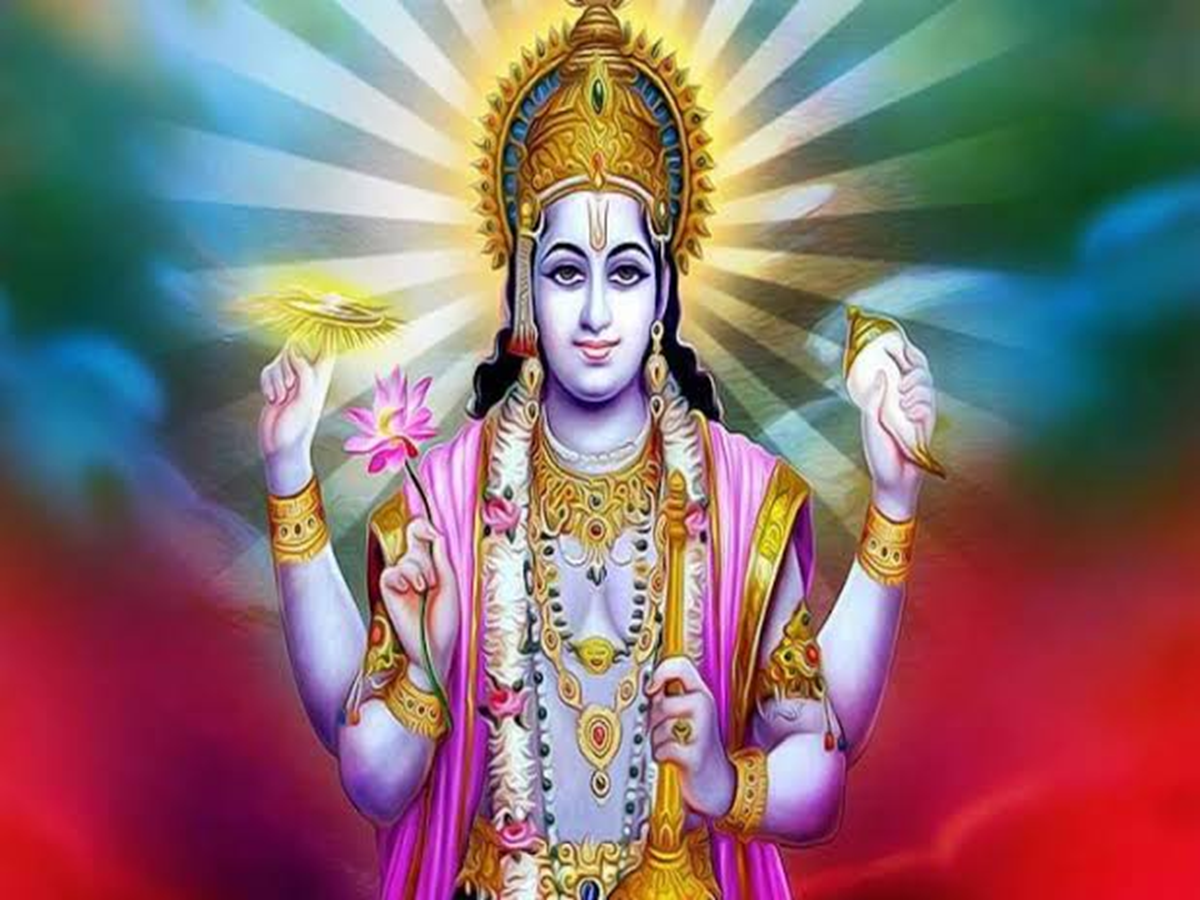
Once the *Katha* concludes, perform the *Aarti* of Lord Satyanarayan. You may use a *ghee* lamp and camphor for this purpose. Depending on your capacity, you may also perform a *havan* (a sacred fire ritual). Finally, distribute the *prasada* among everyone present.
PC Social Media