LIFESTYLE
Tulsi Vivah will take place on November 21; learn the auspicious timing and the complete ritual procedure..
In Hinduism, 'Tulsi Vivah' (the ceremonial marriage of the sacred Tulsi plant) holds special religious significance. Every year, on the *Dwadashi* (twelfth day) of the *Shukla Paksha* (bright fortnight) in the month of *Kartik*, the marriage of Goddess Tulsi and Lord Shaligram is performed with prescribed rituals. According to religious beliefs, performing Tulsi Vivah bestows merit (*punya*) equivalent to *Kanyadaan* (the act of giving away one's daughter in marriage). Furthermore, it is believed to bring happiness, peace, and prosperity to the household. It is also considered highly auspicious for those facing obstacles in getting married or experiencing difficulties in their marital life. Let us explore the correct date, auspicious timings (*shubh muhurat*), and the complete ritual procedure for Tulsi Vivah in the year 2026.
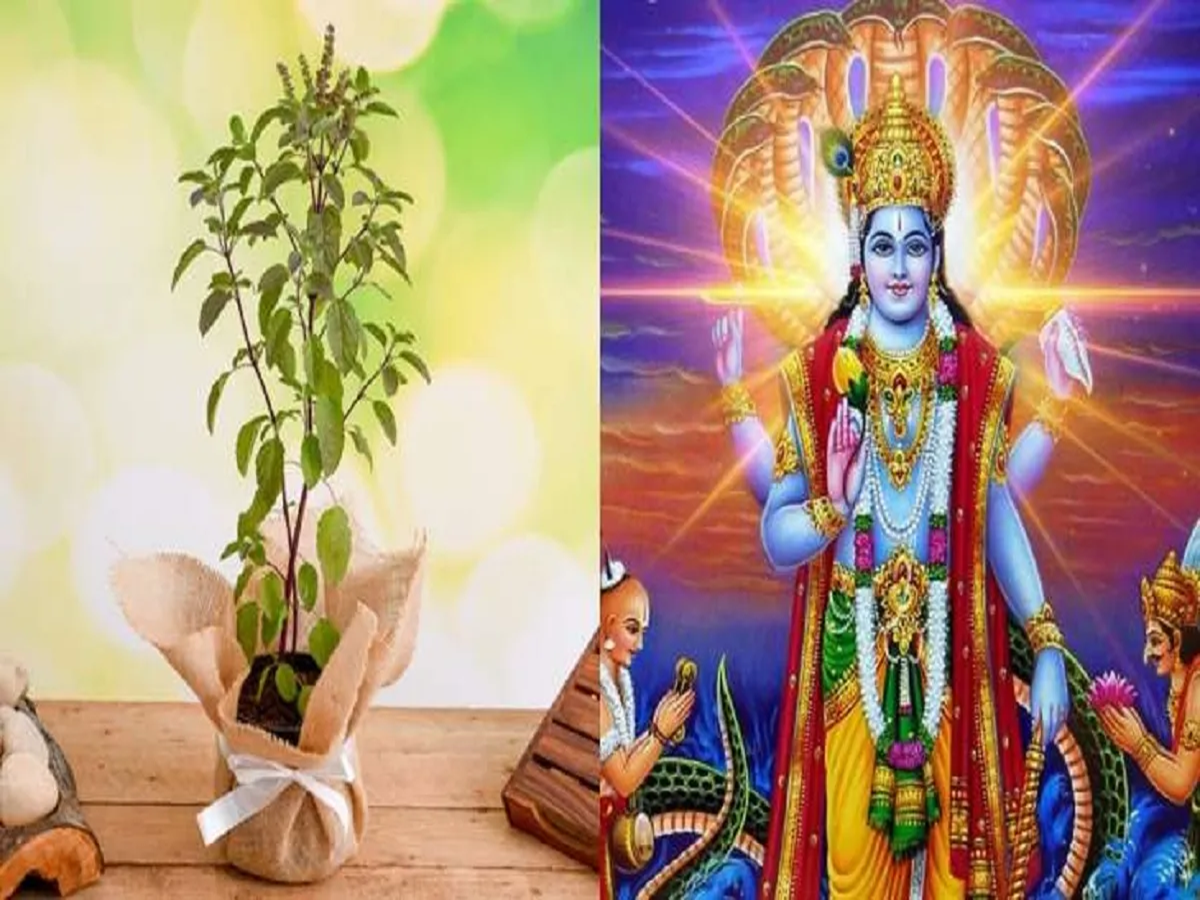
According to astrologer Pandit Kalki Ram from Ayodhya, and in alignment with the Hindu calendar, the main celebration of Tulsi Vivah will take place on Saturday, November 21, 2026—the *Dwadashi* of the *Kartik Shukla Paksha*. On this day, many devotees will perform the ceremonial marriage of Goddess Tulsi and Lord Shaligram in their own homes. In some regions, the Tulsi Vivah celebrations span five days, beginning on *Dev Uthani Ekadashi* and concluding on *Kartik Purnima*. Depending on local traditions, devotees may choose any auspicious day within this period to conduct the ceremony.
Auspicious Timings (*Shubh Muhurat*) for Tulsi Vivah 2026
According to Pandit Kalki Ram, the auspicious window for Tulsi Vivah on November 21 falls between 5:25 PM and 7:49 PM. Additionally, other auspicious timings (*muhurats*) during the day are as follows:
*Brahma Muhurat*: 4:40 AM to 5:30 AM.
*Abhijit Muhurat*: 11:42 AM to 12:28 PM.
*Godhuli Muhurat*: 5:25 PM to 6:13 PM.
How to Perform the Marriage of Mother Tulsi
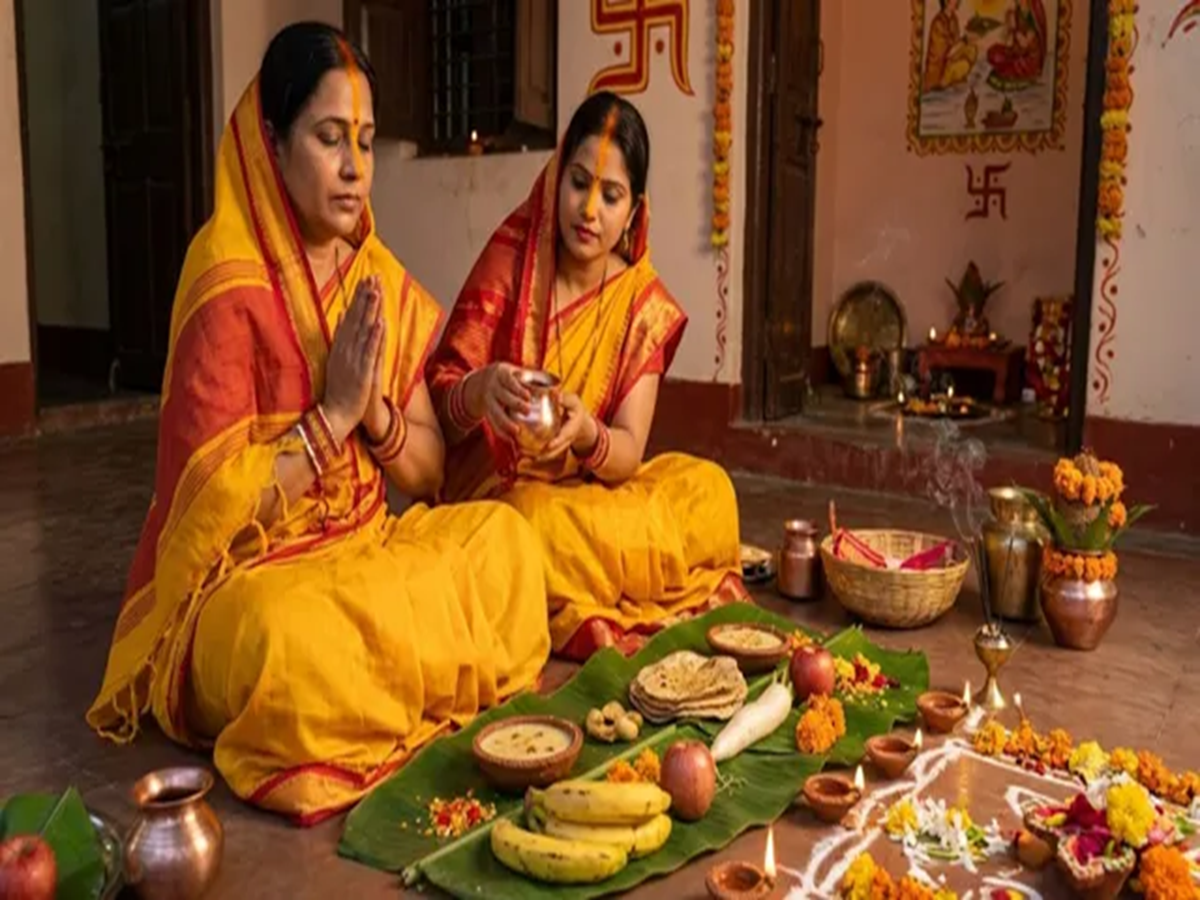
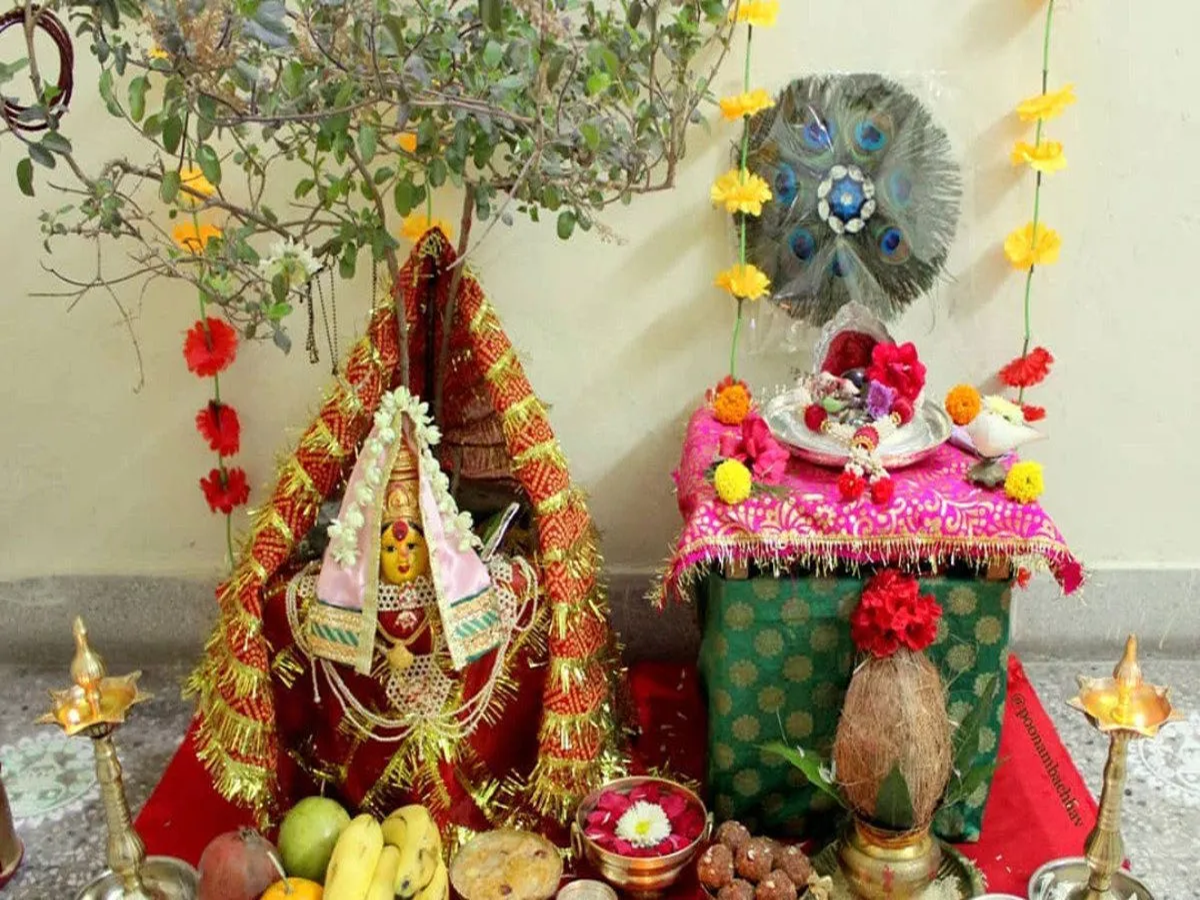
Begin by placing the Tulsi plant on a clean, raised platform (chowki) in your courtyard, on the terrace, or in your designated place of worship. Create an attractive canopy (mandap) around the Tulsi pot using sugarcane stalks and decorate it with turmeric. Next, place an idol or symbol of Lord Shaligram beside the Tulsi plant; if a Shaligram is unavailable, you may use an idol of Lord Vishnu instead. Offer items symbolizing marital bliss (suhag samagri) to Mother Tulsi and drape her in a red *chunri* (veil). Adorn both Mother Tulsi and Lord Shaligram with flower garlands. Apply a *tilak* of turmeric and sandalwood to Lord Shaligram. A male member of the family should hold the Shaligram and circumambulate (perform *parikrama*) around Mother Tulsi seven times. Conclude the ritual by performing *aarti* for both, using incense, a *diya* (lamp), and camphor. Finally, offer fruits and sweets as *bhog* (consecrated food) and distribute the *prasad*.
Religious Significance of Tulsi Vivah
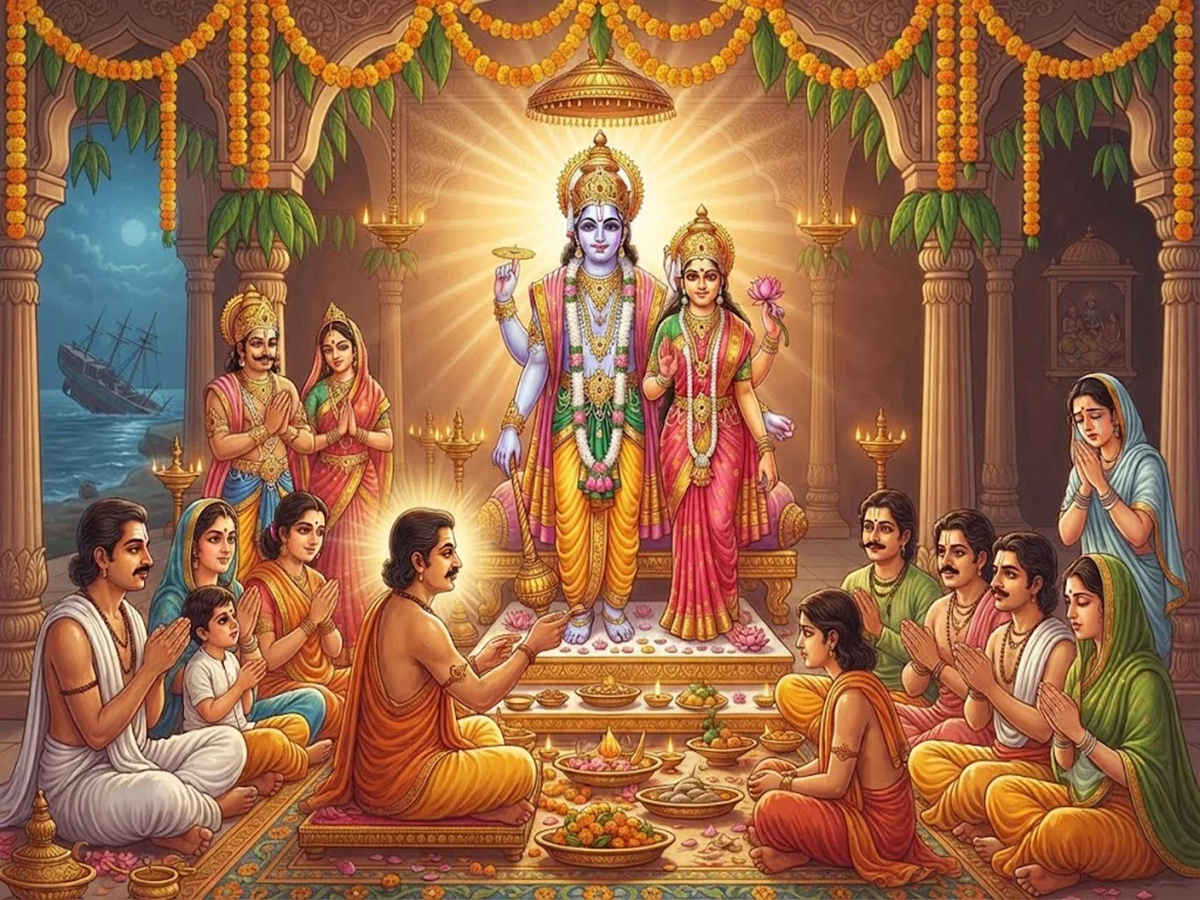
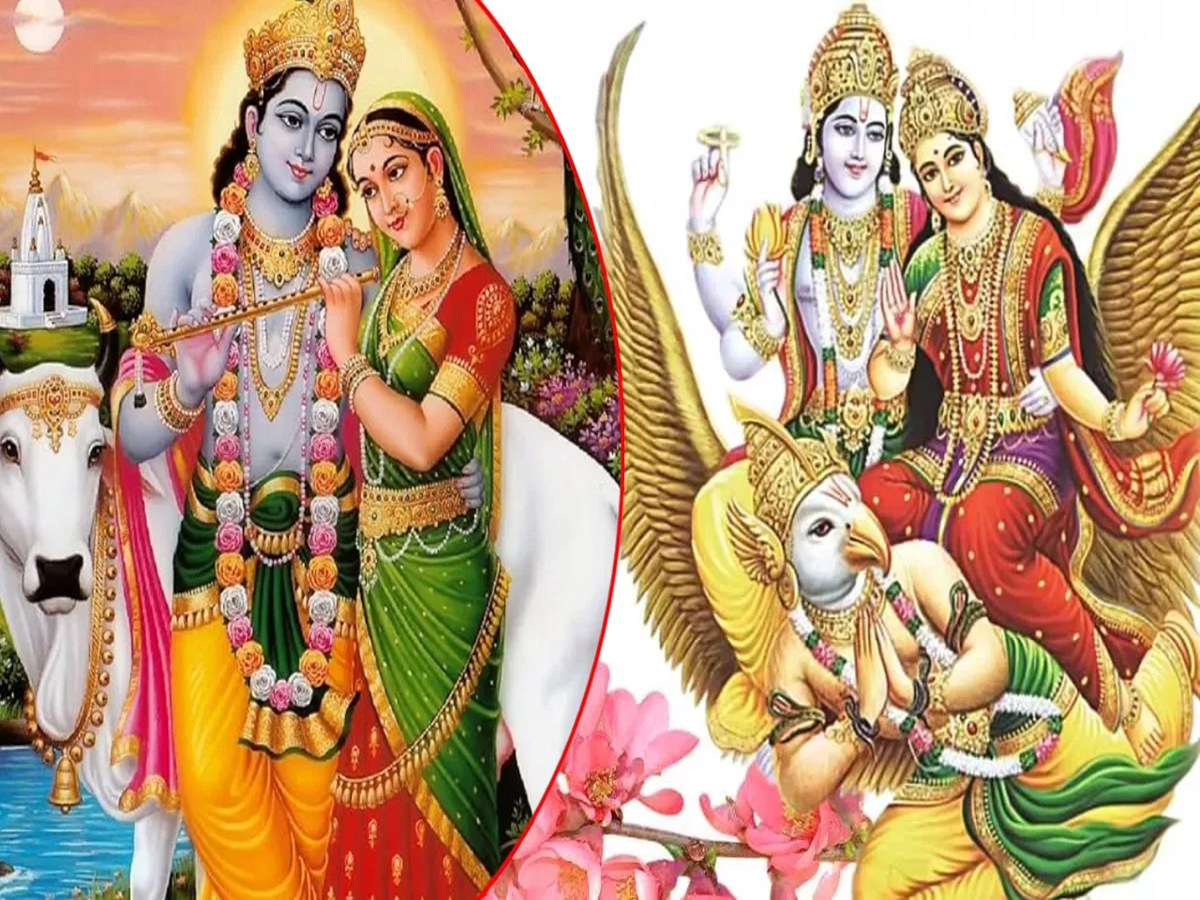
According to religious beliefs, performing the marriage of Mother Tulsi and Lord Shaligram invokes the blessings of Lord Vishnu and Goddess Lakshmi. This brings happiness, prosperity, and well-being to the family. It is believed that couples who perform the Tulsi Vivah experience greater love and harmony in their own marital lives. Furthermore, those facing delays or other obstacles in their own marriages often organize the Tulsi Vivah with deep devotion. In the *Sanatan* tradition, this festival is also considered a symbol of the commencement of auspicious events and ceremonies.
PC Social Media