Food & recipe
Rice Cooker vs. Pot: Is it better to cook rice in a rice cooker or a pot? Find out which method is best..
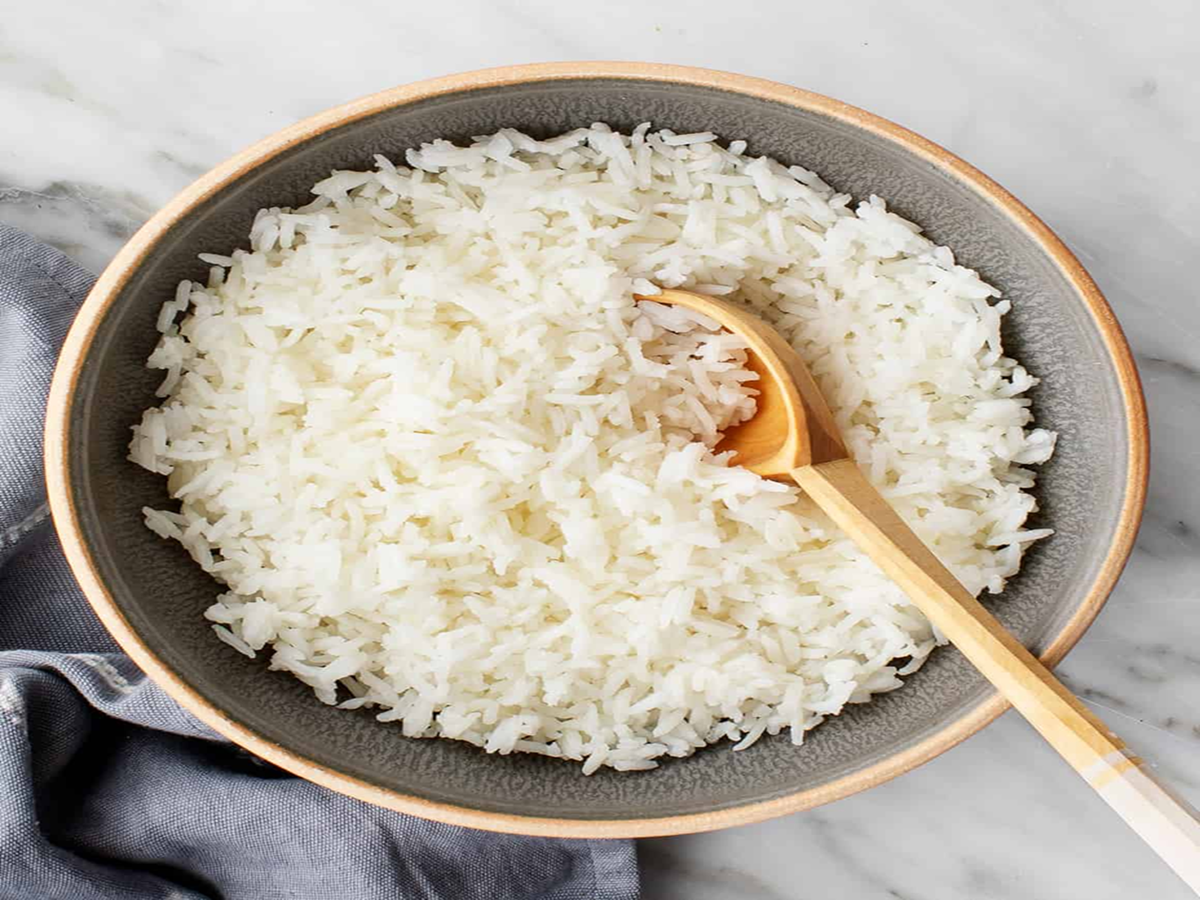
How to Cook Perfect Rice: Rice is a staple in Indian kitchens. From *Dal-Chawal* (lentils and rice), *Rajma-Chawal* (kidney beans and rice), and *Sambar-Rice* to *Biryani* and *Pulao*, rice accompanies almost every meal. While cooking methods may vary, a common question arises: should rice be cooked in a pressure cooker or a pot (*bhagona*)?
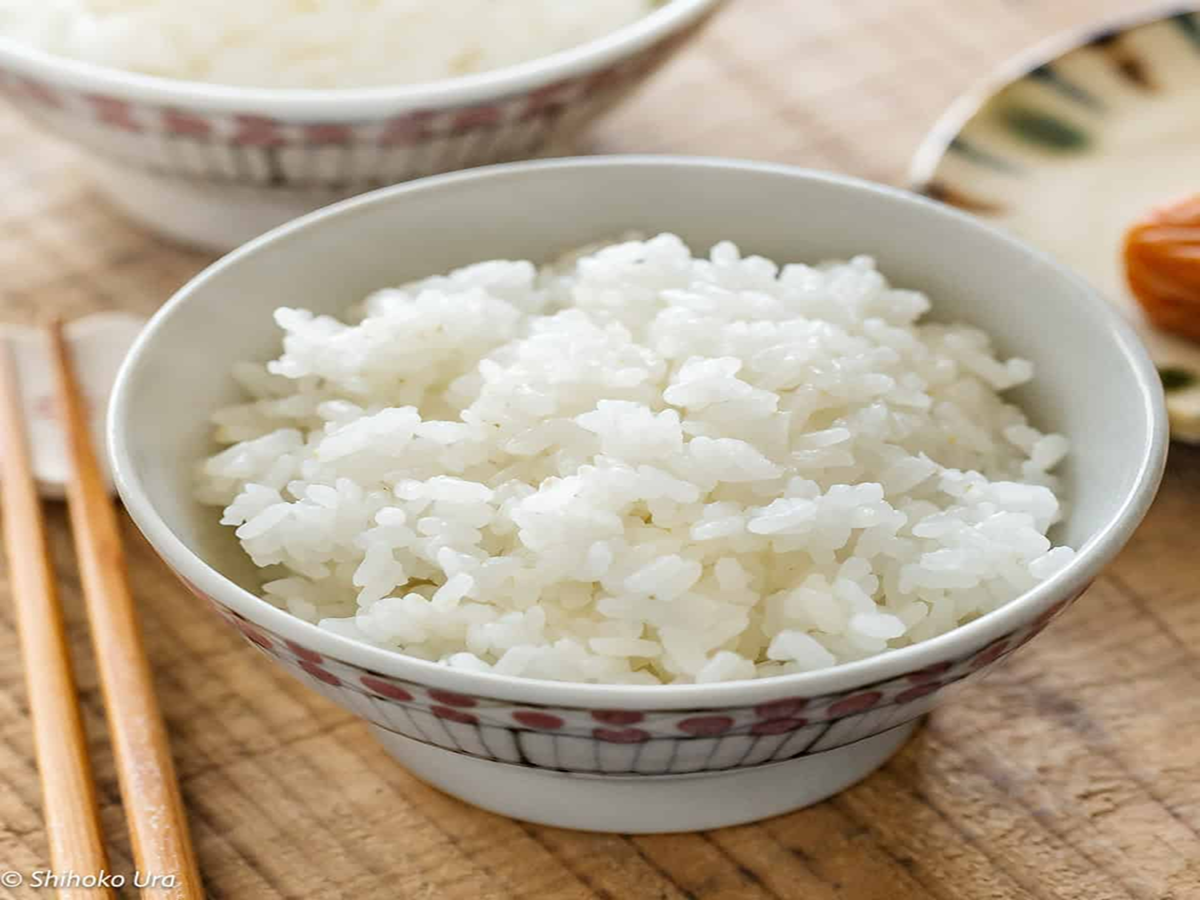
Some people cook rice in a pot, while many households prefer a pressure cooker. However, it is important to understand the correct method and how the choice of vessel affects the rice's nutritional value.
Both methods have their own advantages. A pressure cooker prepares rice quickly and saves fuel, whereas cooking in a pot offers greater control over the water quantity and the rice's texture. Some believe that draining the excess starch (*maad*) when cooking in a pot makes the rice lighter, while experts point out that discarding this starchy water can lead to a loss of certain nutrients.
Here, we compare both methods based on key factors—taste, nutrition, time, fuel savings, texture, convenience, and health—so you can choose the option that best suits your needs.
**Advantages of Cooking Rice in a Pressure Cooker**
Pressure cookers are used in most Indian households today. Key benefits include:
Rice is ready in less time.
Saves gas and electricity.
Easy to cook with minimal effort.
Convenient for daily use.
Rice turns out soft if the right amount of water is used.
Large quantities of rice can be cooked easily.
**Limitations of Cooking Rice in a Pressure Cooker**
Rice can become sticky if there is too much water.
Grains may break if there is even one extra whistle.
The same cooking time is not suitable for all rice varieties.
There is relatively less control over the texture. Benefits of Cooking Rice in a Pot
Many households and professional chefs still use a pot (or *bhagona*) to cook rice using the traditional method.
There are several advantages to cooking rice in a pot, such as:
The grains turn out more distinct and fluffy.
The water quantity can be adjusted while cooking.
It offers the option to drain excess starch.
Useful for *pulao* or long-grain rice.
Better control over the rice's texture.
Some Limitations of Cooking Rice in a Pot
It takes more time.
Gas consumption may increase.
It requires constant monitoring.
Caution is needed when draining the water.
Which is Better Nutritionally?
Whether cooking rice in a pot or a pressure cooker is nutritionally superior depends on the cooking method. Key points to consider include:
If excess water is drained from the pot, some water-soluble nutrients may be lost.
On the other hand, the starch content is reduced.
Cooking in a pressure cooker with less water allows most nutrients to be retained within the rice.
Brown rice and other whole-grain rice varieties provide more fiber than white rice, regardless of the cooking method.
Differences in Taste and Texture
There is a noticeable difference in taste and texture between rice cooked in a pressure cooker and a pot.
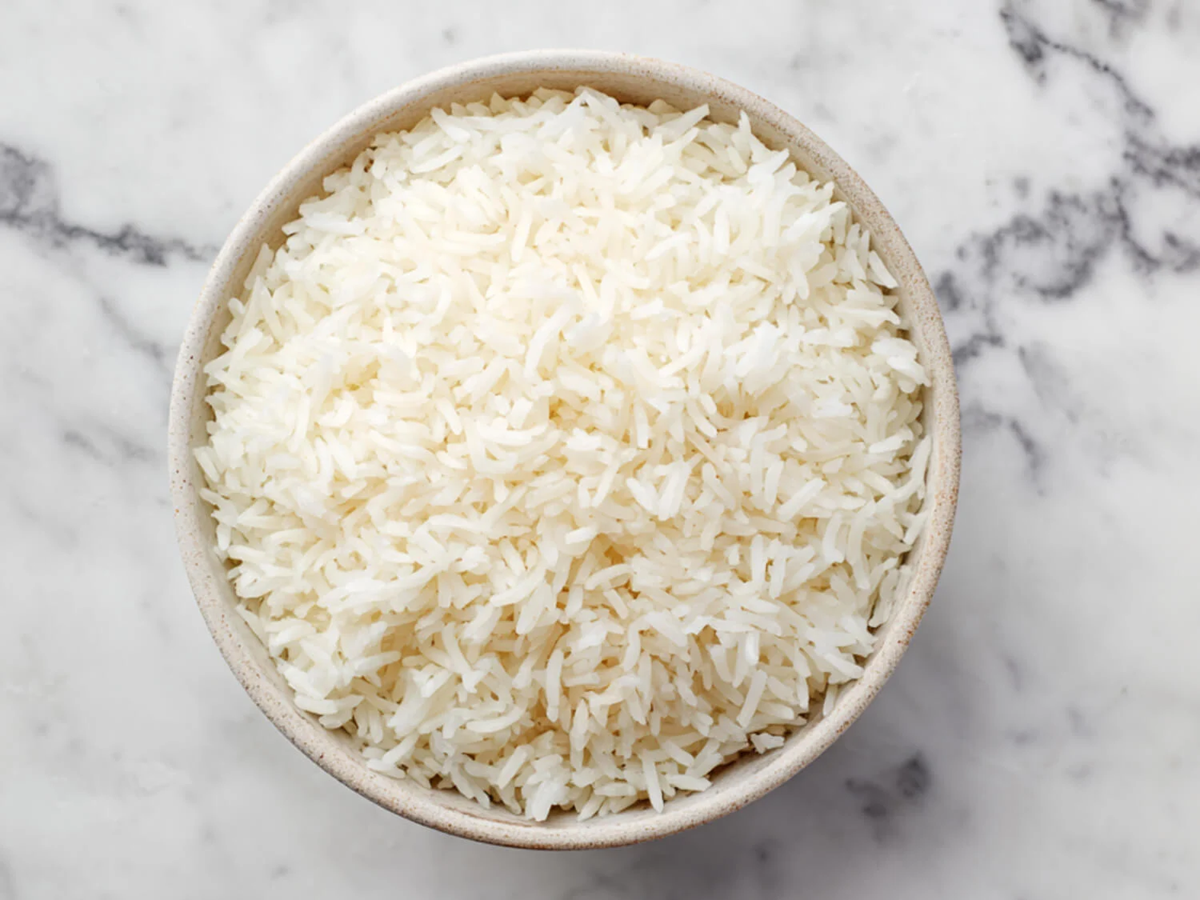
Pressure Cooker
Produces soft and slightly moist rice.
Suitable for everyday meals.
Pot
The grains remain more distinct.
Preferred for *pulao*, fried rice, and special dishes.
PC Social Media