LIFESTYLE
Raw or ripe banana? Find out the difference between the two, and which one is more beneficial..
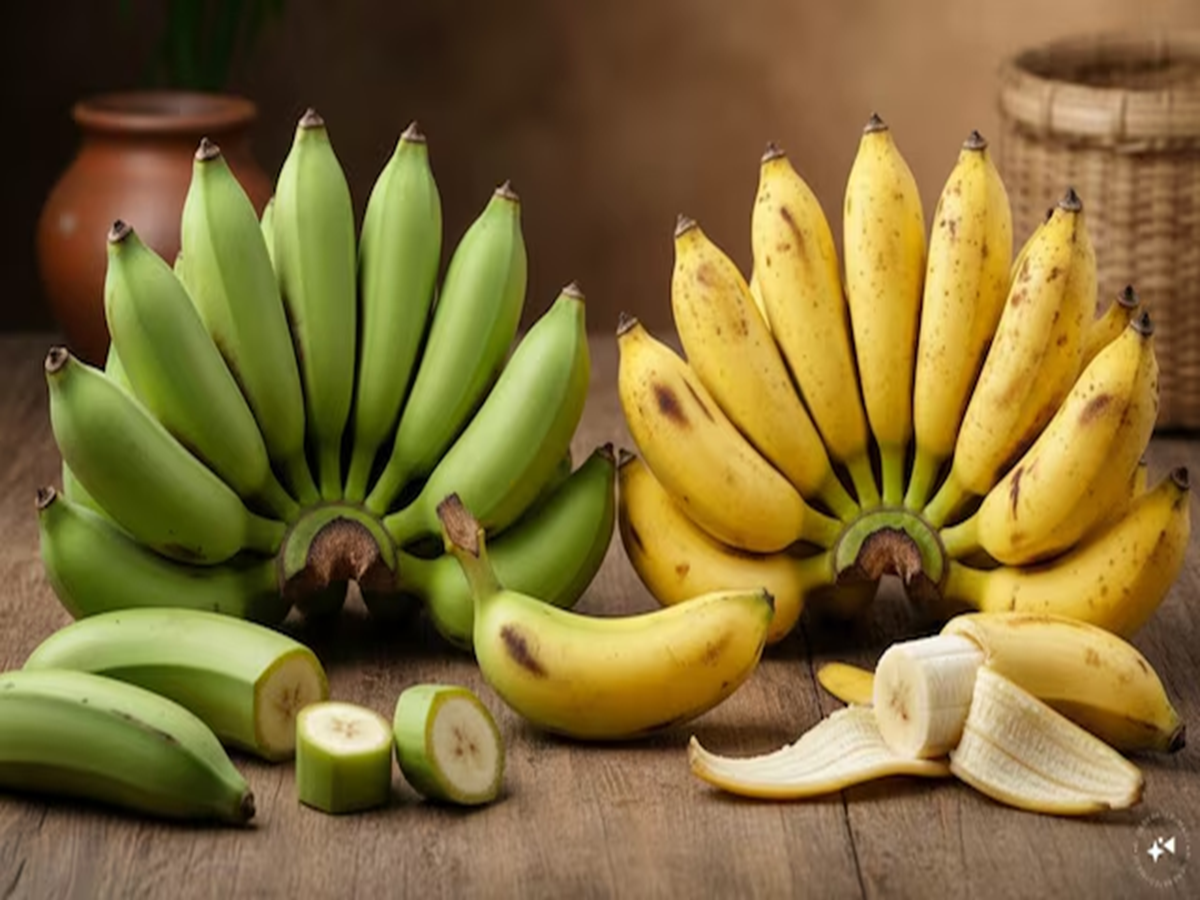
A banana is a fruit that can be easily consumed in almost any season. Although raw and ripe bananas may appear to be the same fruit, there are significant differences in their taste, nutritional content, and usage. Both are beneficial for health, yet they possess distinct properties and affect the body in different ways. Let us explore the key differences between raw and ripe bananas.
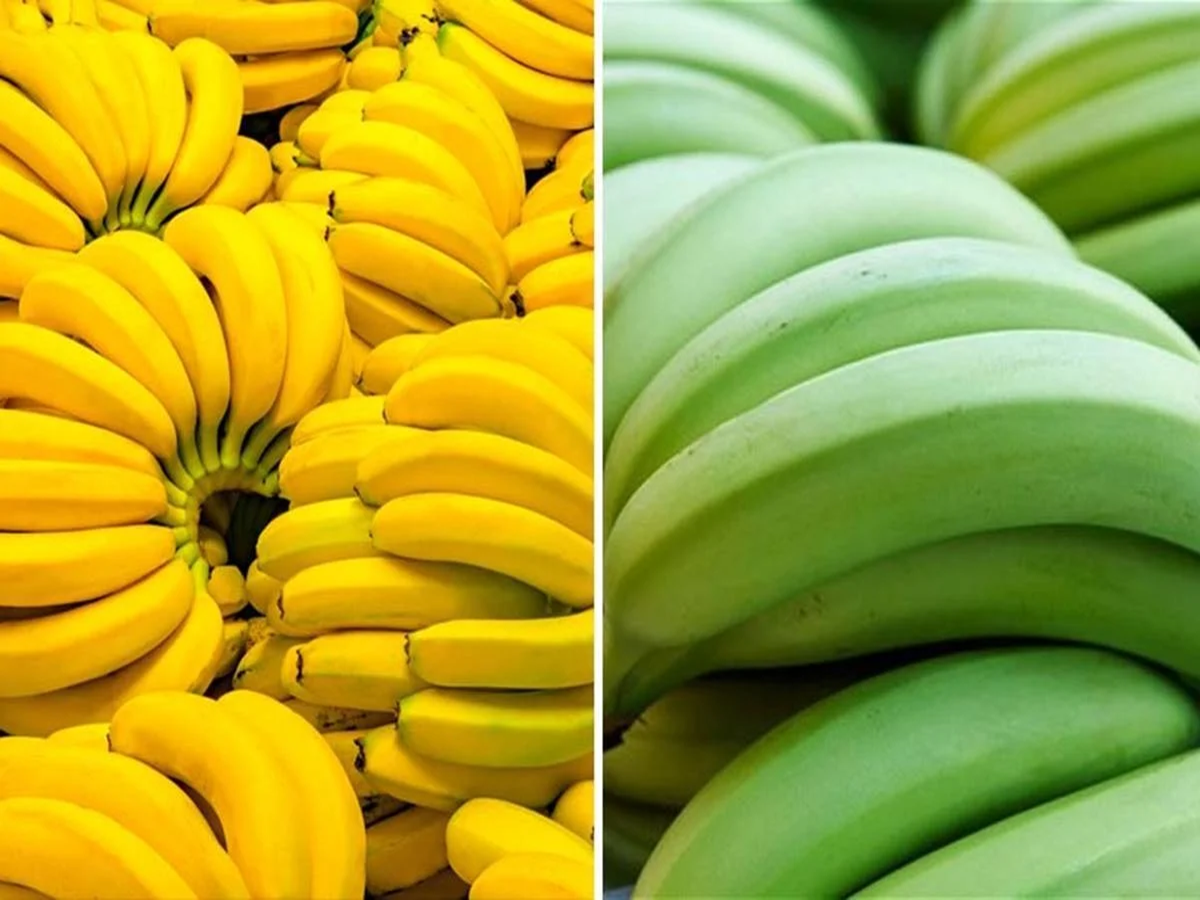
Differences in Color and Taste
Raw bananas are green in color and have a slightly astringent or bland taste. In contrast, ripe bananas are yellow, sweet, and soft. During the ripening process, the starch present in the banana converts into natural sugars, which gives it a sweet flavor.
Differences in Nutritional Content
Raw bananas are rich in resistant starch and fiber. This slows down digestion and helps one feel full for a longer period. On the other hand, ripe bananas contain higher levels of natural sugars, which provide the body with an immediate boost of energy.
Impact on Digestion
Raw bananas can help strengthen the digestive system and are considered beneficial for gut health. Ripe bananas, meanwhile, are easy to digest, making them a suitable choice for children, the elderly, and individuals with a weaker digestive system.
For Individuals with Diabetes
Raw bananas have a relatively low glycemic index, meaning they do not cause a rapid spike in blood sugar levels. Conversely, because ripe bananas contain higher amounts of sugar, individuals with diabetes should consume them only in limited quantities.
Differences in Usage
Raw bananas are used to prepare dishes such as curries, chips, *koftas* (dumplings), and cutlets. In many regions, dishes made from raw bananas are also consumed during periods of fasting. Ripe bananas, on the other hand, are typically eaten as a fruit and are also used in the preparation of shakes, smoothies, cakes, and various desserts.
Role in Weight Loss and Weight Gain
If you wish to manage your weight, raw bananas can be a better choice, as they are high in fiber and help reduce appetite. On the other hand, ripe bananas—due to their calorie and natural sugar content—are often included in diets aimed at weight gain.
Which type of banana is more beneficial?
It depends on your specific needs. If you want to stay full for longer and keep your blood sugar levels under control, raw bananas can be beneficial. Conversely, for an immediate boost of energy and easy digestion, consuming ripe bananas is considered a better option.
PC Social Media