What Does High Creatinine Mean? The kidneys work to continuously filter the blood in the body; therefore, maintaining healthy kidneys is essential for overall well-being. However, many people begin to experience kidney-related issues at a relatively young age. It is advisable to have your kidney health checked periodically.
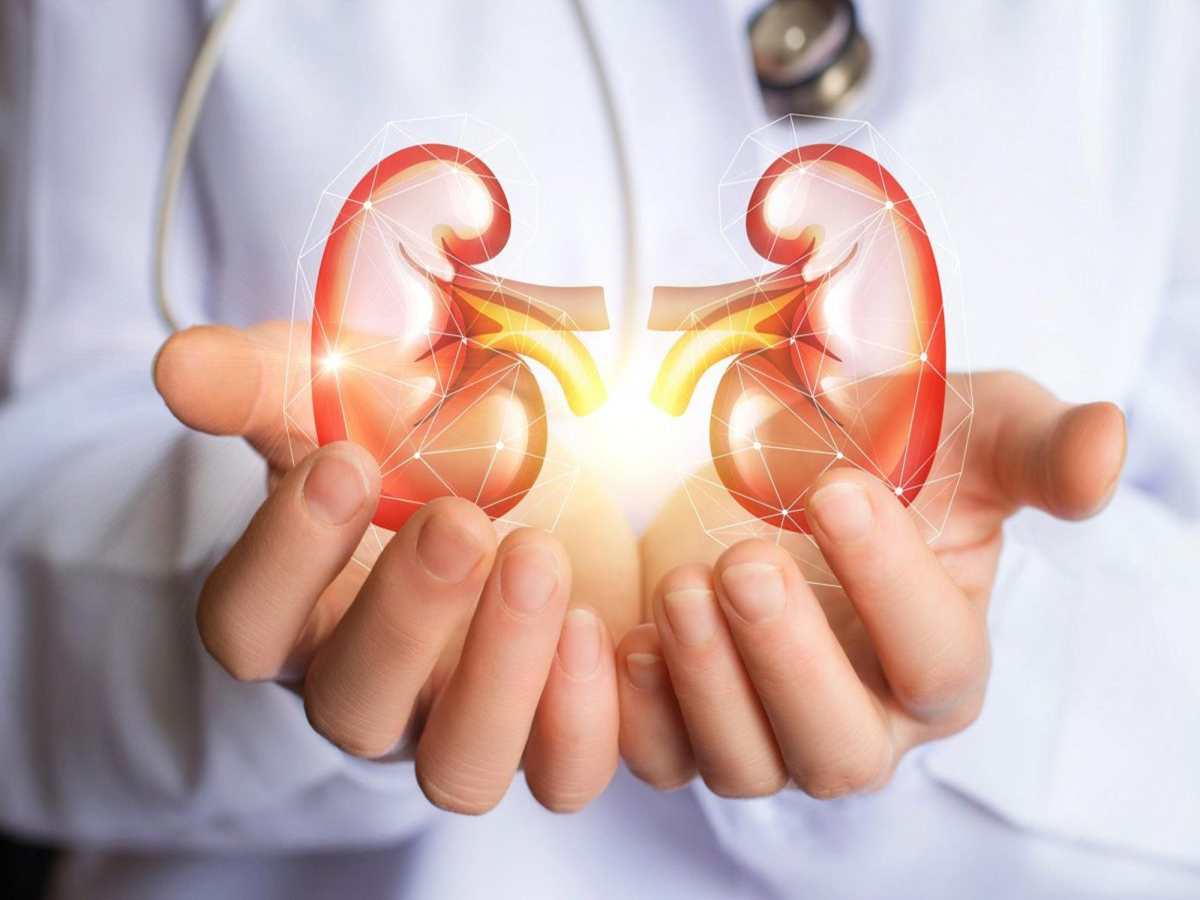
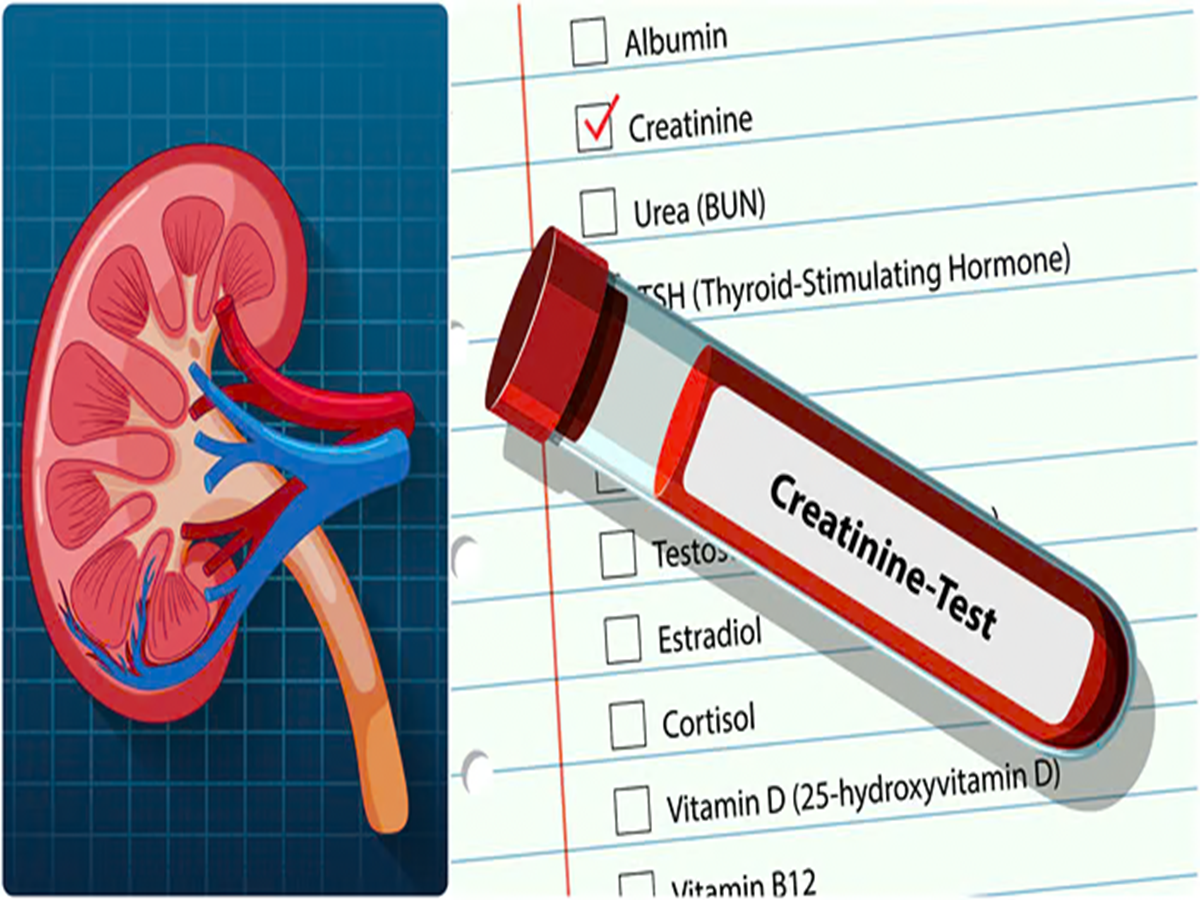
When it comes to kidney testing, creatinine is the first marker that comes to mind. A normal creatinine level in a medical report indicates that the kidneys are functioning properly. Conversely, an elevated creatinine level in a blood test may signal a decline in kidney function.
However, an increase in creatinine does not always indicate kidney disease. Factors such as dehydration, strenuous exercise, high meat consumption, and the use of certain medications can also affect its levels. Therefore, it is important to understand your test results and seek timely medical advice.
Let’s explore what creatinine is, what its associated symptoms are, and how to lower elevated creatinine levels.
What is creatinine?
Creatinine is a waste product generated in the body during the normal functioning of muscles. The kidneys filter it from the blood and excrete it through urine. When the filtering capacity of the kidneys diminishes, creatinine levels in the blood rise.
Common causes of elevated creatinine
Creatinine levels can be influenced by muscle mass, dietary habits, and the use of certain medications. Having a higher muscle mass, consuming large amounts of cooked meat, or engaging in high-intensity exercise can lead to an increase in these levels.
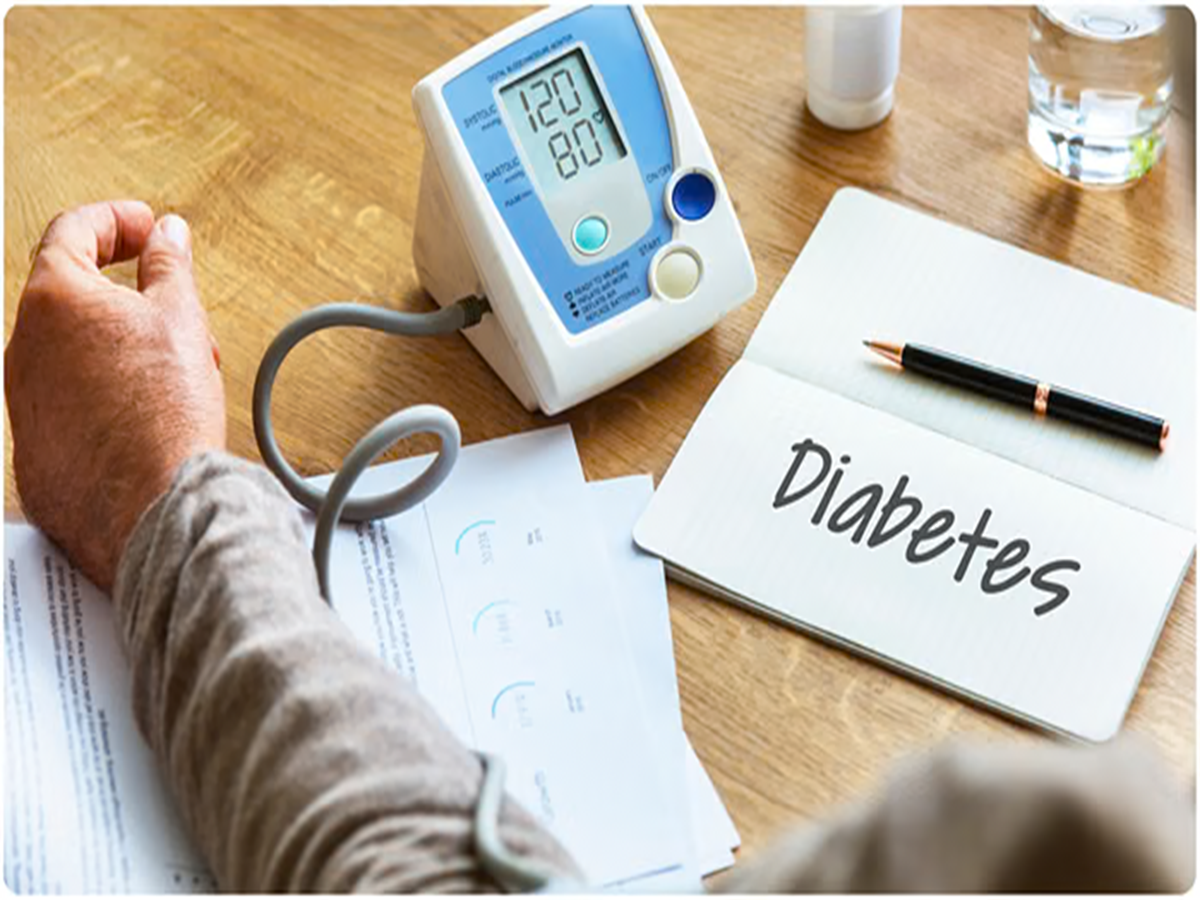
Additionally, conditions such as kidney disease, diabetes, high blood pressure, dehydration, and the use of specific medications can also cause creatinine levels to rise.
How can you manage creatinine levels?
Drink water as advised by your doctor. If you have kidney or heart disease, you may need to limit your fluid intake.
Reduce your salt intake and maintain a balanced diet. Keep your blood pressure and blood sugar under control.
Do not take painkillers or herbal supplements without consulting a doctor.
Get your creatinine, eGFR, and urine albumin levels checked as advised.

When should you see a doctor?
If your creatinine level is elevated, consult a doctor. A significant decrease in urine output, shortness of breath, or rapid swelling in the body can be serious warning signs; seek immediate medical attention if these occur.
Note: Do not rely solely on home remedies to lower creatinine levels. Kidney health is best managed by identifying the underlying cause, receiving appropriate medical treatment, and undergoing regular check-ups.
PC Social Media