LIFESTYLE
Pitru Paksha: Learn the significance of wearing Kusha grass during Shradh and Pind Daan rituals; it pleases the ancestors..
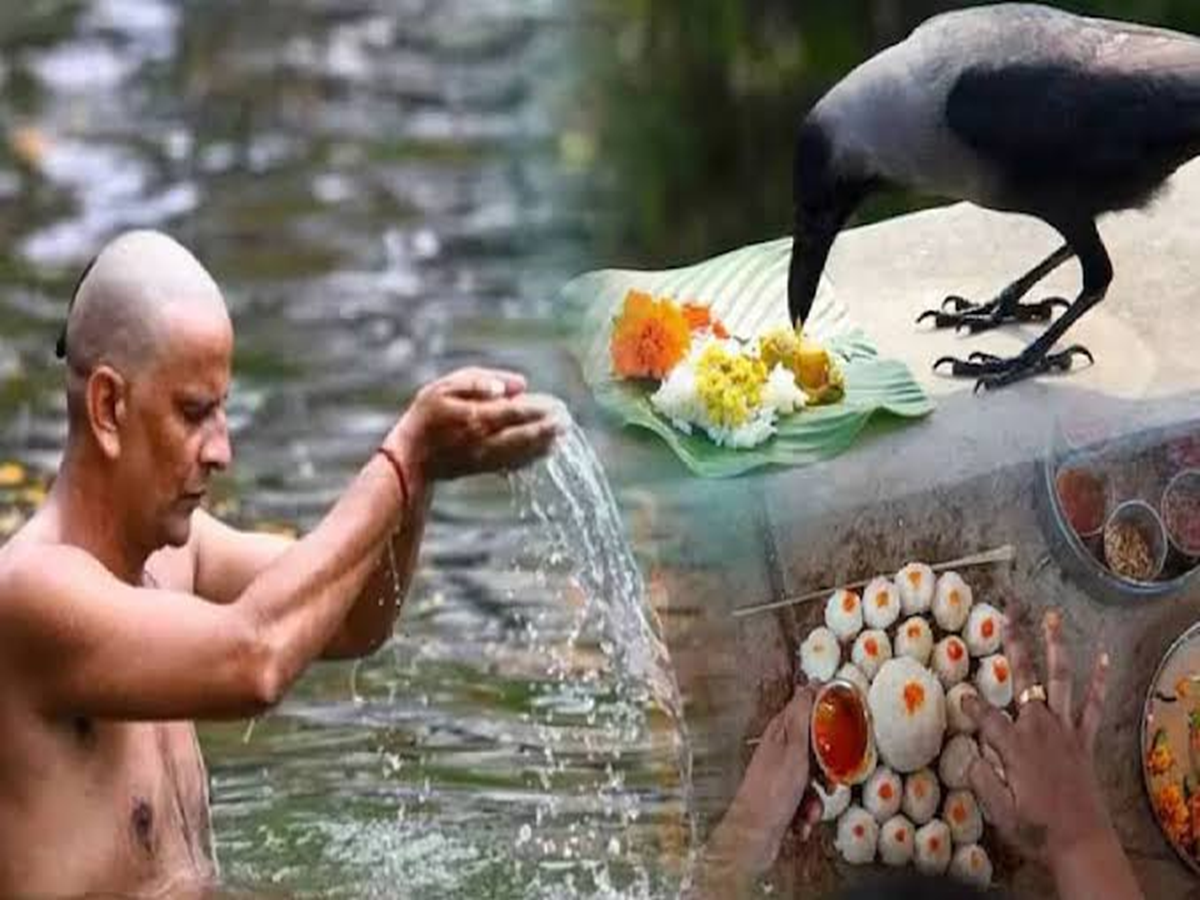
Pitru Paksha holds special significance in Sanatan Hindu Dharma. During these 15 days, people perform *Shraddha* and *Pind Daan* rituals for the peace of their ancestors' souls. During these rituals, people wear a ring made of *Kusha* grass on their finger. Why is *Kusha* worn on the finger during *Pind Daan* and *Tarpan*? What are its benefits? What do the scriptures say about it? If you have similar questions, let us find out the answers from an astrologer from Kashi.

Swami Kanhaiya Maharaj explains that the purification of both mind and body is essential for religious rituals like *Pind Daan* and *Tarpan*.
According to religious beliefs, *Kusha* grass is considered sacred and is used in various religious rituals. A ring made from this grass is called *Pavitri*. It is worn on the ring finger of the right hand during *Tarpan*, helping to maintain the body's purity.
**Ancestors are Pleased**
When we offer water to our ancestors during *Tarpan*, the water passes through this *Pavitri* ring. According to religious beliefs, the ancestors find satisfaction in the purified water that flows through the *Pavitri*, and being pleased, they bestow their blessings. This is why *Kusha* grass holds such special importance in rituals like *Tarpan* and *Pind Daan*. During *Pind Daan*, the *Pind* (offering of rice balls) is placed upon this grass before being worshipped according to prescribed rituals.
**Energy Chakra Remains Balanced**
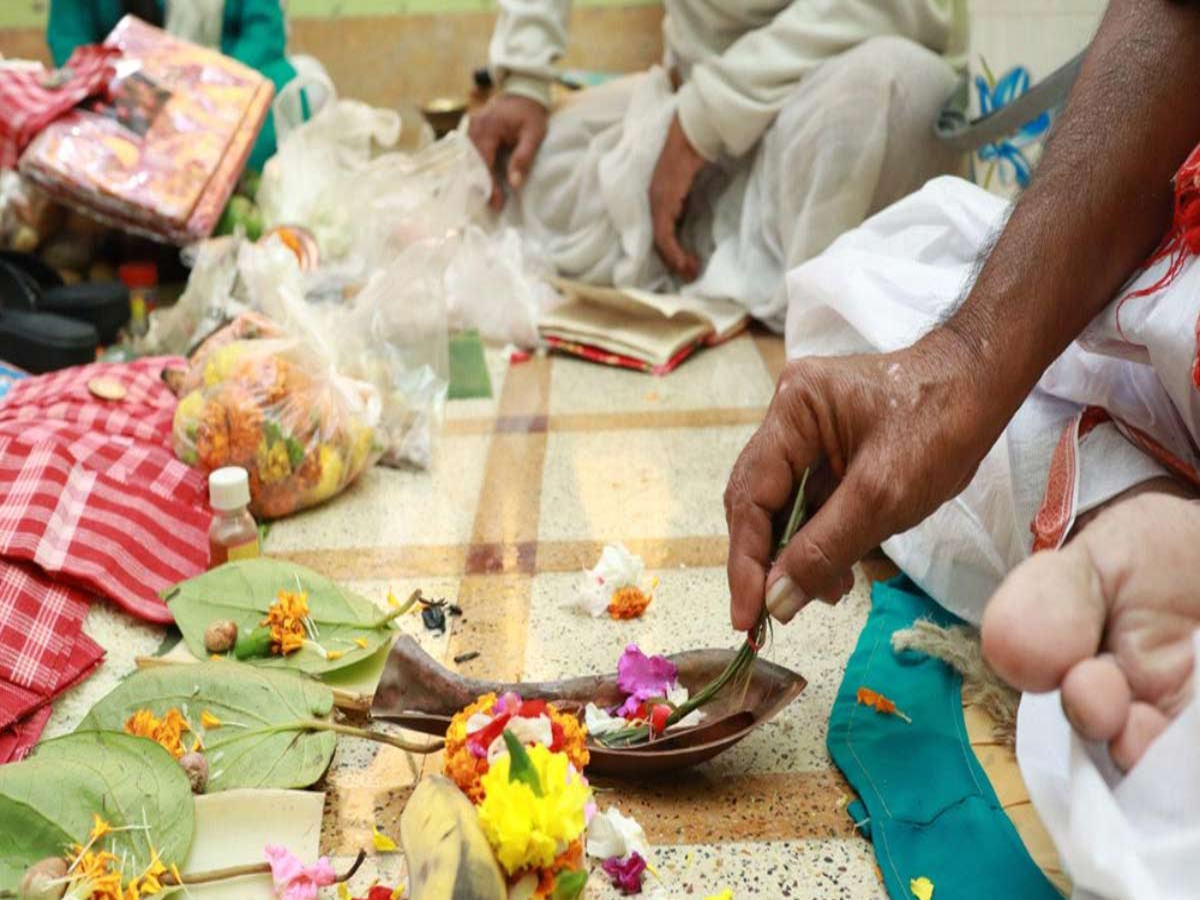
Additionally, wearing *Kusha* helps balance the body's energy chakra, leading to a calm and focused mind. When the energy chakra is balanced, one can set aside worldly concerns and focus entirely on the ritual being performed, thereby ensuring the full spiritual benefit of the worship. It is worth noting that this year, Pitru Paksha begins on September 27 and continues until October 10.
PC Social Media