
LIFESTYLE
Perform these special rituals on Sharad Purnima to please Goddess Lakshmi; learn about the significance of the worship..
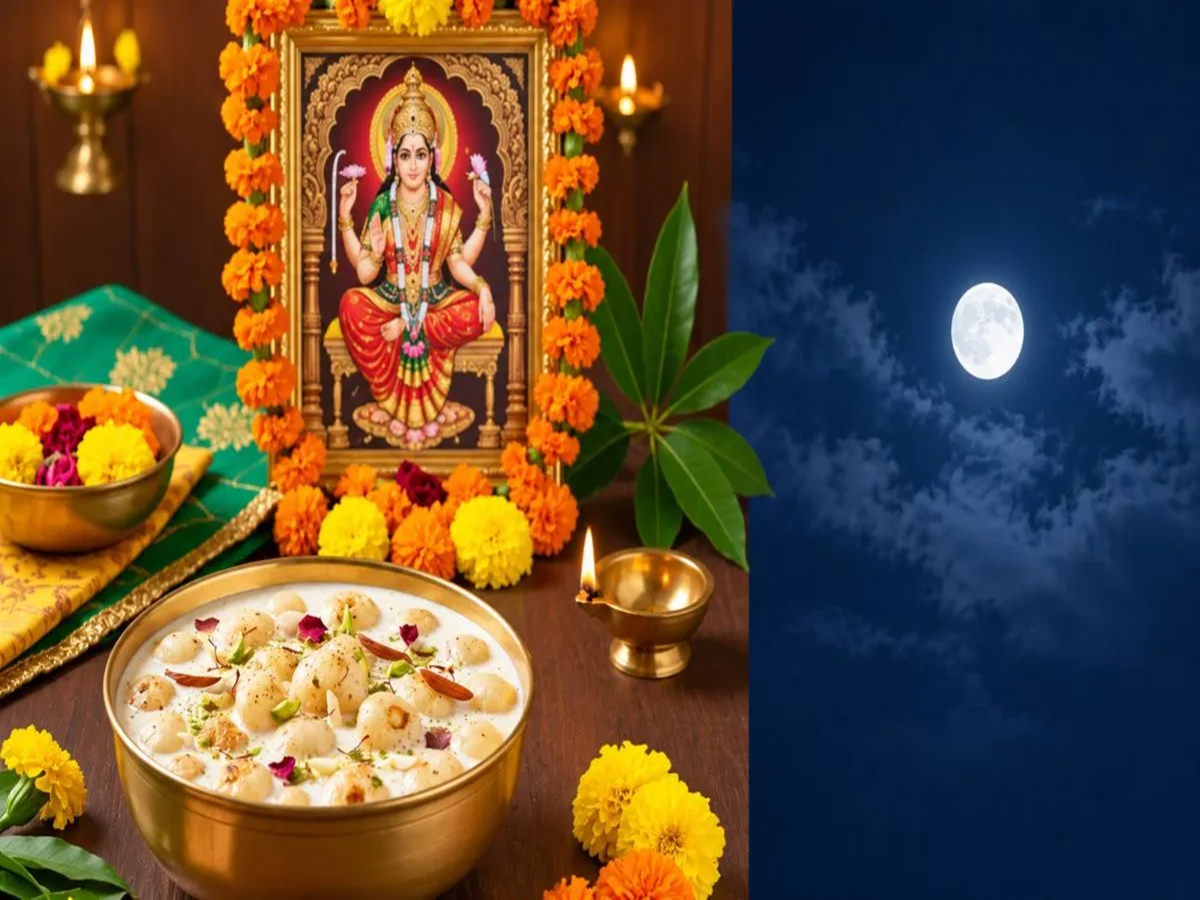
Sharad Purnima holds special significance in Hinduism. This festival is dedicated to the worship of Goddess Lakshmi and the Moon, and is a time to seek happiness and prosperity. Certain traditional rituals are performed on this occasion, which, according to religious beliefs, help ensure peace, happiness, and prosperity within the home. Let us explore the worship rituals for Sharad Purnima, the tradition of preparing *kheer* (rice pudding), and the practices to invoke the blessings of Goddess Lakshmi.
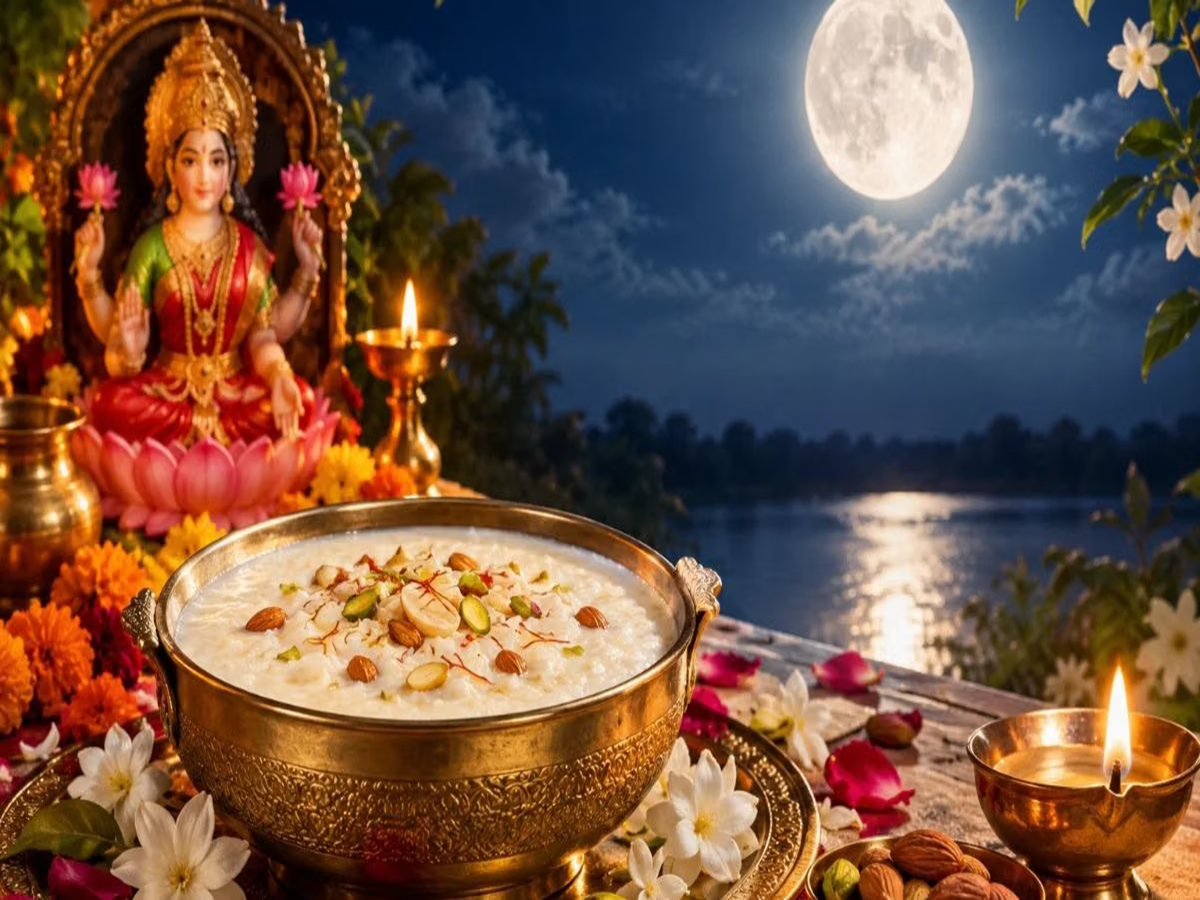
When will Sharad Purnima be celebrated?
According to the *Panchang* (Hindu calendar), October 24, 2026, marks the *Trayodashi Tithi* (thirteenth day) of the *Shukla Paksha* (bright fortnight) in the month of *Ashwin*, followed by the *Chaturdashi Tithi*. The festival of Sharad Purnima will be celebrated on October 25. According to religious traditions, worshipping Goddess Lakshmi and Lord Vishnu on this day is believed to bring happiness and prosperity. Performing prayers and chanting *mantras* in the evening is considered highly auspicious.
Practices to seek the blessings of Goddess Lakshmi on Sharad Purnima
On the evening of Sharad Purnima, worship Goddess Lakshmi and Lord Kubera at your home’s place of worship, following the prescribed rituals. Light a *diya* (lamp), offer flowers, and pray for the happiness and prosperity of your family.
According to religious beliefs, reciting the *Shri Sukta*, *Lakshmi Sukta*, and *Vishnu Sahasranama* on Sharad Purnima is considered auspicious. Chanting these *mantras* with devotion brings peace of mind and helps devotees seek the blessings of Goddess Lakshmi.
There is a tradition of placing silver coins and seven *kaudis* (cowrie shells) during the worship of Goddess Lakshmi on this day. Offer turmeric and saffron to them, and pray to Goddess Lakshmi for wealth, abundance, and prosperity. After the worship, these items can be kept in a safe, secure place or in a *tijori* (safe/vault).
Worshipping the *Shri Yantra* on Sharad Purnima is also considered auspicious. During the ritual, meditate upon Goddess Lakshmi and recite the *Shri Sukta*. It is believed that this practice fosters positivity and invites prosperity into the home.
Why is there a tradition of preparing *kheer* on Sharad Purnima?
On Sharad Purnima, it is customary to prepare *kheer* (a rice pudding made with milk) and place it under the moonlight. It is believed that on this night, the moon is at its full potential—possessing all sixteen of its phases (*solah kala*)—and that its rays possess qualities akin to *amrit* (nectar). Based on this belief, the *kheer* is left out in the open at night and later consumed as *prasad* (a sanctified offering). Furthermore, consuming milk-based *kheer* during the seasonal transition has long been a part of traditional Indian dietary practices. However, the notion that the moon's rays imbue the *kheer* with medicinal properties or transform it into *amrit* is a matter of religious belief, not a scientifically proven fact.
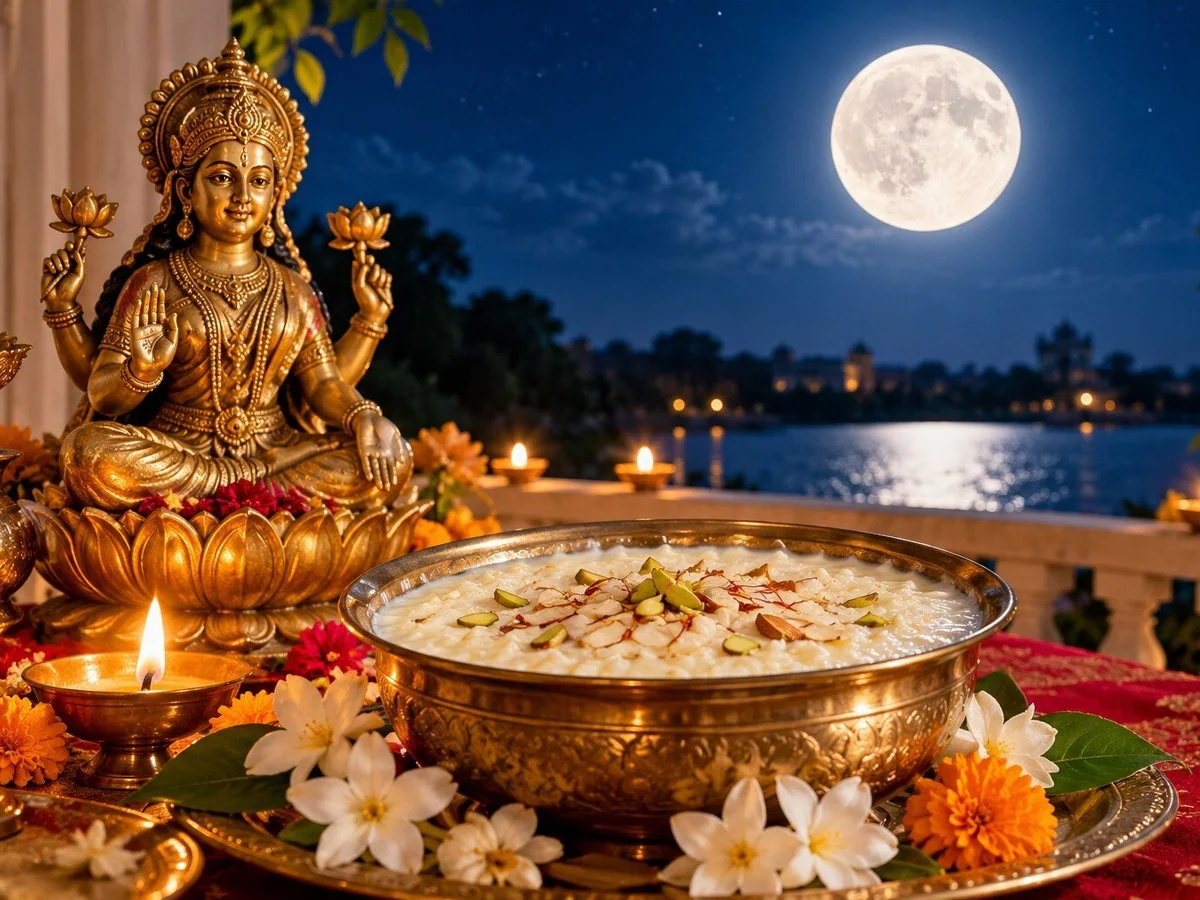
Religious Significance of Sharad Purnima
Sharad Purnima is also known as Kojagiri Purnima. According to religious traditions, this night holds special significance for the worship of Goddess Lakshmi and for *jagaran* (staying awake throughout the night in devotion). Devotees pray to Goddess Lakshmi, seeking wealth, happiness, peace, and the well-being of their families. Observing rituals with faith and devotion, helping those in need, and celebrating the festival with one's family are considered highly auspicious. Beyond the rituals, embracing values such as cleanliness, self-restraint, and service adds deeper meaning to the spirit of this festival.
PC Social Media