
Poor lifestyle choices and unhealthy dietary habits have caused serious harm to our overall health. This is why the risk of conditions such as weight gain, heart disease, diabetes, and cancer is increasing among people at a younger age. Kidney health, too, has been significantly affected.

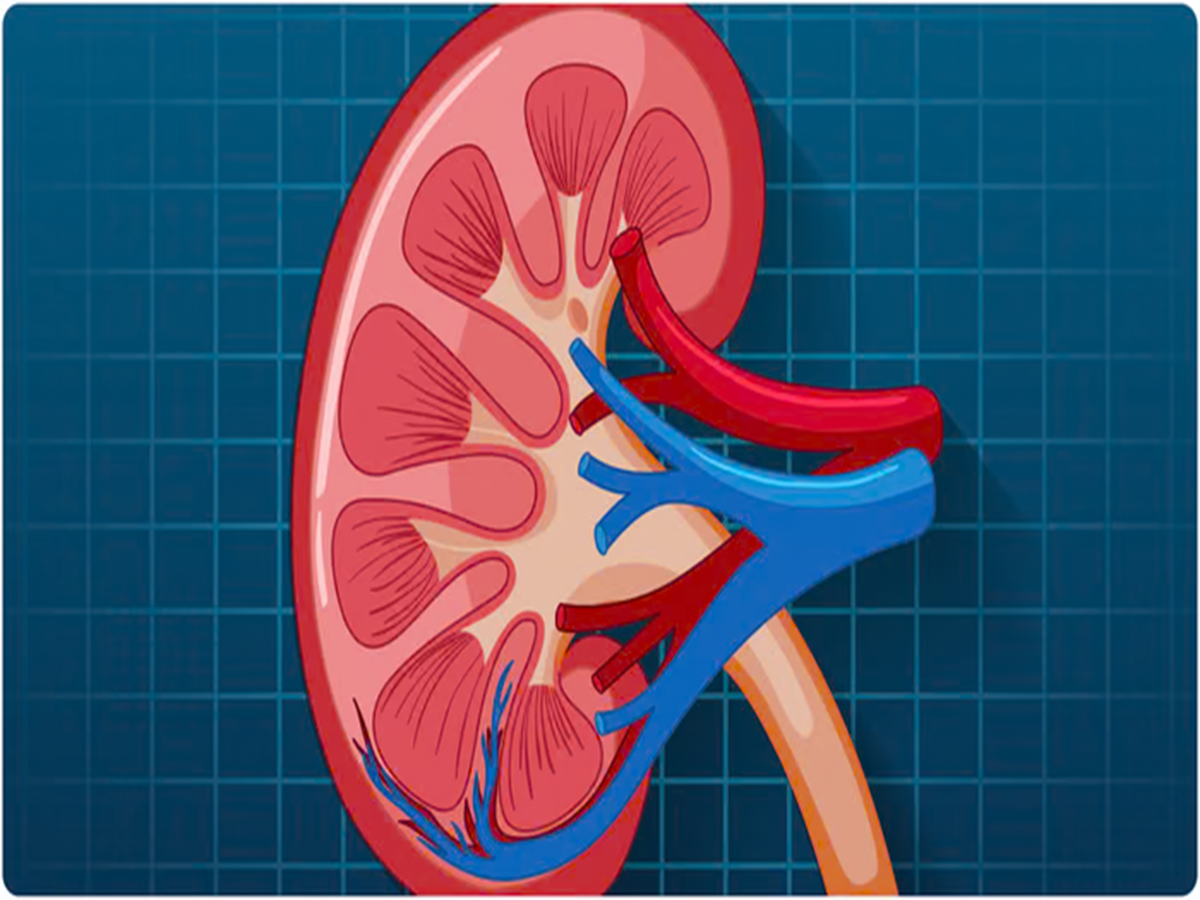
The kidneys are vital organs that filter the blood, removing waste products and excess water from the body in the form of urine. Consequently, any issue with the kidneys can lead to the accumulation of waste substances in the body. Kidney stones are a very common problem, and health experts are urging people to be vigilant.
Minerals and other substances present in the urine can accumulate to form solid, stone-like deposits within the kidneys. Kidney stones can cause severe pain on one side of the lower back or abdomen, blood in the urine, vomiting, and difficulty or discomfort during urination.
Did you know that for many people, kidney stones can recur even after being treated once? Let’s explore why this happens.
The Issue of Kidney Stones
Health experts point out that if the root causes of kidney stones are not addressed, there is up to a 50% chance of recurrence within five years. This is why experts advise those who have had kidney stones to remain extra cautious.
Doctors note that some individuals may have a genetic predisposition to kidney stones. Furthermore, factors such as an unhealthy daily routine and poor dietary habits can also increase the risk of developing kidney stones more than once.
Why Do Kidney Stones Recur?
According to health experts, recurrent kidney stones occur when the urine contains high concentrations of crystal-forming substances, such as calcium, oxalate, or uric acid.
Could it be a lack of water? Not drinking enough water causes urine to become concentrated. This leads to the accumulation of calcium, oxalate, and other minerals, which form crystals that can eventually develop into kidney stones. Excessive sweating during hot weather and prolonged periods without water intake can also increase this risk.
Dietary factors can also be a cause.
Consuming too much salt—whether through meals or packaged food products—can increase the level of calcium in the urine, raising the risk of kidney stones in some individuals. Items like chips, savory snacks, pickles, and various packaged foods are high in sodium. We often overlook this, but it results in an excessive intake of salt.
Foods such as spinach, nuts, and chocolate contain oxalates; consuming these in large quantities can also increase the risk of developing stones in some people.
Consider genetic factors as well.
If there is a family history of kidney stones, gout, or metabolic disorders, you should be extra cautious. Recurrent urinary tract infections (UTIs) and intestinal conditions can also increase the risk of developing stones.
Furthermore, certain medications may also elevate the risk of developing stones.
How can you prevent kidney stones?
Health experts recommend drinking plenty of water, reducing salt intake, and maintaining a balanced diet to avoid recurring kidney stone issues.
Include fruits, vegetables, whole grains, and a moderate amount of calcium-rich foods in your diet.

Avoid taking excessive amounts of Vitamin C or other supplements unless necessary.
If you experience severe abdominal pain accompanied by fever, chills, persistent vomiting, or an inability to urinate, seek medical advice immediately. The presence of an infection or an obstruction in the urinary tract alongside kidney stones can be a serious condition. Proper diagnosis and timely treatment can reduce the risk of kidney stones recurring.
PC Social Media