Parenting
Parenting: Why does a child claim ownership over everything? These factors contribute to the ‘it’s mine’ habit..
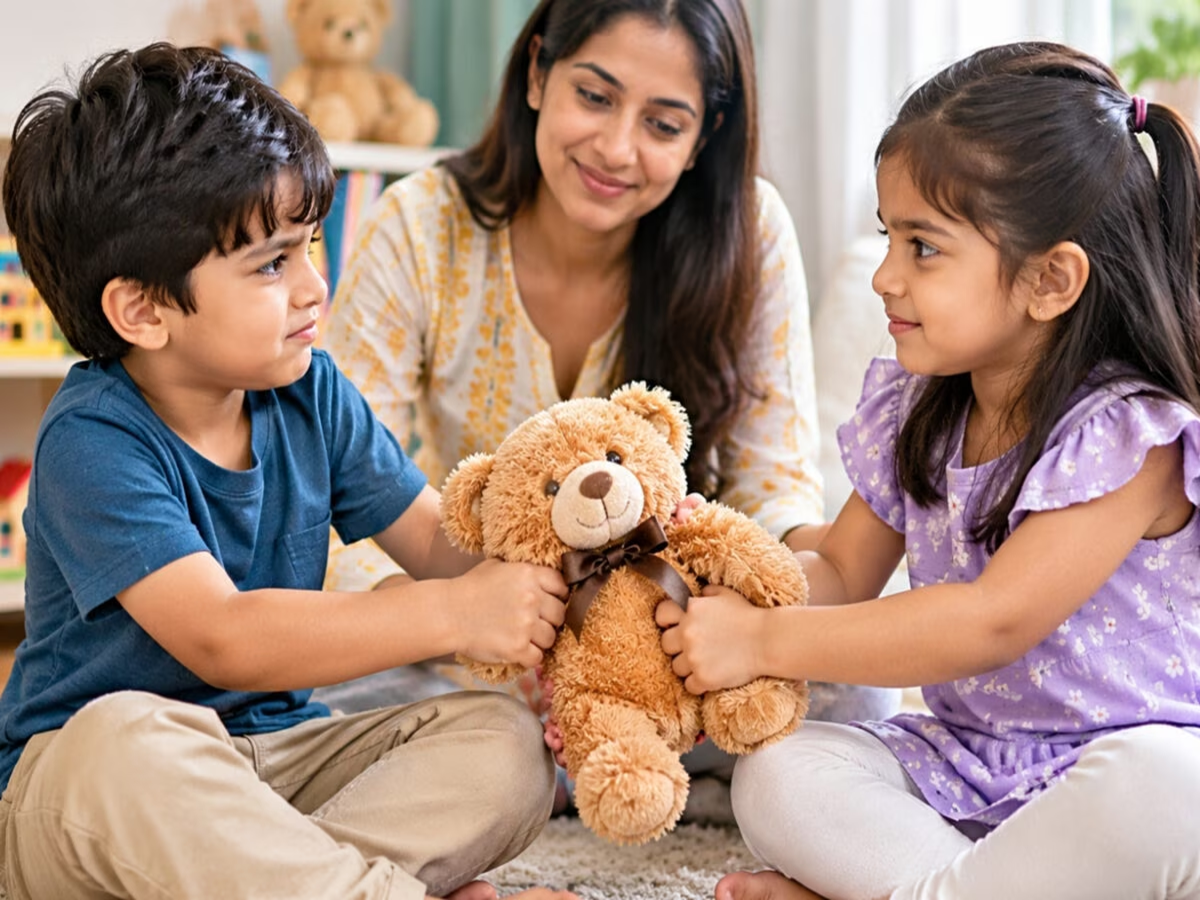
Children and the Habit of Sharing: If a child refuses to let someone else play with their toy, demands an item back the moment they see it in a sibling’s hands, or insists, “This is mine!”—many parents might conclude that the child is being stubborn or simply lacks the habit of sharing. However, such behavior is not always a sign of stubbornness. At a young age, children are gradually learning to distinguish between what belongs to them and what belongs to others. They are also learning to express their preferences, practice patience (waiting for their turn), and begin to understand the needs of those around them.

During this developmental phase, the things said at home and the behavior of the adults around them can significantly influence a child’s perspective. Instead of scolding the child, it is important to understand why they might be struggling to share their belongings.
Why might a child repeatedly say, “This is mine”?
For young children, a favorite toy, book, or other object is more than just a plaything; they often form an emotional attachment to it, which can cause them distress when they see it in someone else’s hands. Sometimes, a child may be protective of their belongings because they fear that the item might be taken away permanently or never returned. As children grow, they gradually learn to wait for their turn, engage in play with others, and manage their emotions. Therefore, if a child frequently says, “This is mine,” it is not fair to immediately label them as stubborn. Instead, observe which items trigger this reaction and consider the context in which it happens.
What kind of language at home might reinforce this behavior?
While it is important to help children understand the value of their possessions, the way this is communicated matters. For instance, if a child repeatedly hears remarks like, “This is your toy—don’t give it to anyone,” “Someone might take your things away,” or “Don’t let anyone else touch your stuff,” they may become overly cautious or defensive about sharing their belongings with others. This does not mean that saying such things once or twice will cause a child to stop sharing. However, if a child is repeatedly threatened with having their belongings taken away, it may increase their anxiety about losing their possessions.
On the other hand, if family members use each other’s belongings without asking, the child may learn to do the same. Therefore, it is important to explain that while sharing one’s own things is a positive behavior, it is equally important to seek permission before taking something that belongs to someone else.
How can you teach a child to share?
1. Offer options instead of using force
If a child does not want to share a toy, avoid taking it away from them to give to someone else; this may only make them more upset. Instead, try saying, “You can play with it for now, and once your turn is over, you can pass it to your sibling.” This helps the child gradually learn the concept of taking turns.
2. Set an example by sharing yourself
Children learn a great deal by observing adults. Model behaviors such as sharing food, helping others, and being mindful of the needs of those around you. Also, make it a habit to ask for permission before using someone else’s belongings.
3. Praise them when they share
When a child chooses to share a toy or allows another child to play with it after their own turn is finished, offer praise. You might say, “It’s wonderful that you shared your toy after your turn!” This helps them understand that being considerate of others is a positive behavior.
4. Respect their personal belongings
Not everything needs to be shared. A child may have certain favorite items that they wish to keep for themselves. Acknowledge their feelings and gently guide them on which items can be shared and which ones are perfectly fine to keep private. This will also teach them to respect the boundaries of others. Do not always interpret a child’s ‘no’ as mere stubbornness.
A child refusing to share their own belongings with someone else is not necessarily ‘bad’ behavior. What is important is that they do not try to snatch things from others and that they learn the appropriate way to express their wishes. Along with teaching them to share, parents should also help them understand the boundaries regarding their own possessions and those of others.
PC Social Media