Parenting
Parenting Tips: Do your children not listen to you? Change this habit of yours first, then watch the magic happen..
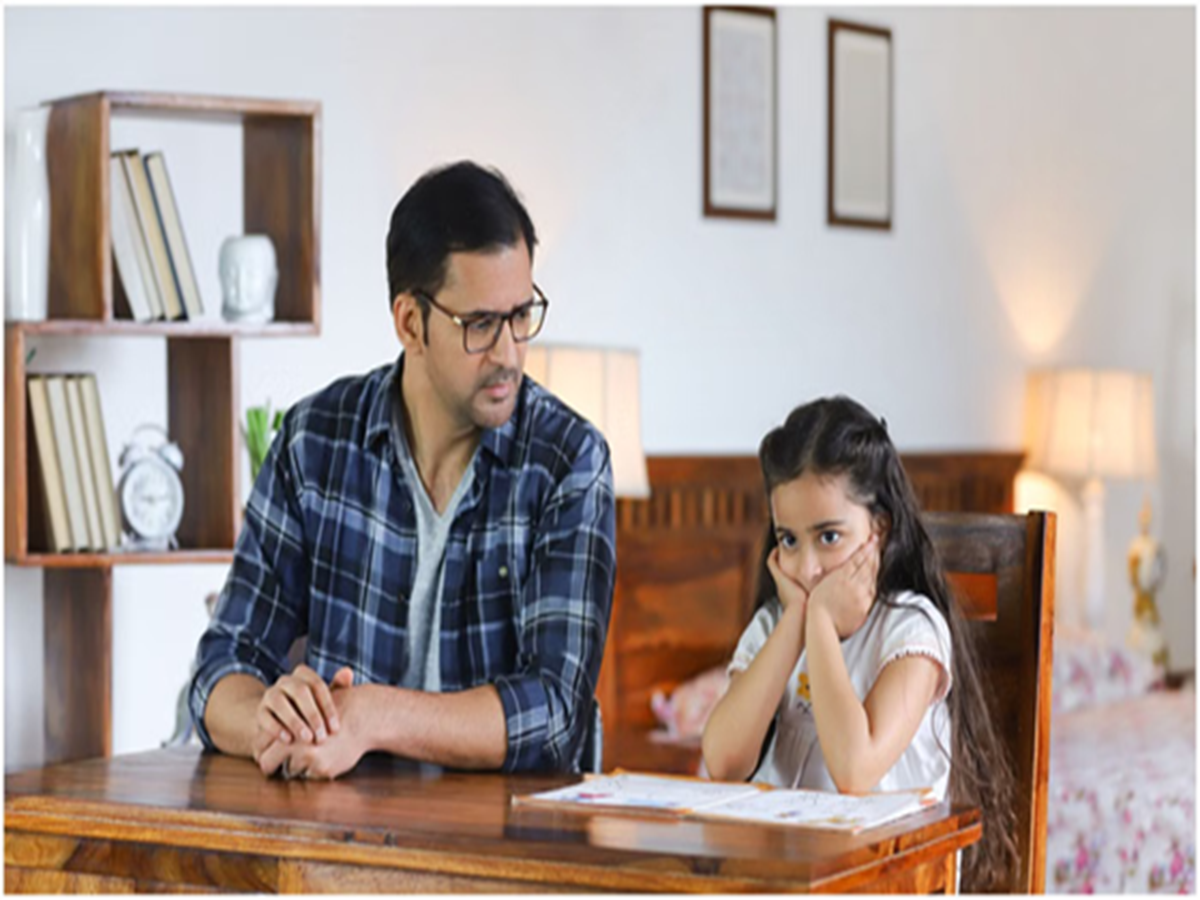
How to Handle Angry Kids: Does your child get angry over trivial matters or start fights with others? The reason might not just be their habits, but the home environment itself. According to experts, children learn more by observing than by listening. Therefore, adopting a calm parenting approach—instead of shouting at every mistake—can be far more beneficial for their mental and emotional development.

The Home Environment Shapes a Child's Behavior
Raising children is no easy task. A major challenge is that children do not merely listen to what their parents say; they also mimic their behavior, tone of voice, and the way they handle problems. Consequently, a calm, loving, and positive home environment helps mold children into confident, sensitive, and responsible individuals with good values.
Scolding Isn't Always the Right Approach
Parents often believe that raising their voices or scolding will make a child obey them immediately. While a child might fall silent out of fear in the moment, this reaction stems from intimidation rather than genuine understanding. This often leads to them suppressing their emotions, lying, or hiding their mistakes. Therefore, it is important to change this approach.
The Benefits of Calm Parenting
When parents listen to their children with patience and calmness, the children feel safe and respected. They gain the confidence that they will be understood, even if they have made a mistake. This boosts their self-confidence and teaches them to openly express their feelings, problems, and thoughts. Calm parenting encourages children to resolve issues through understanding and dialogue rather than anger, thereby improving their relationships and social behavior.
Discipline Is Essential, But Without Fear
Calm parenting certainly does not mean ignoring a child's mistakes. Discipline is necessary, but its goal should be to instill an understanding of right and wrong, not to create fear. Establish clear rules, explain the reasons behind them, and apply them consistently to everyone. Opt for love, open communication, and consistency instead of harsh words and a raised voice. If you do end up shouting at your child in anger, acknowledge your mistake. This teaches children to admit their own mistakes, learn from them, and behave responsibly.
Expert Opinion – What Parents Should Do
Clinical psychologist Garima suggests that instead of shouting at children, you should first listen to them carefully and keep your emotions in check. When a mistake occurs, focus on teaching solutions rather than scolding, and appreciate good behavior.
Spend some quality time together every day to build trust. Children learn through patience, communication, and positive examples. A balanced parent is one who guides their children with understanding and sensitivity. Remember, children learn more from your actions than from your words. Therefore, instead of getting angry over every mistake, choose the path of patience, communication, and love.
PC Social Media