
Parenting
Child Health: Is your child crazy about chocolate too? This habit could take a toll on their health..

Does your child also eat 3–4 chocolates a day? Whether it is a birthday or an occasion to cheer them up, do you often hand them a chocolate? Have you ever considered that this sweet treat could gradually become a health issue for your child?

Doctors state that while chocolate may be a favorite among children, its high sugar and calorie content can increase the risk of various diseases. The World Health Organization (WHO) advises against giving children foods containing added sugars. Excessive chocolate consumption, in particular, can lead to obesity, tooth decay, and other health problems.
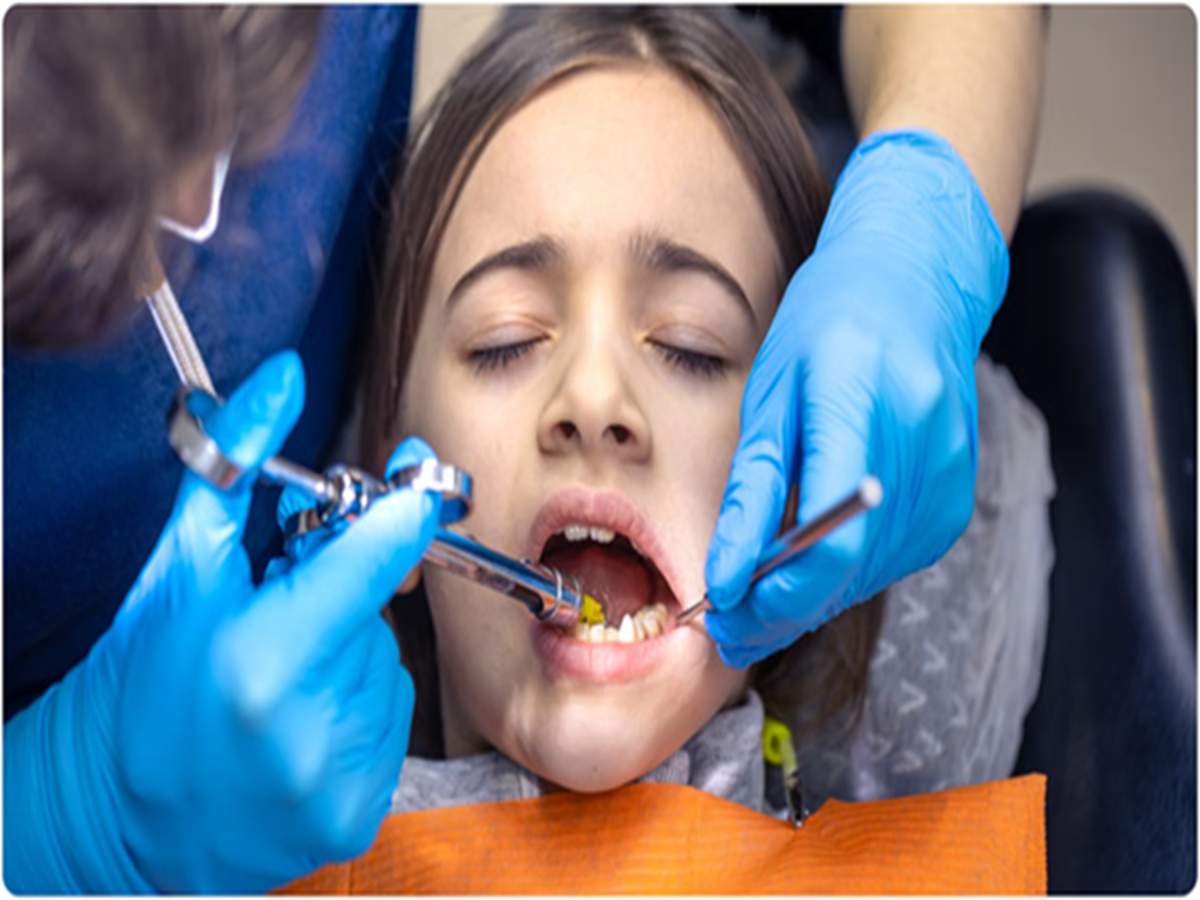
The American Academy of Pediatric Dentistry notes that frequent consumption of sugary foods activates plaque-forming bacteria on the teeth; these bacteria produce acid that damages the tooth's outer layer (enamel). If your child eats a lot of chocolate, you should be cautious.
Is your child eating too much chocolate?
Doctors say that excessive chocolate consumption can affect a child's appetite. They may start eating less nutritious food, preventing their bodies from getting adequate amounts of essential vitamins, minerals, protein, and fiber.
Some chocolates also contain caffeine and theobromine, which can cause restlessness, sleep disturbances, or over-excitement in sensitive children. Additionally, excessive calorie intake can increase the risk of weight gain and metabolic problems in the long run.
However, this does not mean children should stop eating chocolate entirely. Consuming chocolate occasionally, in moderation and as part of a balanced diet, is generally considered safe. But excessive consumption can lead to problems.
Highest risk of cavities
Frequent chocolate consumption causes bacteria on the teeth to convert sugar into acid. This acid gradually erodes the tooth enamel, leading to the formation of cavities.
The risk increases further if the child does not rinse their mouth or brush their teeth after eating chocolate. Chocolate tends to stick to the teeth for a long time, providing bacteria with a prolonged supply of sugar.
Children who consume excessive chocolate are more prone to developing brown spots on their teeth, tooth sensitivity (to hot and cold temperatures), and pain.
**Obesity and Sleep Issues**
Most milk chocolates are high in sugar and calories. If a child eats multiple chocolates daily and engages in little physical activity, the excess calories can accumulate in the body and lead to weight gain. Childhood obesity can increase the risk of future health problems such as Type 2 diabetes, high blood pressure, and fatty liver disease.
Additionally, some chocolates contain caffeine and theobromine. Consuming large amounts of chocolate at night can lead to difficulty falling asleep, restlessness, or hyperactivity.
**Harm Caused by Packaged Foods**
Doctors note that parents often give children ready-to-eat (packaged) foods that tend to stick to the teeth. Children often fail to drink water or rinse their mouths after eating these foods. Consequently, food particles remain stuck to the teeth, leading to the onset of tooth decay. Instead of packaged snacks like chocolates, biscuits, and chips, parents should offer traditional meals consisting of items like lentils (dal), rice, parathas, rotis, and vegetables.
**Points to Remember**
Stop or reduce the consumption of packaged foods for children.
Ensure children rinse their mouths with water after eating.
Encourage the habit of brushing teeth in the morning and before going to bed at night.
Consult a doctor immediately if a problem arises with any tooth.
PC Social Media