
Parenting
Parenting: Children can fall ill quickly during intense heat—adopt these smart parenting tips..

Summer Care Tips: While summer vacations are incredibly fun for children, they can prove to be equally challenging for parents. Intense sunlight, humidity, and rising temperatures can rapidly impact the health of young children. Often, while playing, children become so exhausted that they fail to realize when their bodies are becoming dehydrated or when the onset of heatstroke has begun. In such weather, simply keeping children indoors is not the sole solution; it becomes essential to pay close attention to their diet, clothing, and daily habits as well.

Young children, in particular, perceive heat more intensely than adults and take longer to adapt to it. This is why even slight negligence during the summer months can lead to health issues such as dehydration, fever, or heatstroke. The good news is that by adopting a few simple, everyday measures, children can be kept largely safe from the adverse effects of the heat.
**Instill the Habit of Drinking Water Frequently**
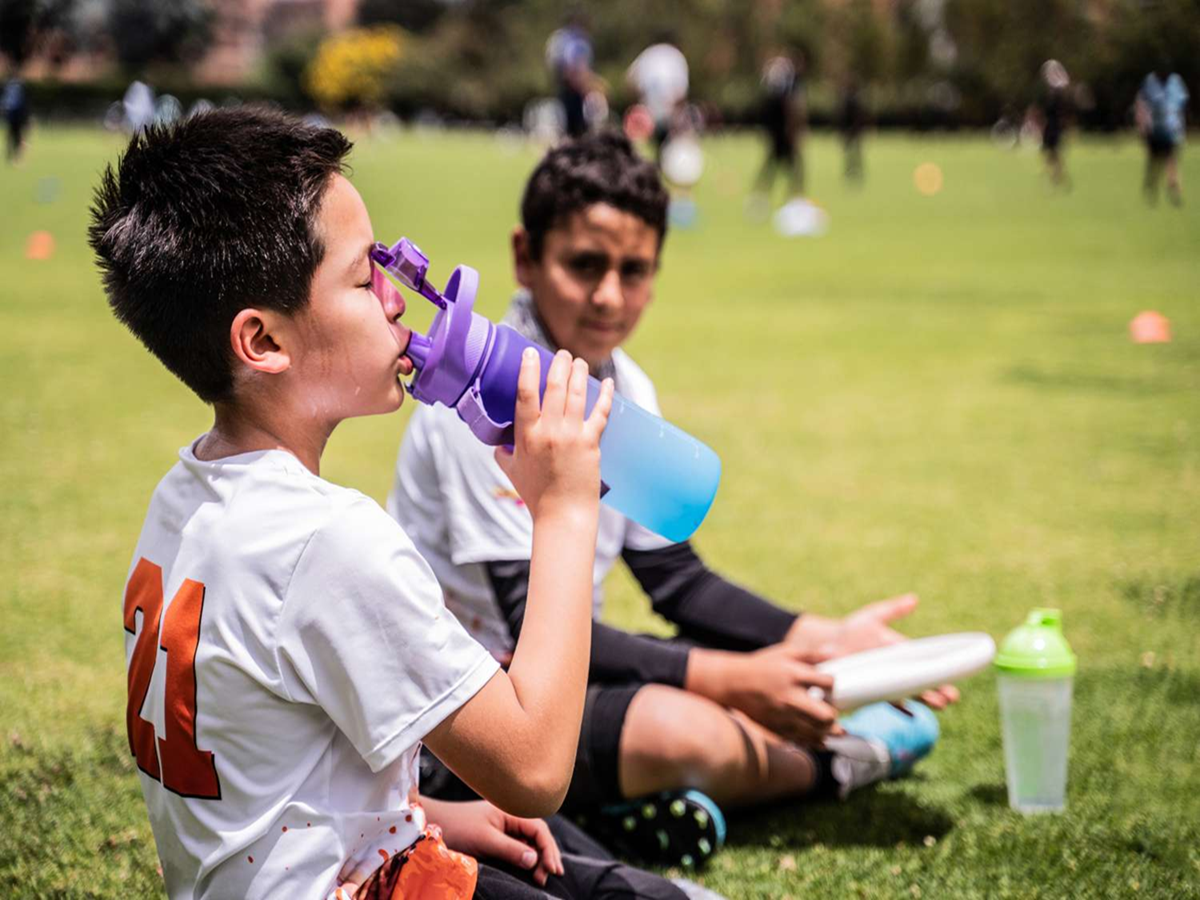
The greatest risk during the summer is dehydration—a deficiency of water in the body. Children often forget to drink water while playing, and this habit can subsequently lead to health complications. Therefore, parents must remind them to drink water at regular intervals.
Beyond just plain water, beverages such as coconut water, lemonade, buttermilk (chaach), and freshly squeezed homemade juices also play a vital role in keeping children hydrated. In many households, refrigerated soft drinks have become the children's first choice; however, these provide minimal relief while causing more harm than good to the body. Instead, water-rich fruits—such as watermelon, cucumber, and muskmelon—prove to be far superior alternatives.
**Exercise Extra Caution During Playtime**
If a child is playing outdoors or engaged in any physical activity, ensure they take frequent breaks to drink water. Many doctors also advise that children should not go for extended periods during the summer on an empty stomach or without consuming water.
**Lightweight and Comfortable Clothing is Essential**
During the summer season, the clothing children wear has a direct impact on their health. Often, in the pursuit of fashion, children are dressed in synthetic or tight-fitting clothes, which prevent body heat from escaping.
Lightweight and loose-fitting cotton clothes are considered the best choice for children. They absorb sweat and help keep the body cool. Light colors—such as white, pale yellow, or pastel shades—attract less sunlight, thereby reducing the sensation of heat.
**Ensure They Wear a Hat When Stepping Out**
If a child is going outdoors, make sure they wear a cap or a hat. This prevents direct sunlight from hitting the head and reduces the risk of heatstroke. Additionally, applying a light layer of sunscreen to the child's skin before stepping out into the sun can also be beneficial.
**Protect Children from the Intense Midday Sun**
During the summer months, the period between 11:00 AM and 4:00 PM is considered the hottest part of the day. Stepping out during this time can be risky for children. It is often observed that during school holidays, children tend to head to parks or playgrounds to play during these very hours; however, this habit can lead to illness. If stepping out is unavoidable due to essential tasks, ensure you carry an umbrella, a water bottle, and sunglasses.
**Maintain a Cool Environment Indoors as Well**
It is not just the external heat; the indoor temperature also affects children. Ensure proper ventilation in the room and try to avoid keeping the child in an excessively hot environment.
**What Should a Child's Diet Be Like in Summer?**
During this season, it is best to provide children with light, easily digestible meals. Excessive fried or spicy food can upset their stomach. Incorporating items such as yogurt, lassi, salads, and seasonal fruits into their diet is beneficial. Fruits like oranges, watermelons, and cucumbers not only help keep the body cool but also provide energy. Many parents tend to give their children excessive amounts of ice cream or packaged juices during the summer; however, it is advisable to offer these items in moderation.
**Do Not Ignore Signs of Heatstroke**
If a child suddenly appears excessively fatigued, feels dizzy, develops a high fever, or exhibits symptoms such as vomiting, be alert and take immediate action. These could be early signs of heatstroke.
In such a situation, first have the child sit in a cool place, give them water to drink, and, if necessary, contact a doctor immediately. Timely attention can help prevent serious complications.
PC Social Media