Business
PAN and Aadhaar: Why shouldn't you send documents like PAN and Aadhaar via WhatsApp? It’s not just about money..
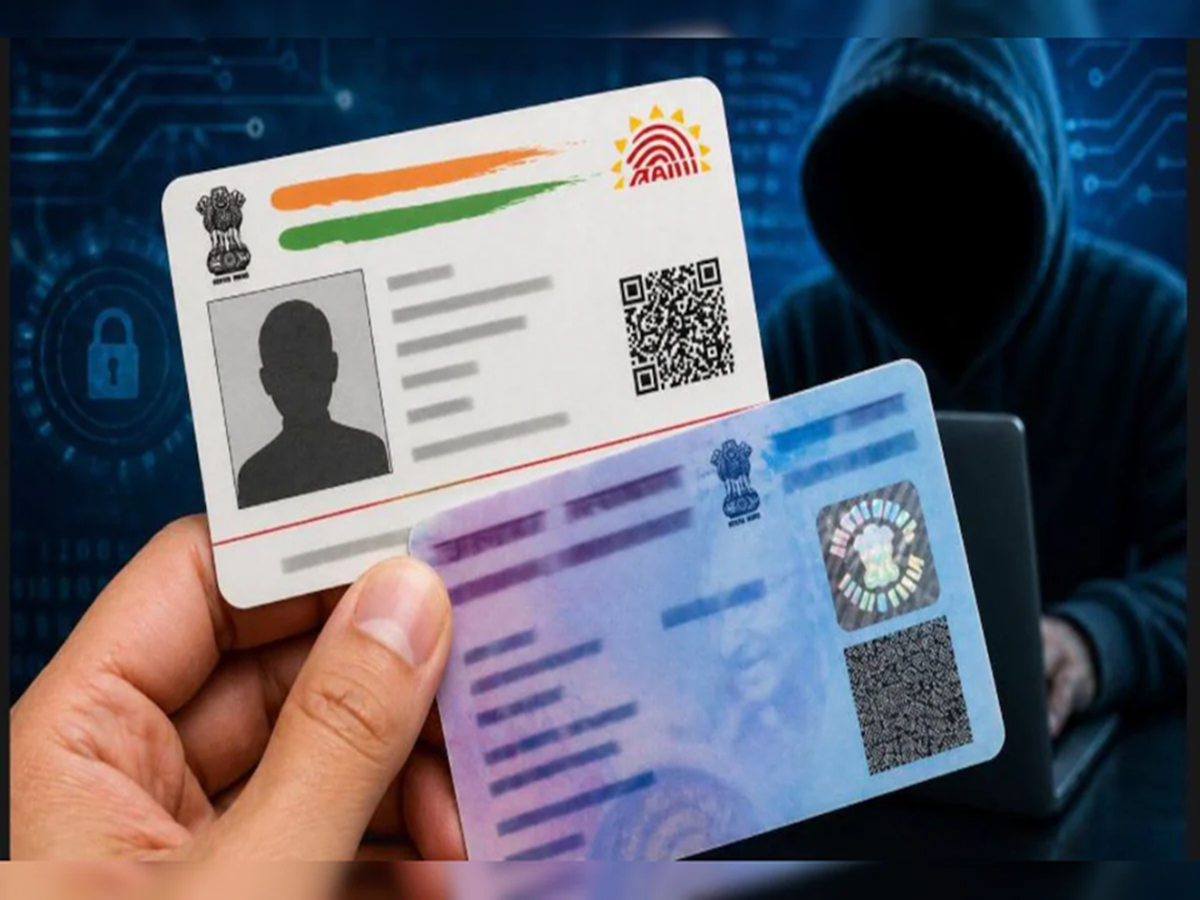
Whether you are applying for a loan, renting a property, or checking into a hotel, loan agents or property dealers often ask you to send documents like your PAN card, Aadhaar card, and bank statements via WhatsApp. At first glance, such a request seems perfectly normal. Without a second thought, you promptly send these crucial documents over WhatsApp, feeling relieved that the process has been made easy. However, are you aware that this minor oversight or act of carelessness could put your life's savings and personal privacy at serious risk?
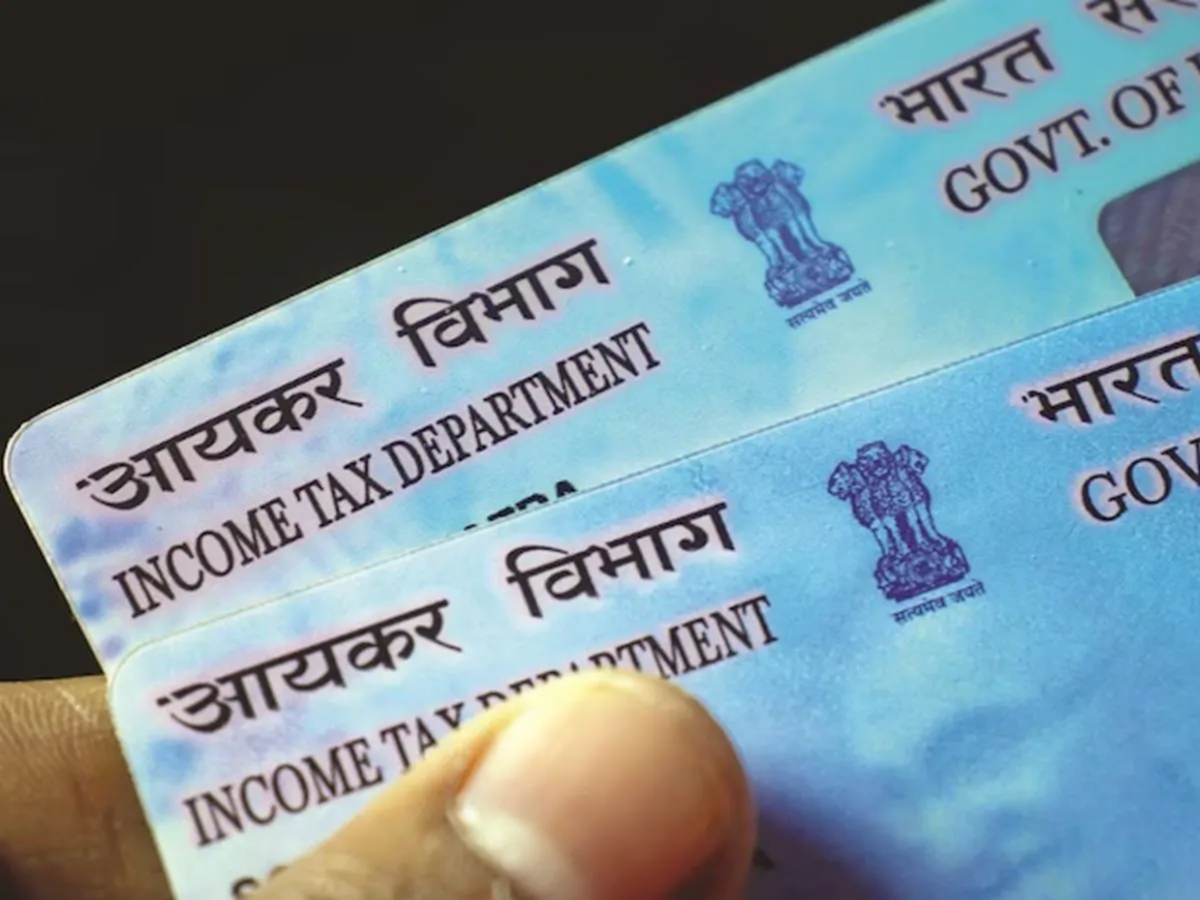
The Biggest Risk of Sending Documents via WhatsApp
When you send your PAN card, Aadhaar card, or bank statement via WhatsApp, the data does not remain confined to that specific chat. The recipient—whether an individual or an agent—downloads the files onto their personal phone, laptop, or computer. Furthermore, this data often automatically gets synced to their personal Google Drive or cloud backup. Abhinav Parashar, Co-founder and CEO of the digital trust platform 'Digio', says, "People think they are sending their documents to a lending company or a hotel, but in reality, they are sending them to an individual's personal device, thereby losing complete control over their data.
Even if you know the agent or dealer and are certain they aren't involved in a scam or fraud—or even if the person is completely honest—the risk remains. This is because your highly sensitive documents remain stored on their device for years. If their phone is hacked or their cloud account compromised later on, your personal data could fall directly into the hands of hackers."
**Data leak risk increases with agents' personal phones**
A vast network of Direct Selling Agents (DSAs) operates in the financial sector to sell loans and credit cards. The problem arises when these agents request your documents via their personal WhatsApp numbers instead of using the company's official systems.
Once this happens, your data moves outside the protection of the company's cybersecurity framework. Multiple copies of the same document end up on various devices. This data subsequently leads to spam calls, unsolicited messages, and—most dangerously—identity theft, where your identity is stolen to commit fraud.
According to the Reserve Bank of India's (RBI) 2024-25 report, 23,953 cases of banking fraud involving ₹36,014 crore were recorded in India.
**If not WhatsApp, what is the safe option?**
Providing documents to prove one's identity to banks, lending companies, or hotels is essential. However, the current method is unsafe and needs to change. Experts believe that instead of directly requesting documents, companies should adopt a 'selective verification' model.
Instead of asking for photos via WhatsApp, companies should use their official and secure digital portals... ...should be used. These systems perform automated checks and verify your identity via DigiLocker or UIDAI’s Offline Verification System (OVSE). This prevents your documents from being saved on someone else's personal phone.
**Emphasis on Data Security in DPDP**
India's new 'Digital Personal Data Protection' (DPDP) law also emphasizes that companies should collect your data only for a specific purpose and handle it responsibly. When you upload documents to a company's official portal, there is a clear record of who collected the data and why. However, once a PDF is sent via WhatsApp, you lose control over it.
**Follow These Safety Tips Before Sharing PAN or Aadhaar**
The next time someone asks for your PAN or Aadhaar via WhatsApp, ask them for the company's official form or a secure upload link instead.
If an organization uses DigiLocker or an official digital verification system, always opt for that method.
If you are compelled to send the document, password-protect the file and send the password in a separate message.
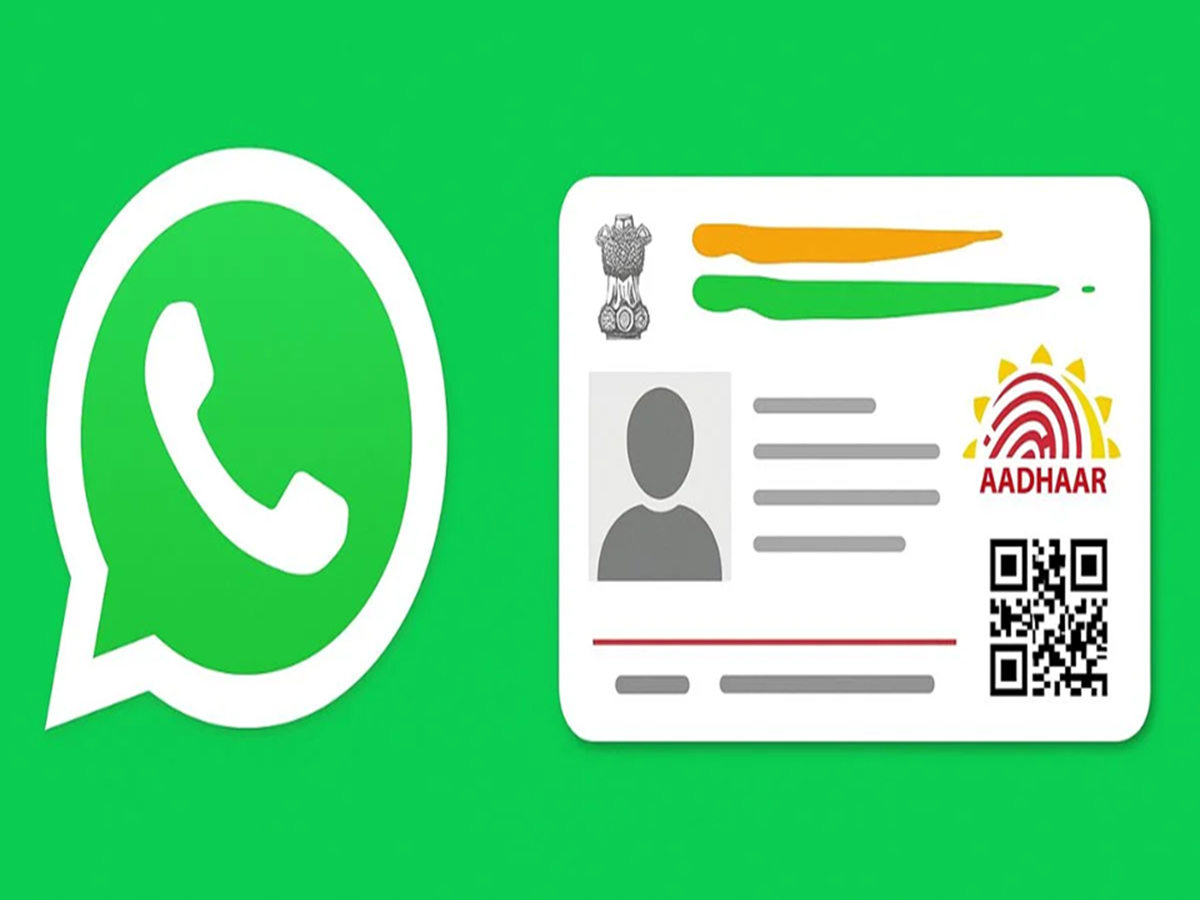
Remember, your PAN card, Aadhaar, and bank statements are not ordinary documents; they are essential for everything from banking to various financial and other critical tasks. Therefore, safeguarding them is equally important. If these documents fall into the wrong hands from your phone, your account could easily be drained, and you could land in serious trouble.
PC Social Media