
LIFESTYLE
Monsoon Eye Infections: Why do eye infections increase during the rainy season? Learn simple preventive measures..

Monsoon Eye Infections: People often focus on skin and stomach-related issues during the monsoon while neglecting eye care. The risk of eye infections rises during this season due to increased humidity and the proliferation of bacteria and viruses. Failure to take timely precautions can lead to symptoms such as redness, itching, burning sensations, watery eyes, and swelling.
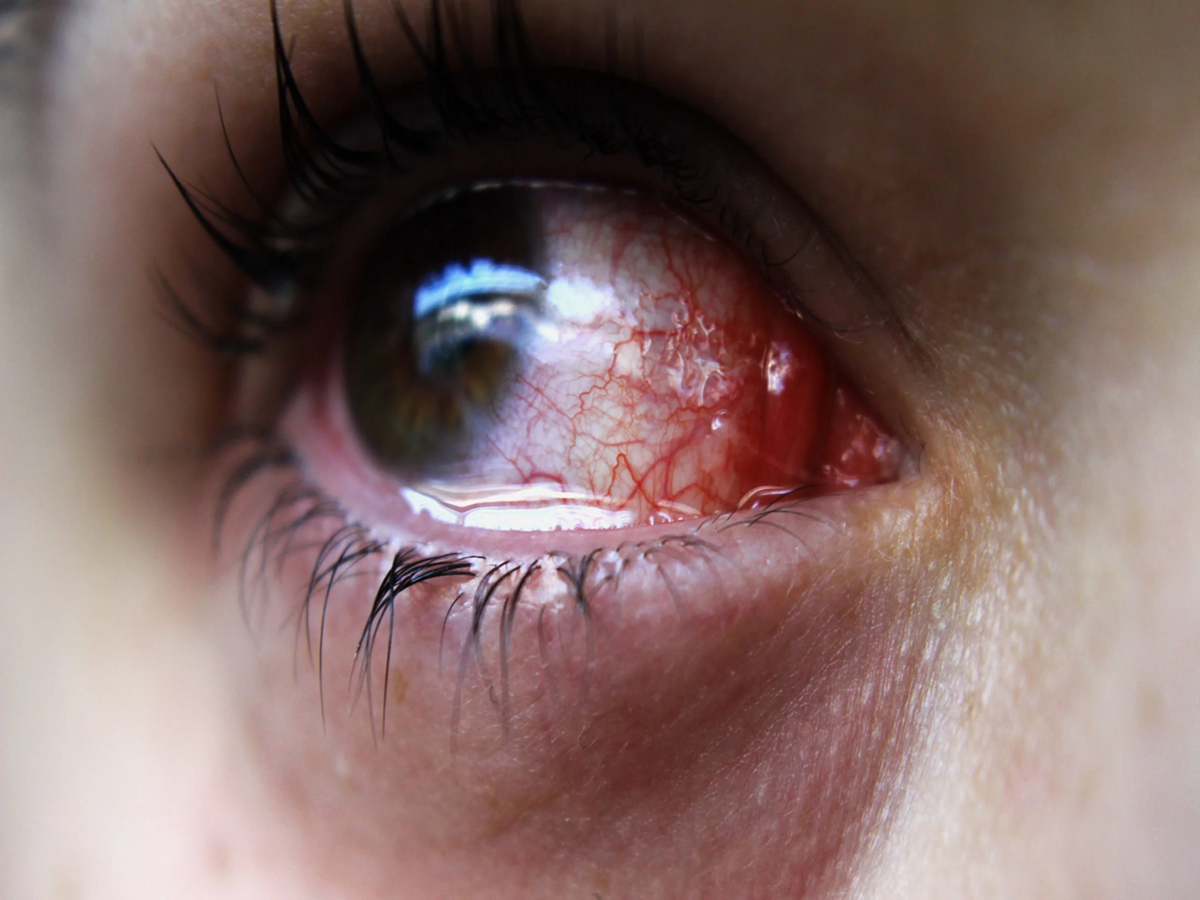
In this article, we explain why eye infections increase during the monsoon, what the common symptoms are, and simple measures you can adopt to keep your eyes healthy and safe.
Why do eye infections increase during the monsoon?
1. Increased impact of humidity and bacteria
Humidity levels rise during the rainy season, creating an environment where bacteria and viruses thrive. This is why cases of conjunctivitis (eye flu) and other eye infections spike during this time.
2. Touching eyes with unwashed hands
Frequently touching your eyes without washing your hands allows bacteria and viruses to easily reach the eyes, increasing the risk of infection.
3. Contact with contaminated water
Exposure to dirty rainwater or contaminated water can cause irritation, allergies, and infections. Therefore, you should wash your eyes with clean water after getting wet in the rain.
4. Improper use of contact lenses
Wearing contact lenses for extended periods or failing to clean them properly during the monsoon can heighten the risk of infection. Pay special attention to lens hygiene during this season.
5. Weak immunity
Individuals with a weak immune system are more susceptible to eye infections during the monsoon. Maintaining a balanced diet and getting adequate sleep is essential.
Common symptoms of eye infections
Redness of the eyes
Excessive watering
Itching and burning sensation
Swelling of the eyes
Sticky discharge
Sensitivity to light
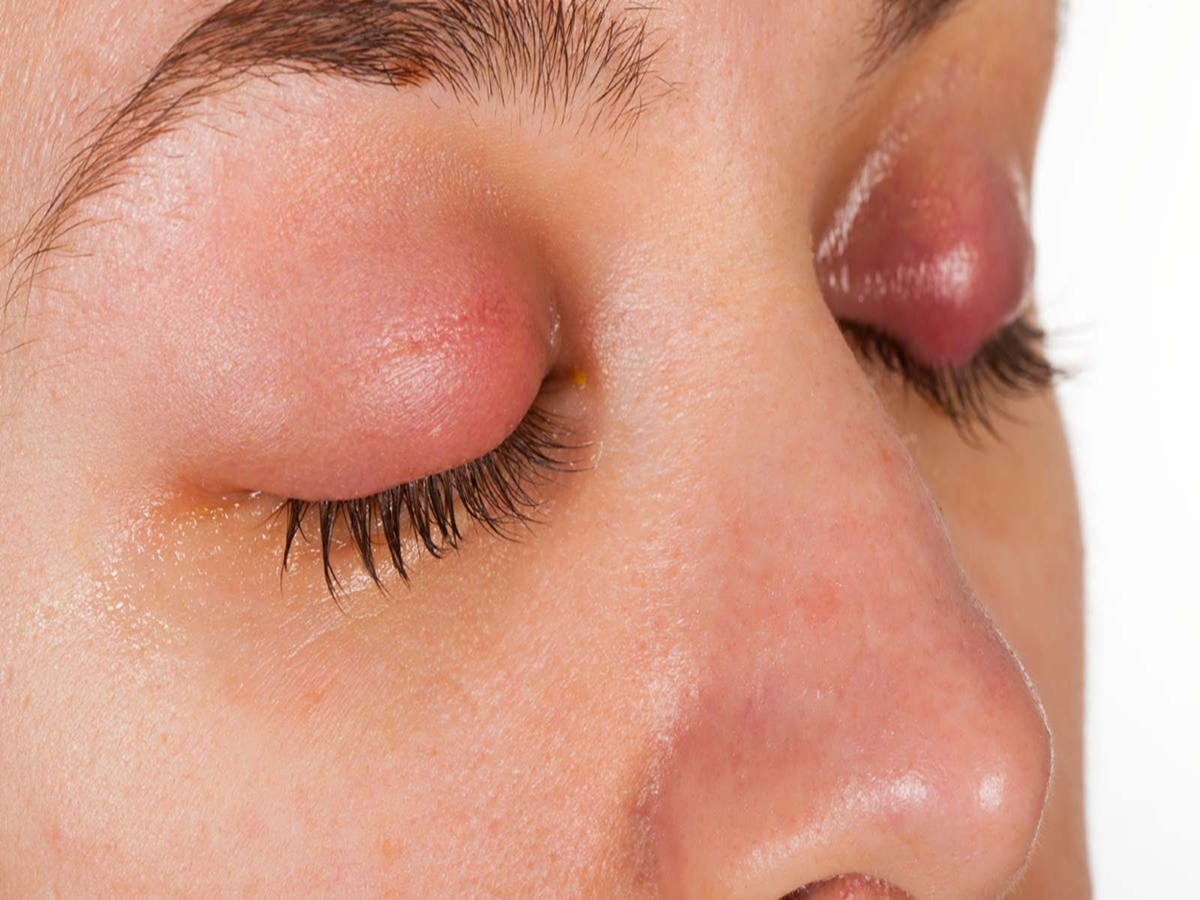
Tips to keep eyes safe during the monsoon
Always wash your hands with soap before touching your eyes. Do not share towels, handkerchiefs, or eye makeup with others.
If you experience itching, wash your eyes with clean water instead of rubbing them, and consult a doctor if necessary.
Clean your lenses regularly, and switch to wearing glasses for a few days if an infection occurs.
Consult an eye specialist instead of self-medicating if you have an eye infection.
PC Social Media