
LIFESTYLE
Diabetes Care: Diabetic patients should pay special attention to these points during the rainy season..
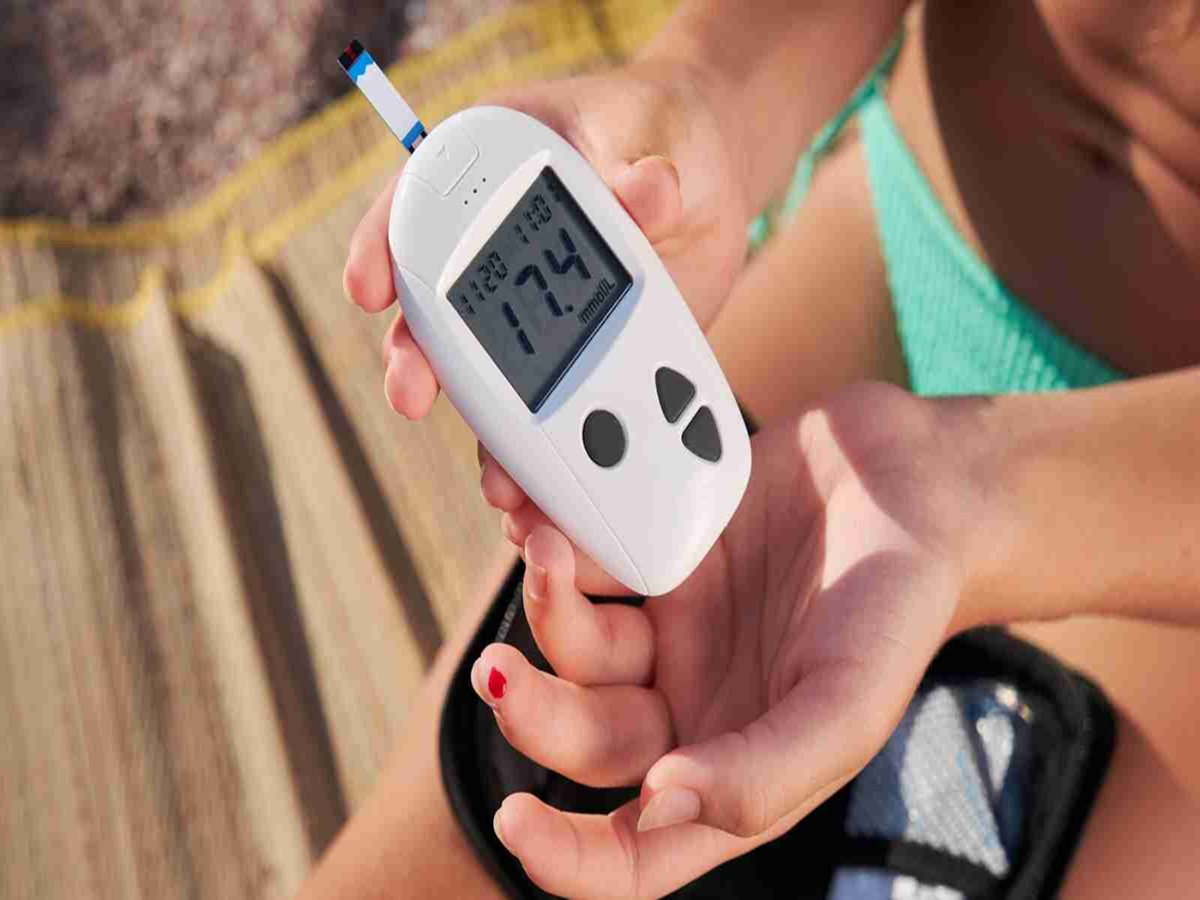
Managing Diabetes during Monsoon: The monsoon season presents several challenges for people with diabetes. Fluctuations in humidity and temperature during this time increase the risk of infections, which can affect blood sugar levels. Additionally, dietary habits and daily routines often get disrupted during the rainy season, making it difficult to keep diabetes under control.
Contaminated water, reduced physical activity, and a dip in immunity can further exacerbate these issues. Therefore, taking special precautions during this season is crucial. In this article, we will discuss what diabetic patients should keep in mind during the monsoon—including dietary choices, habits to avoid, and ways to effectively manage their health.
1. Monitor blood sugar regularly
Blood sugar levels can fluctuate during the monsoon due to infections and changes in daily routine. Therefore, diabetic patients should monitor their sugar levels regularly throughout the day or as advised by their doctor. This allows for the timely detection of any changes and helps prevent complications.
2. Consume clean and light meals
The digestive system can become sluggish during this season, so eating light and fresh food is essential. Homemade meals, boiled vegetables, lentils (dal), salads, and low-oil dishes are better options. Fried foods and street food can spike blood sugar levels and increase the risk of infection.
3. Protect against infections
Increased humidity during the rains raises the risk of fungal and bacterial infections. Since diabetic patients often have weaker immunity, these infections can become more severe. Therefore, pay special attention to hygiene, change out of wet clothes immediately, and keep your body dry.
4. Drink adequate water
People often drink less water during the monsoon, but keeping the body hydrated is vital. Drink clean, boiled, or filtered water. This helps flush out toxins from the body and maintain balanced blood sugar levels.
5. Take medications on time
Diabetic patients should never miss their medications. It is crucial to take the prescribed medications on time to keep blood sugar levels under control. Changing or stopping medication on your own can be dangerous.
6. Take special care of your feet
Diabetes increases the risk of developing foot wounds or infections. This risk is further heightened during the monsoon season. Therefore, inspect your feet daily, keep them clean and dry, and do not ignore any cuts or injuries.a