Parenting
Monsoon Care Tips: Never feed children these things during the rainy season, or their health could suffer..
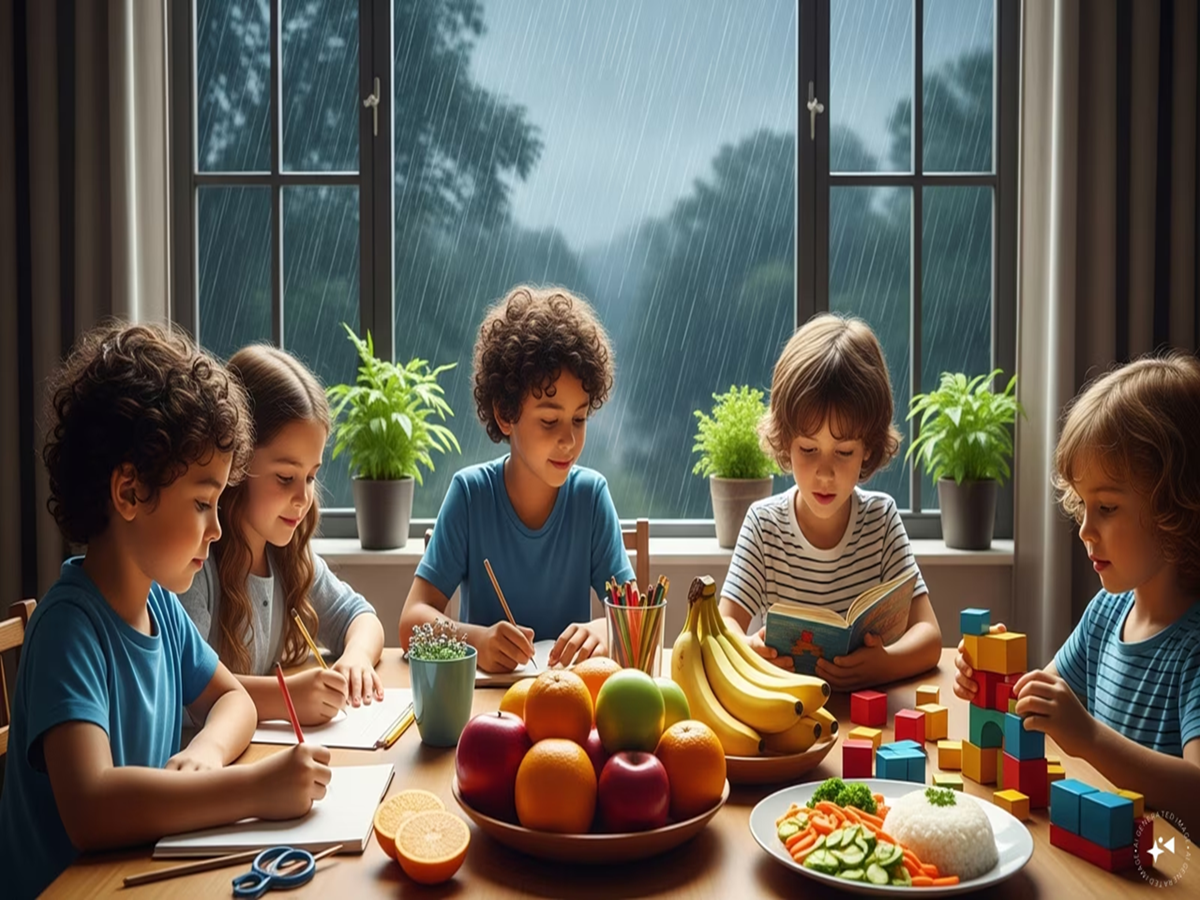
Kids' Diet During Monsoon: While the arrival of the rainy season brings pleasant weather, it is also a time that demands extra caution regarding children's health. Increased humidity in the air allows bacteria, viruses, and fungi to spread rapidly, affecting young children first. Parents often unknowingly feed their children foods that are harmless under normal circumstances but can cause food poisoning, upset stomachs, vomiting, diarrhea, and throat infections during the monsoon. If you want your child to stay healthy throughout the rainy season, paying special attention to their diet is essential.
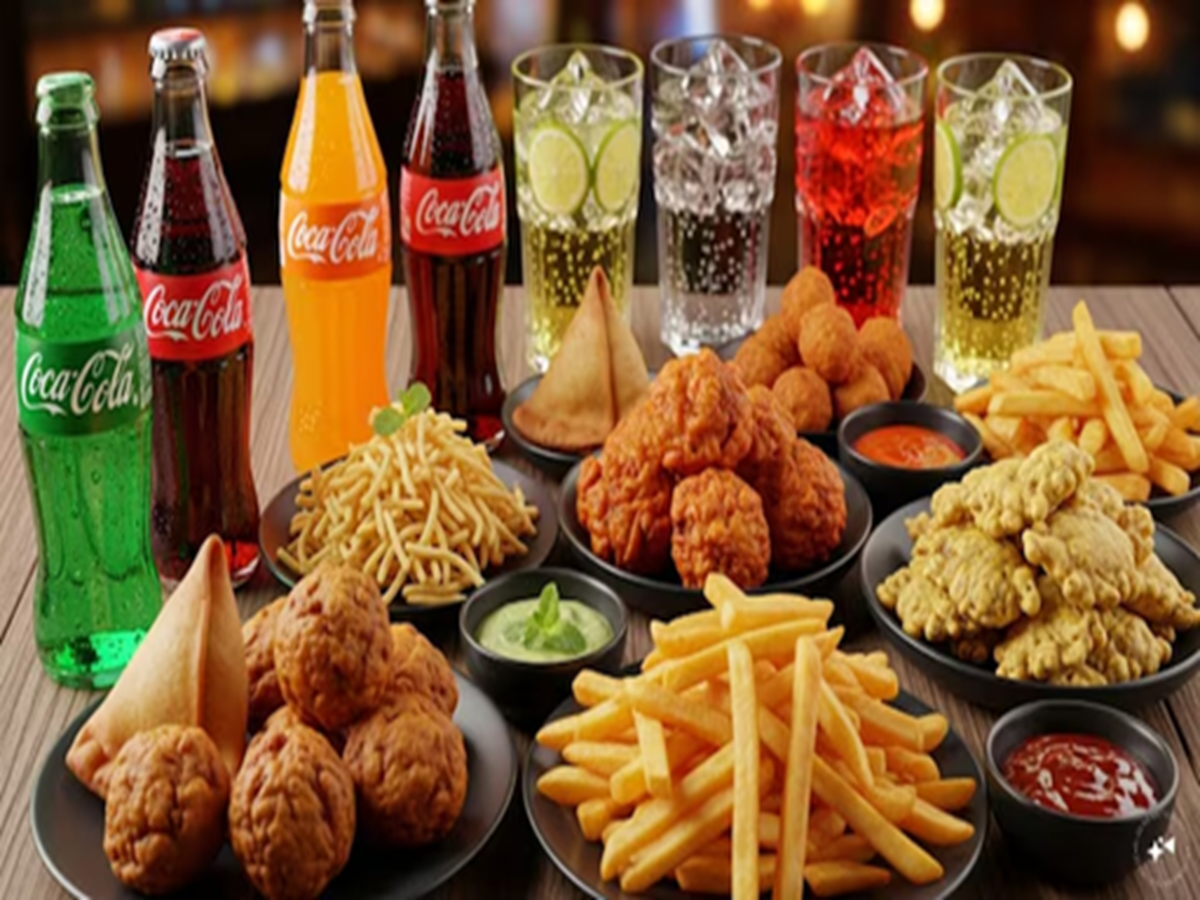
By taking a few simple precautions, you can protect children from various seasonal illnesses. Let’s look at what children should avoid during the monsoon and what foods are best to include in their meals.
Why should children's diets change during the rains?
Temperature and humidity levels rise during the monsoon, causing food and beverages to spoil quickly. Since children's immune systems are not fully developed, their bodies are more susceptible to infections. That is why, during this season, the quality and freshness of food are just as important as the taste.
Outside food can cause trouble
1. Stay away from street food
During the rainy season, roadside snacks like *chaat*, *golgappas*, *samosas*, *pakoras*, and other fried items are not considered safe for children. Often, the water or oil used to prepare them is unhygienic. Food kept uncovered can also get contaminated quickly. Consuming such food increases the risk of problems like food poisoning, stomach aches, and diarrhea. If your child insists on eating outside food, it is better to prepare their favorite dishes at home using hygienic methods.
2. Avoid serving stale food and pre-cut fruits
Fresh food is the safest option. If food prepared in the morning is left out until evening, or if pre-cut fruits are left exposed for a long time, bacteria can multiply rapidly in them. Such foods can directly affect children's digestion. During this season, try to ensure children receive freshly prepared meals. Serve fruits immediately after cutting to preserve their nutritional value and minimize the risk of infection.
3. Avoid cold drinks and chilled items
During the rainy season, children often crave ice cream, cold drinks, and chilled juices; however, consuming very cold items can increase the risk of throat infections, colds, and coughs. Additionally, the high sugar content in soft drinks offers no significant nutritional value. Better alternatives include lukewarm soup, fresh coconut water, lemonade, or plenty of clean water.
4. Avoid excessive fried and spicy foods
Digestion can be compromised during the monsoon, as the body's digestive capacity may be slightly weaker than usual. Consuming highly spicy, oily, or heavy foods can lead to issues like gas, indigestion, stomach pain, and vomiting in children. Light lentils (dal), fresh vegetables, *khichdi*, curd (provided it suits the child and a doctor hasn't advised against it), and balanced homemade meals are considered more beneficial.
5. Thoroughly clean leafy vegetables before serving
During the rainy season, leafy vegetables like spinach, fenugreek (*methi*), and coriander can harbor soil, insects, and microorganisms. Therefore, they should be washed multiple times with clean water and cooked thoroughly before being served to children. Failure to maintain proper hygiene can increase the risk of gastrointestinal problems.
Small habits make a big difference.
Serving the right food isn't enough on its own. Instill the habit of washing hands with soap before meals and after returning from outdoors. Keep their water bottles clean and ensure they drink only boiled or filtered water. In many families, children play outdoors every day once the rains begin. Changing clothes and washing their hands and feet upon returning home helps protect them from infections.
The rainy season calls for both enjoyment and extra caution regarding children. The risk of seasonal illnesses can be significantly reduced by ensuring their diet consists of fresh, nutritious, and clean food while avoiding outside food, stale meals, cold drinks, and excessive fried items. A little vigilance can play a major role in keeping children healthy and energetic throughout the monsoon.
PC Social Media