Several states across the country, including the capital region of Delhi-NCR, are currently grappling with Swine Flu (H1N1). Recent reports indicate that over 2,700 cases of the infection have been recorded in Delhi-NCR alone. Infections have also been confirmed in various other parts of the country, including Rajasthan, Uttar Pradesh, and Madhya Pradesh, suggesting the disease is spreading rapidly.

Health experts note that while H1N1 typically does not cause severe illness, it can pose a heightened risk to young children, the elderly, and individuals with compromised immunity. In severe cases, Swine Flu can affect the lungs, heart, and even the eyes.
On August 25, Rajiv Bahl, Director-General of the Indian Council of Medical Research (ICMR), stated that approximately 98% of the Influenza-A cases currently being reported in India are likely caused by the H1N1 strain. The rapid spread of this infection has raised concerns among the public about whether Swine Flu could trigger another pandemic similar to COVID-19.
**Caused a Pandemic in 2009**
It is worth noting that H1N1 has previously caused a pandemic in the country; a severe outbreak occurred in 2009.
Much like COVID-19, this infection presents with symptoms such as fever, cold, and respiratory difficulties. Health experts are advising people to adopt the same preventive measures used during the COVID-19 pandemic to protect themselves against Swine Flu. Naturally, this has sparked fears among the public regarding the possibility of another pandemic.
Senior physician Dr. Ravi Godse states that H1N1 is not a novel virus like COVID-19; we have successfully combated and defeated it in the past.
There are no new mutations associated with the virus that should cause alarm.
We already possess a vaccine and the first-line medication, Oseltamivir, to treat it. The possibility of this leading to an epidemic is remote; there is no need to even worry about that.
**Effective medication for H1N1 is available**
Dr. Ravi Godse states that in most people, H1N1 resolves on its own. However, some individuals may face a risk of developing pneumonia or requiring hospitalization. This risk is higher among children, the elderly, and those with pre-existing medical conditions.
In most cases, taking Oseltamivir within 48 hours of infection can significantly reduce the severity of the illness.
It can protect you against pneumonia and lower the risk of the virus spreading.
In the US, if someone contracts H1N1, doctors often prescribe this medication to close family members, assuming they might also be at risk of infection.
However, the situation in India is different; here, doctors prescribe the medication based on individual need.
**What precautions should be taken now? Is the vaccine necessary?**
Health experts state that, currently, the easiest way to prevent swine flu is by getting the flu vaccine. You can get vaccinated upon your doctor's advice. It can help prevent the infection from becoming severe if you do contract it.

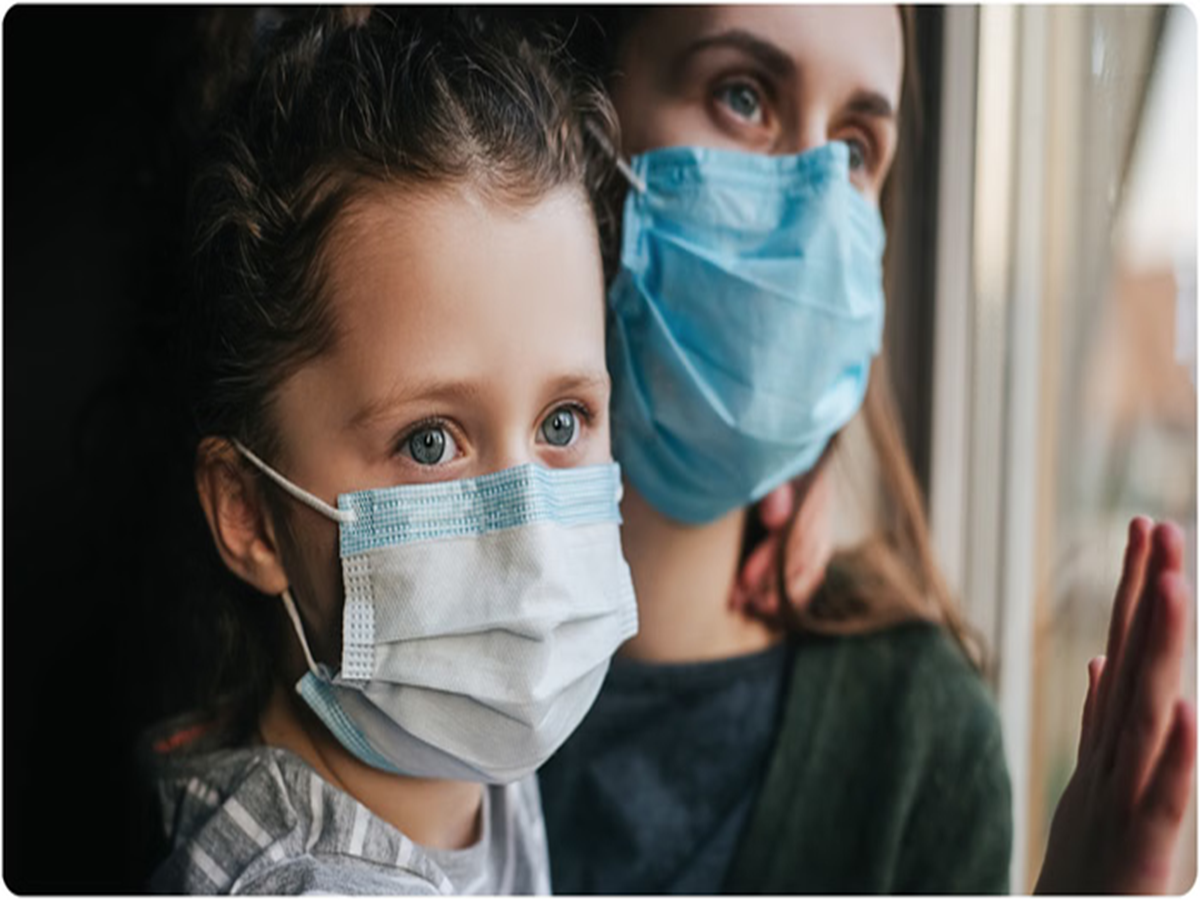
Covering your mouth and nose when coughing or sneezing, maintaining hand hygiene, keeping a distance from others when ill, and wearing a mask in crowded places can significantly help reduce the risk of infection.
It is essential to consult a doctor if elderly, pregnant women, young children, or individuals with pre-existing health conditions exhibit severe flu symptoms.
PC Social Media