
LIFESTYLE
Here’s the formula to get a window seat on the train! Most people are likely unaware of this railway rule..
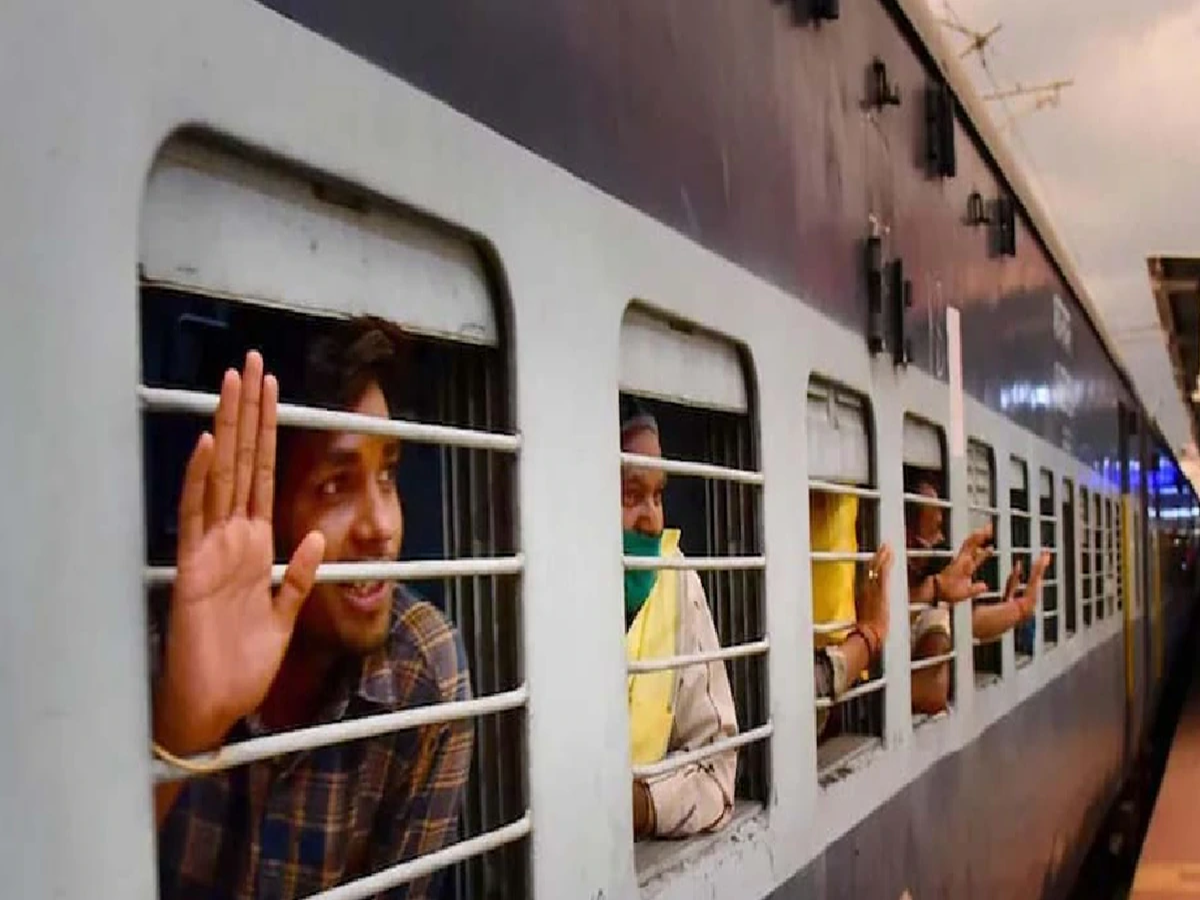
The rhythmic chugging of the train, the cool breeze brushing against your face, and beautiful landscapes receding into the distance outside the window—the true thrill of a train journey lies in sitting in that 'window seat.' Whether the journey is short or long, every passenger hopes to snag a window seat. Often, we feel that landing this seat is akin to winning the lottery.
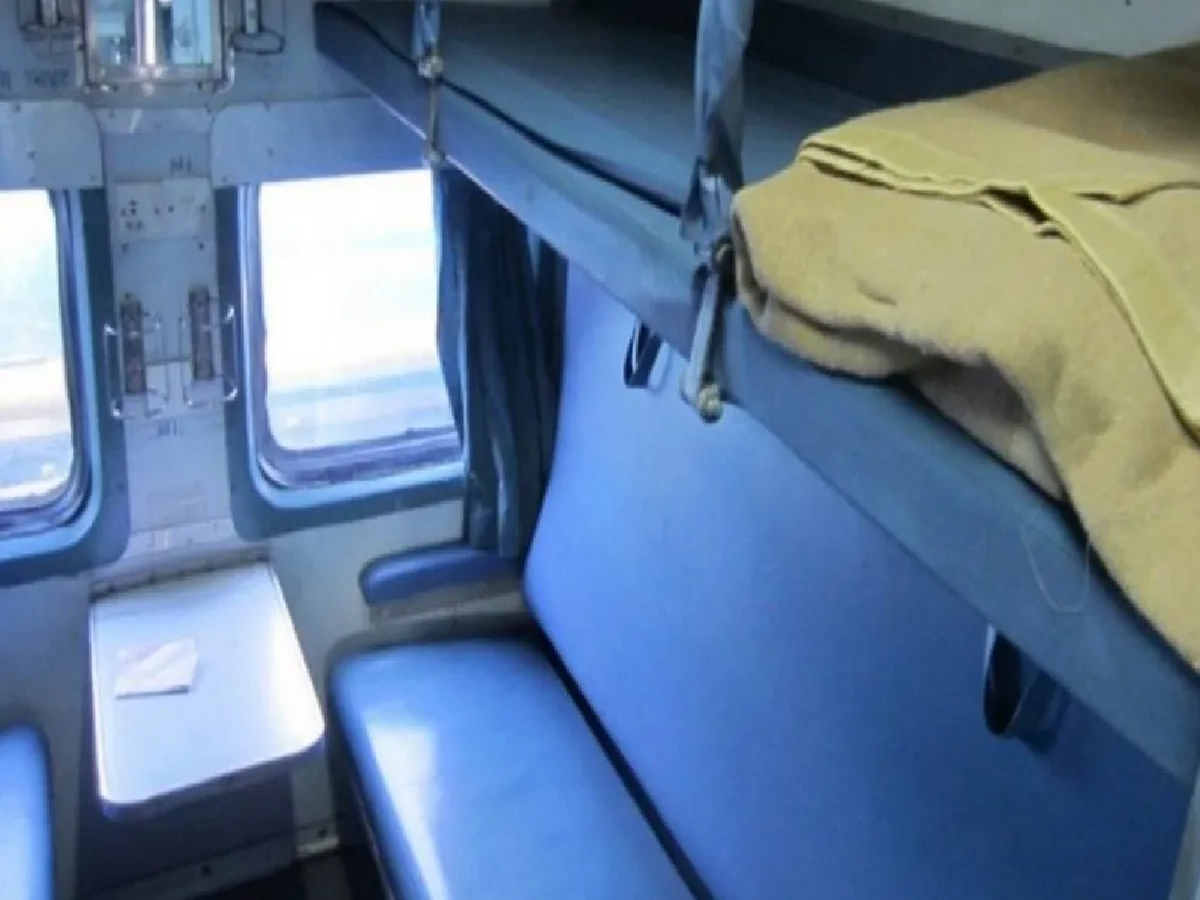
However, does getting a window seat depend solely on luck, or is there a concrete Indian Railways rule governing it? If you travel by train frequently, it is time to clear up this mystery. Let us explain what the railway rules actually say about your preferred window seat.
Who has the right to the window seat in Sleeper and AC coaches?
If you are traveling in a 'Chair Car,' there is no issue; your ticket clearly indicates whether or not you have a window seat.
The real confusion arises in Sleeper and AC coaches, as the ticket does not specify window seat details. Railway rules state that the passenger allotted the 'lower berth' has the primary right to the window-side space. However, during the day, passengers often share the space through mutual understanding and enjoy the journey together.
Who is entitled to the lower berth according to Railway rules?
The question remains: if the lower berth holder gets the window seat, who exactly is allotted this lower seat? Keeping passenger convenience in mind, the Railways have reserved this seat for specific categories of people:
Elderly Men: Senior citizens aged 60 years or older are given the highest priority for lower berths.
Women: A lower berth quota is also designated for female passengers aged 45 years or older. Passengers with Disabilities: To ensure that physically challenged passengers or those with disabilities do not face difficulties during their journey, they are easily allotted lower berths.
Timing is Crucial for Middle Berth Passengers
Arguments on trains most frequently occur between passengers holding middle and lower berths. To resolve this conflict, the Railways has established a specific timetable:
Time to Deploy the Seat: If you hold a middle berth ticket, you may only lower the seat to sleep between 10:00 PM and 6:00 AM.
Requirement to Inform: Before lowering your middle berth, you must inform the passenger seated below you at least three times.
6:00 AM Alert: You must fold back your middle berth by 6:00 AM without fail. Failure to do so allows the lower berth passenger to summon the TTE and lodge a complaint against you.

'No Disturbance' After 10:00 PM
If you are wondering about the usage of the lower berth during the day, note that it is intended only for sitting while traveling. The rules change at 10:00 PM; the period from 10:00 PM to 6:00 AM is designated for undisturbed sleep. Notably, even the TTE cannot disturb you to check tickets during this rest period. Therefore, keep these rules in mind whenever you embark on a journey.
PC Social Media